Newsletter Subscribe
Enter your email address below and subscribe to our newsletter
[forminator_form id="25163"]

All voices matter
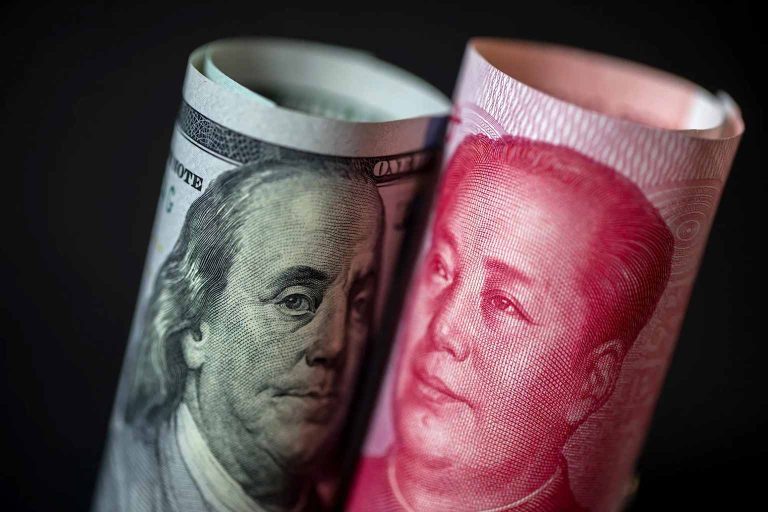
beincryptobeincrypto+1beincryptoGlobal bond yields have climbed to their highest since the 2008 financial crisis, placing Bitcoin in an environment of elevated borrowing costs it has never experienced. The cryptocurrency has fallen 46% over the past year while gold has risen 32%, as investors redirect capital toward risk-free assets now offering returns above inflation.
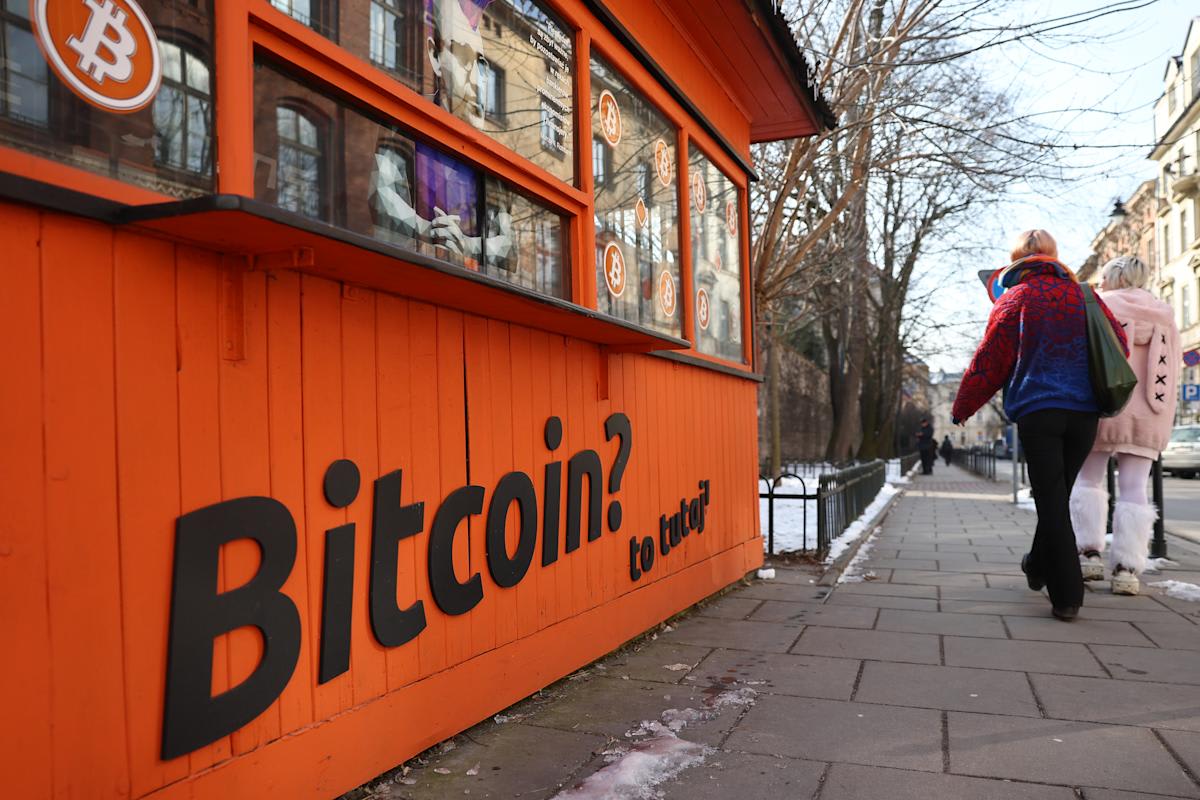
Bitcoin's whitepaper was published in October 2008, and Satoshi Nakamoto mined the genesis block on January 3, 2009, embedding the headline: "Chancellor on brink of second bailout for banks." The asset was conceived as a response to government fiscal failure. Now, with fiscal conditions strained again, it is falling rather than rallying.beincrypto
The pressure is global. UK 10-year gilt yields stand at 5.05%, the highest among major markets. Germany's 10-year yield has risen to 3.21%, a high since 2011. Japan's yield has reached 2.88% after decades pinned near zero. The Bloomberg Global Treasury Index average yield has climbed to 3.68%, its highest since the global financial crisis.finance.yahoo+1
Barclays strategist Patrick Coffey described the move as "a broader repricing of duration driven by fiscal realities, persistent inflation risks and some political uncertainty," according to Bloomberg.beincrypto
On August 13, the U.S. Treasury auctioned $25 billion of 30-year bonds at a winning yield of 5.216%, the highest since 2001. Demand was soft: bids covered the auction just 2.39 times against a 2.43 historical average, and dealers absorbed 11.6% of the issuance, above the usual 10.6%.moomoo+2
The U.S. 10-year real yield reached 2.41% on August 14, up from 1.77% two years earlier. For an asset that generates no cash flow, that gap is punishing. Investors can now outpace inflation holding government debt at near-zero risk.beincrypto
Bitcoin traded near $63,000 with a market capitalization of roughly $1.27 trillion. Gold, by contrast, traded near $4,376 after its 32% annual gain. Japanese and European investors can now earn substantial returns domestically, shrinking the global pool of risk capital that cryptocurrencies depend on.moomoo+1
The outcome hinges on what is driving yields higher. If growth expectations are the cause, elevated rates will continue to suppress Bitcoin. If doubt over government solvency is the driver, scarce assets should benefit — and gold has already captured that trade.beincrypto
Until auction demand for long-dated government bonds strengthens, the pressure on Bitcoin is unlikely to ease. The asset was designed for a fiscal crisis. It has never had to prove that thesis at these yield levels.beincrypto