Newsletter Subscribe
Enter your email address below and subscribe to our newsletter
[forminator_form id="25163"]

All voices matter

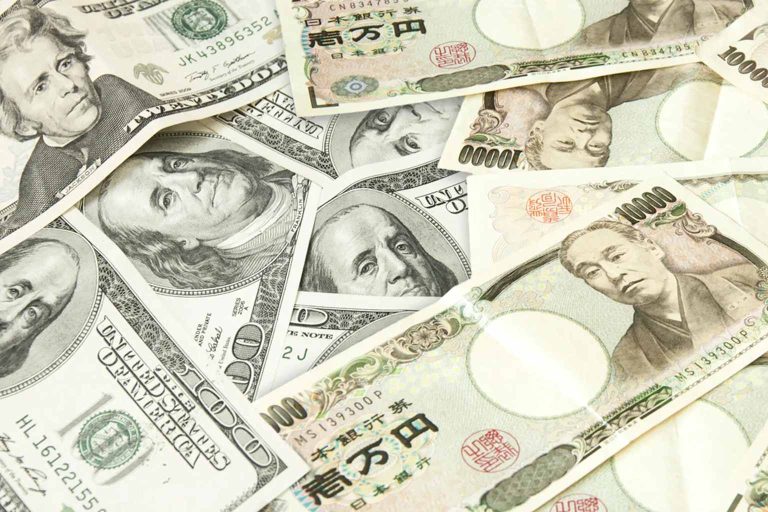
wsjinteractivecryptointeractivecrypto+1Asian currencies strengthened against the US dollar on August 17, 2026, as market expectations for a Federal Reserve rate hike in September faded following a string of weaker-than-expected US economic data.
The yen, won, baht, Singapore dollar, yuan, and ringgit all posted gains as traders reassessed the likelihood of further monetary tightening by the Fed. According to the Wall Street Journal News Corp , OCBC Group Research analysts noted that "markets are currently pricing in only a 30% chance of a Fed increase next month, a decrease from approximately 55% prior to the July U.S. jobs report."wsj
The shift in sentiment follows a series of disappointing US data releases. The July nonfarm payrolls report showed an unexpected decline of 23,000 jobs, sharply missing the consensus forecast of an 83,000 increase. The Consumer Price Index for July showed year-over-year inflation of 3.4%, marking the second consecutive month of deceleration, while the Producer Price Index came in flat.interactivecrypto
The US dollar dipped 0.1% to 159.08 yen, while the Australian dollar rose 0.1% to US$0.7089, according to LSEG data.wsj
The repricing of Fed expectations has rippled across asset classes. Gold held firm near $4,376 per ounce on August 16, supported by the fading rate hike odds, geopolitical tensions in West Asia, and record central bank purchases of 288.9 tonnes in the second quarter of 2026.interactivecrypto
The CME FedWatch tool showed the probability of a September rate increase dropping from around 50% to 31% over the past week. OCBC analysts cautioned, however, that "the Fed will receive additional CPI and employment data ahead of its September meeting," leaving the door open for a policy shift if conditions change.wsj+1
Investors are watching upcoming US inflation and employment releases for further signals on the Fed's trajectory. The yen's recent rally, aided by joint US-Japan foreign exchange interventions, may have positive spillover effects on other regional currencies. Any renewed signs of economic weakness could further reduce rate hike expectations, while unexpected strength in upcoming data could quickly reverse the current trend.cryptobriefing