Newsletter Subscribe
Enter your email address below and subscribe to our newsletter
[forminator_form id="25163"]

All voices matter

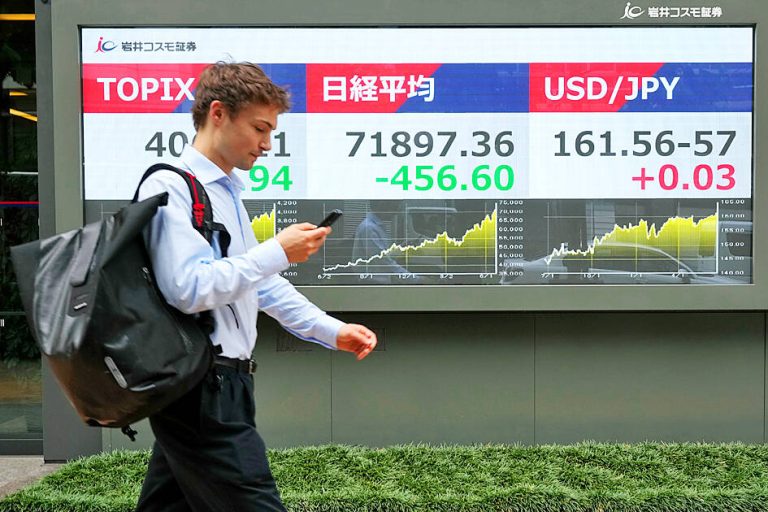
japantimes+1reuters+1youtube+1The U.S. dollar closed the week ending July 25 with its strongest performance in over a month, buoyed by rising Treasury yields and escalating geopolitical tensions, while the Japanese yen sank to levels not seen since late 1986.
The yen hit a fresh 40-year low of 163.99 per dollar on Thursday before settling around 163.79 by Friday's close, according to Reuters. The move marked the yen's worst weekly performance since May, when the currency weakened in the aftermath of Japan's record intervention.japantimes+1
The USD/JPY pair rose nearly 0.9% over the week, driven by a spike in oil prices from renewed U.S.-Iran hostilities and a surge in U.S. Treasury yields, with the benchmark 10-year yield climbing above 4.7% to an 18-month high. The Japan Times reported that the currency is now approaching the closely watched 165-per-dollar level, a threshold that could force Tokyo's hand on intervention.reuters+1
The Bank of Japan is widely expected to hold rates steady at its policy meeting this coming week, though Bloomberg News reported earlier that BOJ officials were open to raising rates at a faster pace than consensus among economists.reuters+1
The dollar index held at 101.47 on Friday, representing a weekly gain after several weeks of declines. The greenback's advance was underpinned by inflation fears stoked by Brent crude touching a six-week peak of $91.99 a barrel earlier in the week and renewed trade tensions raising the stakes for price pressures.youtube+2
The U.S. Treasury Department on Thursday warned against excessive yen volatility and called for further interest rate hikes by the Bank of Japan, an unusual intervention in Japanese monetary policy that underscored Washington's concern about currency misalignment.reuters
Markets now turn to the Federal Reserve's policy meeting next week, with the central bank widely expected to hold rates steady. The probability of a July hike had fallen to about 10% after softer-than-expected inflation data earlier in the month, though the subsequent rise in oil prices and Treasury yields has kept traders cautious about the medium-term rate outlook.ssga+1
The euro traded around $1.1412 against the dollar, while sterling remained near $1.33. Analysts at State Street noted that while the inflation reprieve removed urgency for Fed rate hikes, renewed energy price risks from the Middle East conflict could complicate the picture.reuters+1