Newsletter Subscribe
Enter your email address below and subscribe to our newsletter
[forminator_form id="25163"]

All voices matter
vtmarkets+1vtmarketsarabnewsWest Texas Intermediate crude oil held near a three-week high at the close of trading on Friday, August 21, as geopolitical supply risks continued to outweigh bearish inventory data from the United States. WTI futures settled at $87.06 per barrel after touching $87.51 intraday, according to market data, supported by persistent tensions surrounding the Strait of Hormuz and broader Middle East shipping disruptions.vtmarkets
The rally came despite an unexpected build in US crude inventories. EIA data showed stockpiles rose by 4.4 million barrels for the week ending August 14, compared with expectations for a 600,000-barrel decline. The build followed a massive 17.4-million-barrel increase the prior week, bringing the two-week accumulation to more than 21 million barrels even as US production hovered near a record 13.5 million barrels per day.vtmarkets
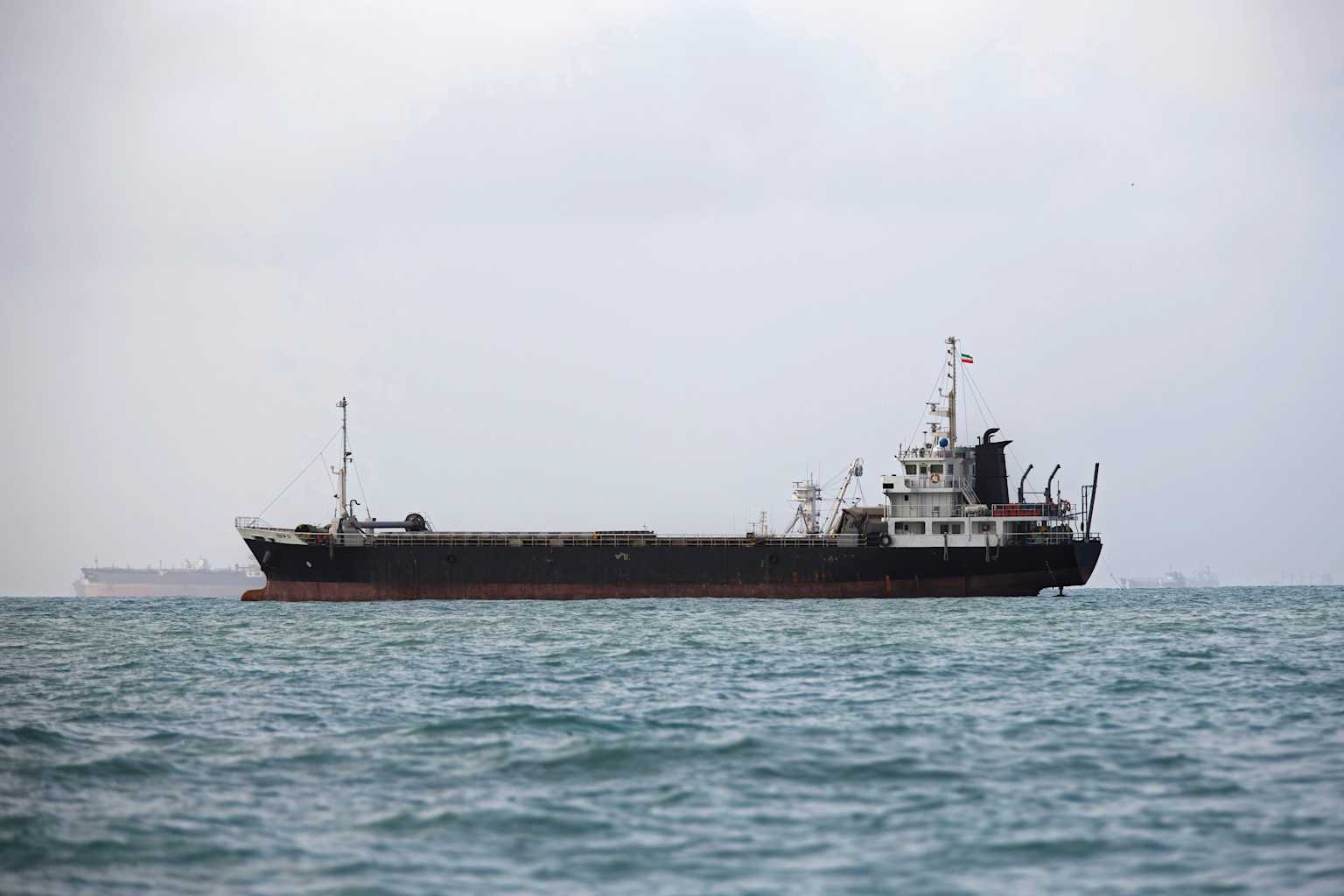
Traders largely dismissed the bearish signal, focusing instead on shipping disruptions tied to the US-Iran standoff over the Strait of Hormuz, which normally carries roughly one-fifth of the world's oil supply. Reuters reported earlier in the week that crude prices settled at their highest in nearly four weeks as the UAE suspended financial and economic transactions with Iran and ship traffic through the strait remained limited. Yemen's Houthi group has also claimed to have targeted Saudi oil tankers since late July, keeping a risk premium embedded in Red Sea trade routes.reuters+2
Against this backdrop, Saudi Arabia's Petroline has emerged as a critical piece of energy infrastructure. Arab News reported on Friday that the nearly 1,200-kilometer East-West pipeline had been ramped to its maximum capacity of 7 million barrels per day during the first quarter of 2026 to support exports via the Red Sea port of Yanbu.arabnews
Reuters first reported in July that Saudi Arabia is considering expanding the Petroline's capacity by up to 2 million barrels per day, with preliminary talks involving Kuwait, Bahrain, and Qatar. Aramco CEO Amin H. Nasser said during the company's first-half earnings call on August 4 that the firm maintained business continuity during Hormuz disruptions by relying on "diverse asset base and multi-decade planning, including strategic infrastructure such as the East-West Pipeline, storage capacity, and export terminals".reuters+1
The tension between fear-driven price premiums and growing domestic supply is expected to keep WTI volatile. OPEC+ retains a production buffer exceeding 4 million barrels per day that could be deployed if supply lines are severed, while the Cboe Crude Oil Volatility Index historically jumps 15 to 30 percent during Middle East transit disruptions. Traders now await further diplomatic developments around the Strait of Hormuz, where Iran has issued a long list of demands before allowing ships to move freely.nytimes+1