Newsletter Subscribe
Enter your email address below and subscribe to our newsletter
[forminator_form id="25163"]

All voices matter
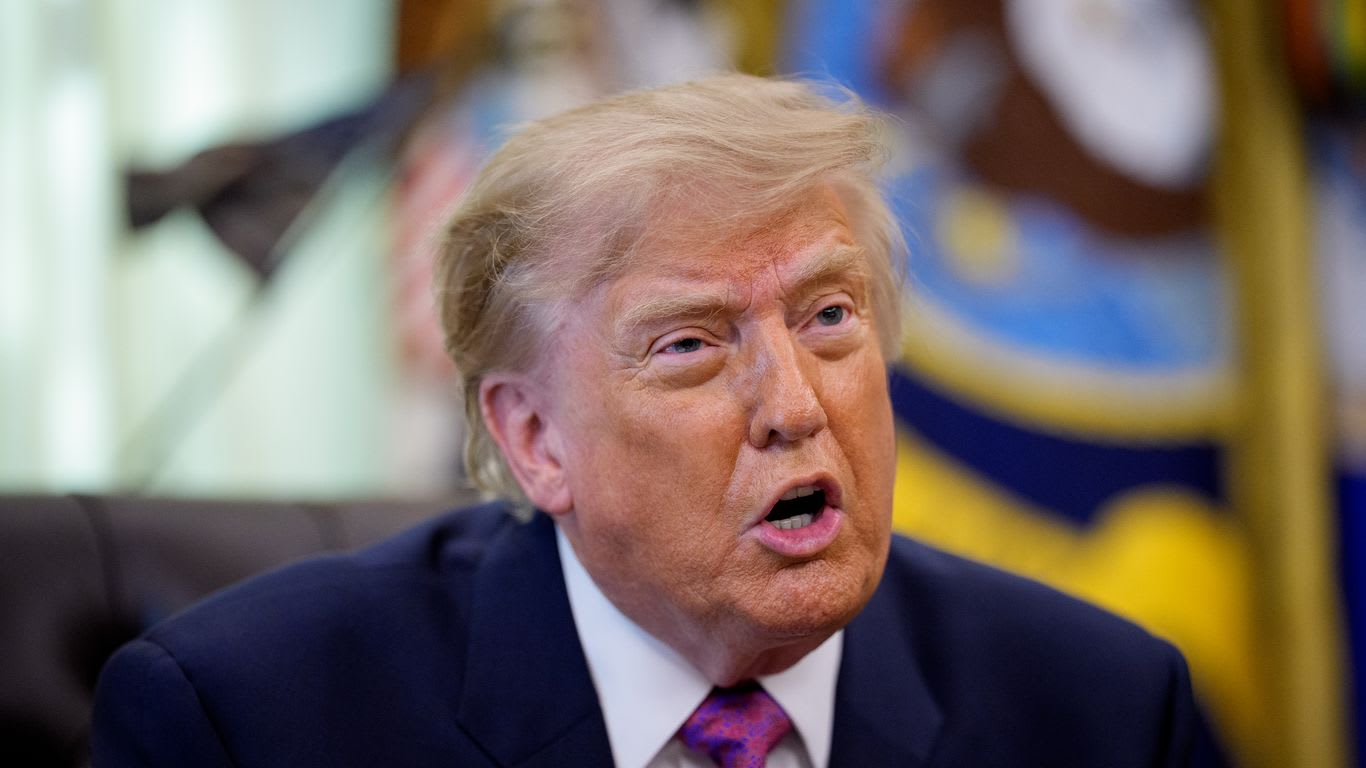
axios+1axios+1axios+1The United States military struck two Iranian government oil tankers on Tuesday as part of a broader wave of attacks targeting approximately 100 Iranian military installations, marking a shift in Washington's approach to the Strait of Hormuz conflict. U.S. officials said President Trump approved the new "tanker for tanker" policy, under which the military will strike an Iranian oil tanker for every Iranian attack on commercial shipping in the strait.axios+1
U.S. drones launched missiles into the engine rooms of the two Iranian tankers, which were anchored off Iran's coast north of the U.S. naval blockade line, disabling them without sinking them in what officials described as a deliberately calibrated action. The broader strike package hit Islamic Revolutionary Guard Corps air defense sites, radar systems, mine-laying capabilities, communications infrastructure, anti-ship cruise missile launchers, and attack drone launchers, according to Axios, which first reported the new policy.kurdistan24+1
A U.S. official told Axios the strikes degraded Iran's offensive capabilities in the strait and "bought at least a month" of reduced threat levels for commercial shipping. Another official characterized the approach as an effort to "mow the lawn" — reducing the risk of Iranian attacks on oil tankers, Navy ships, and Air Force aircraft without committing to a broader military campaign.axios+1
Tehran responded with a volley of ballistic missiles and drones targeting U.S. positions across the region. Iran fired roughly 25 ballistic missiles, but only about half reached Jordanian airspace; ten were intercepted and three landed without causing casualties. Iran also launched drones at U.S. bases in Bahrain, Kuwait, and the Kurdistan Region of Iraq, most of which were intercepted, U.S. officials said.jpost+1
Even amid the exchanges, U.S. forces continued escorting commercial vessels through the strait. Officials said around 40 ships transited on Tuesday carrying millions of barrels of oil, with American forces intercepting several anti-ship missiles and drones the IRGC fired at the convoy.axios+1
The strikes produced an immediate dispute over civilian harm. Iranian media reported that a U.S. strike hit a wedding ceremony in the town of Kuhestak, killing at least four people — including one child — and injuring more than 50, according to Benzinga, citing local officials and the Iranian Red Crescent Society. CENTCOM spokesman Capt. Tim Hawkins responded: "We're aware of the reports, which originated from Iranian state media. The U.S. military never targets civilians, unlike the IRGC."axios+1
The IRGC warned Arab nations hosting U.S. forces to expel them or face a "crushing" response, widening the scope of Tehran's threats beyond the strait itself. A U.S. official offered a blunt assessment of the day's events: "The Iranians have not only lost control of the Strait of Hormuz, they have also lost control over the conflict."jpost+1