Newsletter Subscribe
Enter your email address below and subscribe to our newsletter
[forminator_form id="25163"]

All voices matter

aljazeera+1theedgemarkets+1devdiscourseThe United States military launched a fresh wave of strikes against Islamic Revolutionary Guard Corps targets in Iran on Tuesday, marking the second round of attacks in two days as the six-month-old conflict between Washington and Tehran intensified over control of the Strait of Hormuz.
U.S. Central Command announced the operation in a post on X, stating that "U.S. forces began striking Islamic Revolutionary Guard Corps (IRGC) targets in Iran" at noon ET, citing "recent attempted attacks by the IRGC against commercial shipping in the Strait of Hormuz and against American service members deployed to the region."aljazeera+2
Explosions were reported across southern Iran, including in the port city of Bandar Abbas, on Qeshm Island, and in Chabahar, according to Iranian state-linked media outlets Nour News and Tasnim. The strikes came hours after two oil supertankers attempting to exit the strait were hit by projectiles, according to maritime security consultant Marisks.theedgemarkets+2
Tuesday's operation followed a rapid escalation that began Sunday when U.S. forces struck Iranian rocket launchers on Larak Island, which Washington said were being prepared to deploy sea mines into the strait. Iran retaliated overnight with missile and drone attacks targeting U.S. air bases in Jordan, including Muwaffaq Salti Air Base, which hosts the U.S. Air Force's 332nd Air Expeditionary Wing. Jordan's military said it intercepted eight ballistic missiles, while the United Arab Emirates reported intercepting a drone launched toward its airspace.cnn+1
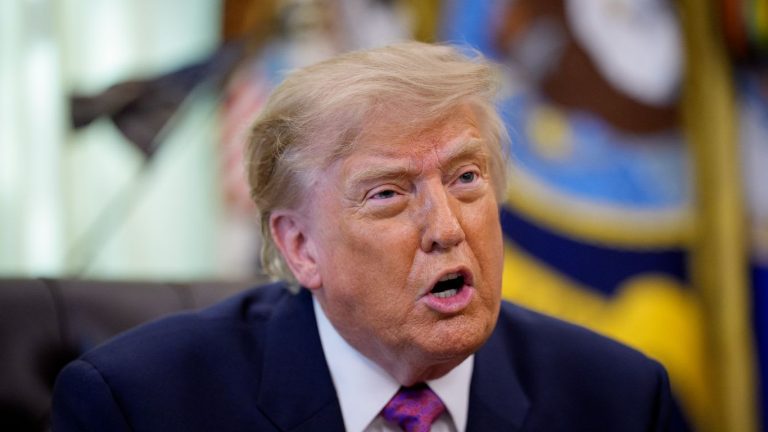
President Donald Trump on Monday called the strikes "very limited" but did not rule out further action. "We're going to hit them hard," he told reporters, according to CNN. Trump also claimed the strait was in "extremely good shape," with roughly 30 ships passing through nightly with Navy assistance, though tracking data indicates maritime traffic remains well below prewar levels.rferl+1
Oil prices surged on the renewed fighting, with Brent crude climbing above $94 a barrel. Before the war began in late February, about 20 percent of the world's oil supply transited the Strait of Hormuz. The national average price for a gallon of regular gasoline in the U.S. has risen to $4.09, roughly 90 cents higher than the same period in 2025, according to AAA.krtv+1
The renewed hostilities shattered weeks of relative calm during which the Trump administration said it was pivoting from military strikes to economic pressure. A framework agreement brokered by Pakistan and Qatar was signed in June, but a 60-day negotiation window passed without further accord.caspianpost+1
Iranian President Masoud Pezeshkian, speaking at the Shanghai Cooperation Organisation summit in Bishkek on Tuesday, said Tehran would "immediately reciprocate" if Washington honored its commitments under the June memorandum of understanding. But Iranian parliament speaker Mohammad Baqer Qalibaf struck a harder tone, warning that "if the enemy wants us not to export oil from the Persian Gulf, no one will be able to export oil."devdiscourse+1
Eighteen U.S. service members have been killed since the war began, while Iran has reported thousands of military deaths. With neither side prepared to cede ground over the waterway, the conflict's trajectory remains uncertain — and its costs, both human and economic, continue to mount.krtv