Newsletter Subscribe
Enter your email address below and subscribe to our newsletter
[forminator_form id="25163"]

All voices matter
politico+1freemalaysiatoday+1nytimesThe United States and Iran traded intensified fire on Thursday as a week-long military escalation threatened to unravel the June memorandum of understanding that had briefly paused the war, with both sides signaling openness to diplomacy even as strikes continued across the Persian Gulf region.
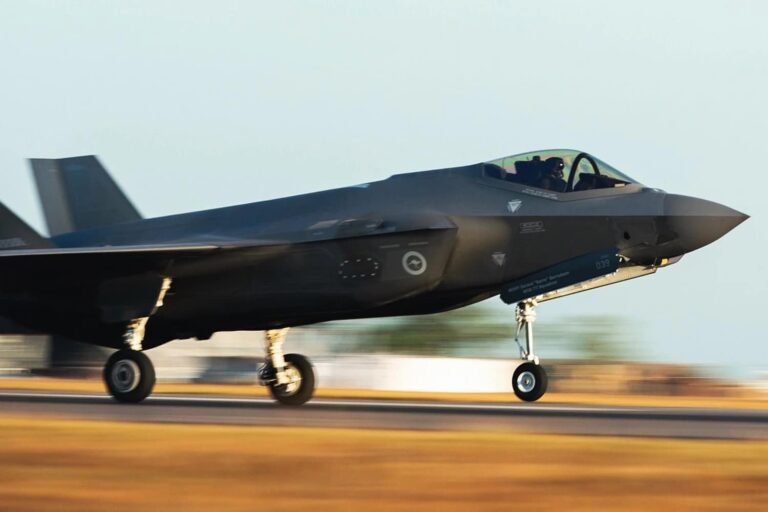
U.S. Central Command carried out multiple waves of airstrikes on Wednesday targeting Iranian coastal defense systems, cruise missile storage facilities, and launch sites on Greater Tunb Island in the Strait of Hormuz, according to the Pentagon. The strikes marked the fifth consecutive day of hostilities following the collapse of peace negotiations. Reports from Iranian media indicated explosions in the port city of Bandar Abbas as well as on the islands of Kish, Qeshm, and Abu Musa. The New York Times reported Thursday that the renewed fighting had entered its sixth day.politico+2
On Tuesday, CENTCOM announced it had reimposed a naval blockade on vessels transiting to and from Iranian ports, effective 4 p.m. ET on July 14. Within the first 24 hours of enforcement, U.S. forces redirected two compliant commercial vessels and disabled one non-compliant unladen oil tanker attempting to sail toward an Iranian port, firing Hellfire missiles into the ship's smokestack.centcom+1
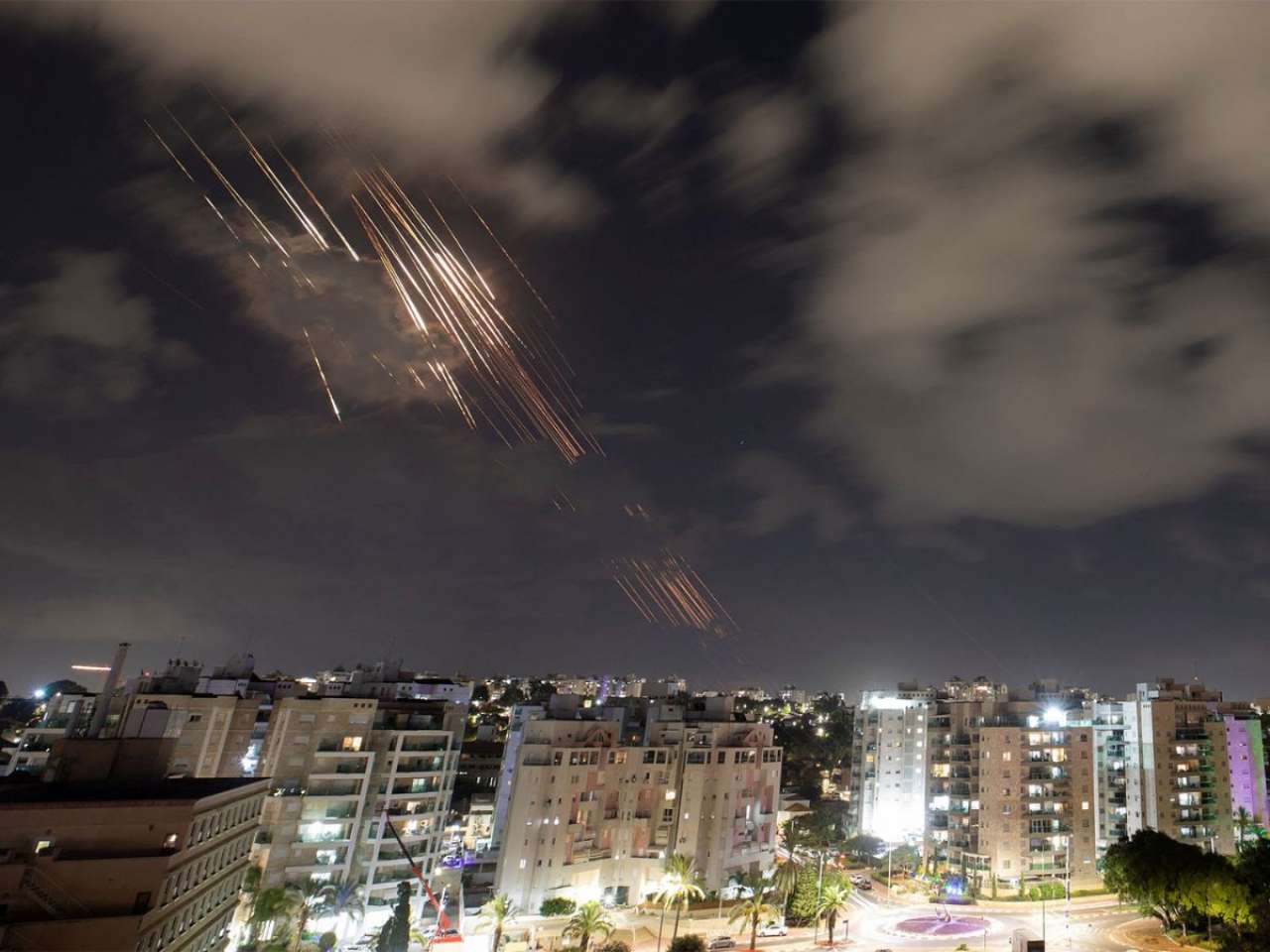
Iran's armed forces launched missile and drone strikes targeting U.S. military facilities in Bahrain, Jordan, and Kuwait in response to fresh American attacks on southern Iran. The Islamic Revolutionary Guard Corps also said it launched ballistic missile strikes on the U.S. Navy's supply and logistics station in Duqm, Oman.freemalaysiatoday+1
Iran's top negotiator Mohammad Bagher Ghalibaf declared on July 15 that the country faces an "essential and existential war" with America. Earlier, Ghalibaf had posted on social media accusing the United States of major violations of the memorandum of understanding, citing the reimposition of oil sanctions and persistent threats of further strikes. The IRGC warned that the Strait of Hormuz was an "unbreakable red line," according to CNN, while Reuters reported Iran threatened to block additional regional seaways.cnn+3
The renewed hostilities sent oil prices to one-month highs. Brent crude jumped 9.5 percent to trade above $83 per barrel on Monday when the blockade was announced, while U.S. benchmark WTI crude topped $78. By Tuesday, Brent had risen further to $86.88 a barrel, its highest level since June 12.wvtm13+1
President Trump is being presented with options to broaden military actions, including a potential operation to seize Kharg Island, Iran's primary oil export hub, and airstrikes on underground nuclear-linked facilities, according to CNN. Yet even as both sides escalated, the New York Times reported Thursday that the U.S. and Iran "appeared to leave the door open to more negotiations to end the war".nytimes+1