Newsletter Subscribe
Enter your email address below and subscribe to our newsletter
[forminator_form id="25163"]

All voices matter
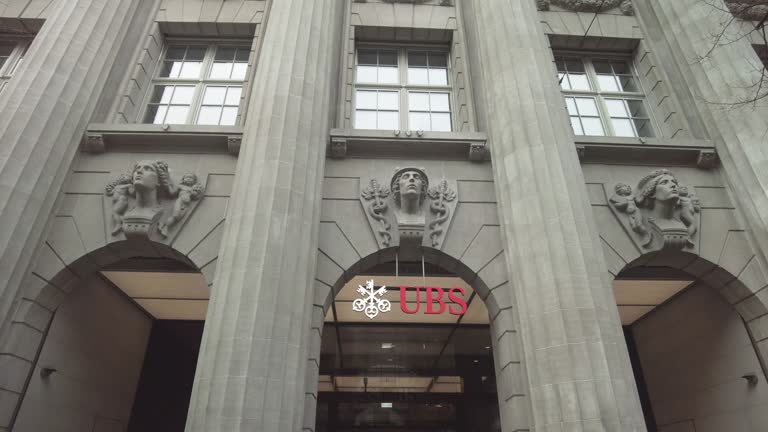
reuters.com.theedgemalaysia.com+1.reuters.com+1.UBS has drawn up contingency plans that include moving its headquarters out of Switzerland or merging with another lender, sources told Reuters. The plans come as Swiss lawmakers write stricter capital rules after the 2023 collapse of Credit Suisse. A lower house committee is set to start debating the rules on October 26. Lawmakers face a dilemma: rules that are too strict could push the country's largest bank abroad, while rules that are too lax could trigger a referendum and drag out the uncertainty.marketscreener.com
A group inside UBS is looking at several options, according to three sources cited by The Straits Times. These include drawing up a list of smaller US banks it could buy, and even the possibility of UBS itself being taken over. The sources said no active talks are underway. Reuters correspondent Ariane Luthi said the bank has been doing this kind of planning regularly for at least a year and a half. She added that last year's planning identified London as one of the best places to move, and that New York and Singapore have also been mentioned. UBS received its full US banking license in March.marketscreener.com+1
UBS has repeatedly said it wants to stay in Switzerland. It declined to comment on what it called market speculation. Some major investors have urged the bank to leave, and Artisan Partners has done so publicly.reuters.com+1
On September 23, the upper house voted for a rule requiring UBS to back its foreign units with 90% Common Equity Tier 1 (CET1) capital, the most expensive type of capital for a bank to hold. That is below the government's proposed 100% but well above the current 60%, which can be partly met with cheaper capital. UBS calls the 90% level excessive and estimates it would need about $16 billion in additional CET1 capital.theedgemalaysia.com+1
Several compromises are being discussed. Hans-Peter Portmann of the Liberal Party (FDP) has proposed a 75% requirement. Fellow FDP lawmaker Olivier Feller, however, said, "My personal view is the lower house could settle on 90%." Finance Minister Karin Keller-Sutter wants parliament to approve the 90% target, according to a person familiar with the matter.reuters.com
The full lower house is not expected to vote before December. After that, there would be a referendum period of several months, followed by an expected seven-year phase-in. The Social Democrats, who support 100% backing, say they will decide whether to push for a referendum once parliament has voted.marketscreener.com
"If we water it down too much, there'll be a referendum," said Leo Mueller, a Centre Party lawmaker on the committee. "If we're too strict, the bank could say, 'Well, Switzerland is now a tough place to do business, we'll look elsewhere'".reuters.com