Newsletter Subscribe
Enter your email address below and subscribe to our newsletter
[forminator_form id="25163"]

All voices matter
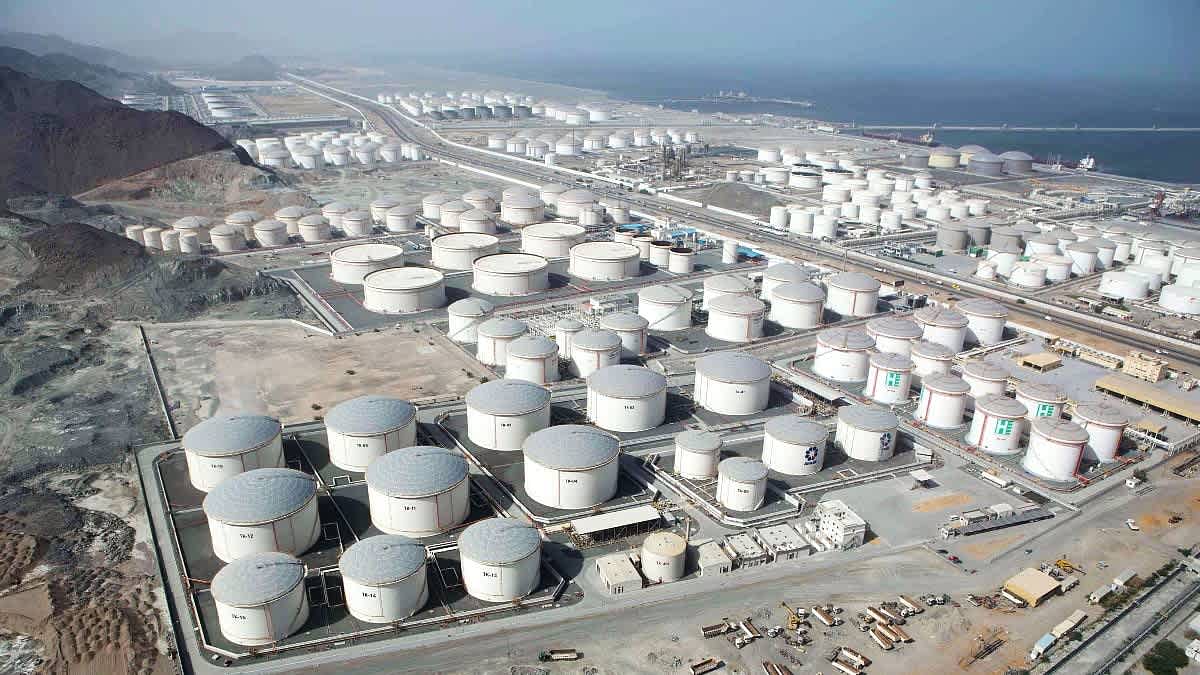
reuters+1thenationalnews+1oilandgasadvancement+1The United Arab Emirates pushed crude oil and condensate exports to a record high in June, averaging about 3.7 million barrels per day, according to ship-tracking data from Kpler and Vortexa cited by Reuters. The milestone marks the UAE's emergence as a more assertive oil producer just two months after its formal departure from OPEC on May 1.kucoin+3
Abu Dhabi's crude loadings reached 4 million bpd between June 1 and June 29, surpassing the pre-war level of roughly 3.4 million bpd that the country was producing in January before the U.S.-Israel conflict with Iran erupted in late February. The recovery has been swift: UAE oil exports had plunged to just 1.9 million bpd in March after Iran effectively closed the Strait of Hormuz, choking off the main artery for Gulf crude shipments.thenationalnews+4
Oil loadings from the Gulf excluding Iran rose 65% month on month to 7 million bpd in June, Reuters reported, though they remain well below the roughly 16.6 million bpd that flowed through the region before the war. The rebound has been aided by alternative export routes, primarily the 1.5 million bpd pipeline running from Abu Dhabi to the Port of Fujairah on the Gulf of Oman, which sits outside the Strait of Hormuz.reuters+2
The UAE's departure from OPEC removed the production quotas that had long constrained Abu Dhabi National Oil Company, which had invested heavily in expanding capacity. In May, Abu Dhabi's Crown Prince Sheikh Khaled bin Mohamed bin Zayed Al Nahyan directed ADNOC to fast-track construction of a second pipeline to Fujairah, which would double the Hormuz-bypass export capacity by 2027. The International Energy Agency projected in mid-June that UAE output could climb to 5.2 million bpd in 2027, a rise of 730,000 bpd from the prior year.energynewsbeat+1
The surge in Gulf exports has weighed on global crude prices. Physical crude markets have moved into wider discounts as Middle East supply ramps up, Reuters reported. A tentative U.S.-Iran peace deal announced in mid-June further pressured prices, with Brent settling down more than $4 a barrel on the day the agreement was disclosed. Analysts have cautioned that the UAE's independence from OPEC will add structural volatility to oil markets. "Expect more frequent commodity-driven shocks," Charles-Henry Monchau of Syz Bank told Trustnet, adding that the shift is "moderately bearish for the medium-term oil price equilibrium".trustnet+2