Newsletter Subscribe
Enter your email address below and subscribe to our newsletter
[forminator_form id="25163"]

All voices matter
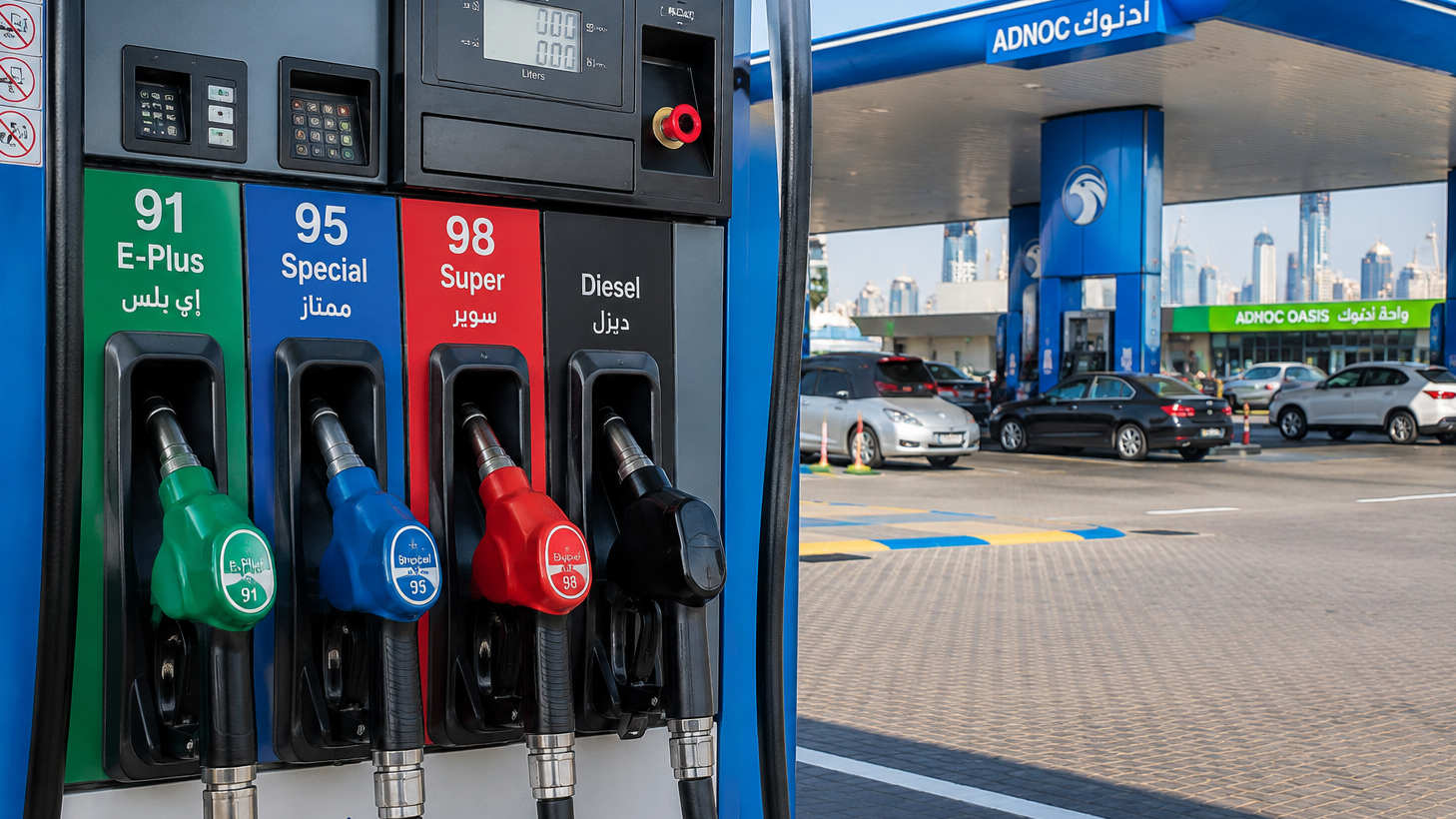
thenationalnews+1thenationalnewsthenationalnewsConsumers in Ghana and the United Arab Emirates face higher costs at the pump starting Friday, as both countries adjust fuel prices upward in response to surging global crude oil prices driven by the US-Iran conflict and disruptions near the Strait of Hormuz.
The UAE announced August fuel prices on Thursday, with Super 98 petrol rising 5.88% to Dh3.60 per litre from Dh3.40 in July, Special 95 climbing 6.08% to Dh3.49, and E-Plus 91 increasing 6.23% to Dh3.41. Diesel will cost Dh3.80 per litre, up 5.56% from July.thenationalnews
The increases mark the second consecutive monthly rise after prices briefly fell in July when Washington and Tehran agreed to a ceasefire. That reprieve was short-lived as both sides renewed hostilities and Yemen's Houthi rebels imposed a "maritime embargo" on Saudi Arabia in the Red Sea, sending Brent crude above $100 a barrel for the first time since May.thenationalnews
In Ghana, the Chamber of Oil Marketing Companies (COMAC) projected petrol rising 7.58% to approximately GH¢15.23 per litre for the August 1–15 pricing window, while diesel is expected to jump 12.50% to GH¢17.45 per litre. Liquefied petroleum gas is projected to increase 4.13% to GH¢16.40 per kilogram.asaaseradio+1
Ghana's National Petroleum Authority also raised price floors ahead of the new window, setting minimum diesel at GH¢16.97 per litre and petrol at GH¢14.53 per litre. COMAC attributed the increases to average crude oil prices climbing 23.25% from $71.90 to $88.62 per barrel during the review period, compounded by a 1.41% depreciation of the cedi against the US dollar.myjoyonline+1
Both countries' price adjustments reflect a global oil market roiled by geopolitical instability. Iran's rejection of an Oman-backed shared-control proposal for the Strait of Hormuz, renewed tanker attacks, and continued shipping restrictions have kept crude prices elevated. Brent settled at $89.03 a barrel on Thursday.asaaseradio+1
"The price surge reflects geopolitical conflict, not underlying demand, and companies are well aware of it," Fraser McKay, upstream analysis lead at Wood Mackenzie, said. Analysts have cautioned that prolonged elevated oil prices could drive inflation higher globally, with food and transport costs bearing the brunt.thenationalnews