Newsletter Subscribe
Enter your email address below and subscribe to our newsletter
[forminator_form id="25163"]

All voices matter

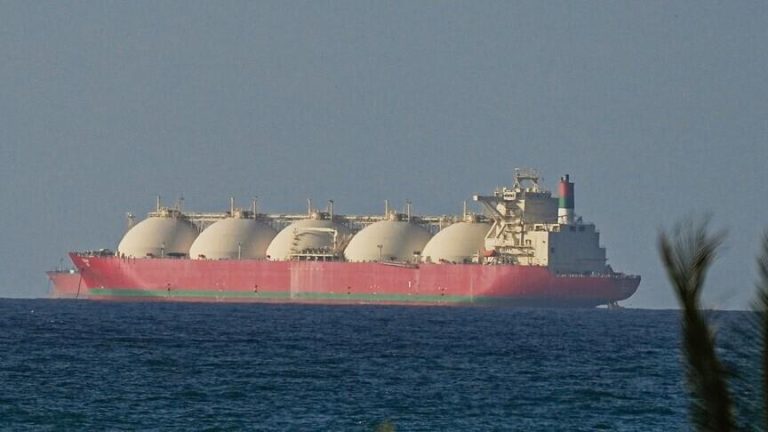
nytimesdunyanews+1nytimesThe United States military has been quietly shepherding oil tankers through the southern portion of the Strait of Hormuz along routes close to Oman since May, helping move roughly 5 million barrels of crude oil per day out of the Persian Gulf in July — a figure that has climbed from about 4 million barrels daily in June, according to shipping analysts cited by The New York Times. The operation comes as a temporary ceasefire between the United States and Iran expired on Tuesday, August 18, with no talks underway for an extension.nytimes+2
Before the war, approximately 15 million barrels of crude oil passed through the Strait of Hormuz each day. The U.S. Central Command has now assisted more than 1,000 ships in transiting the waterway, using ships, helicopters, and planes to intercept Iranian drones and missiles. Ships typically turn off their transponders to avoid detection by Iran.nytimes
"They have been extraordinarily effective in keeping that southern corridor operating, despite the attacks," said Michelle Wiese Bockmann, a shipping analyst at Windward.nytimes
The operation has not been without casualties. At least 15 ships using the southern routes have been struck since early June, injuring 16 mariners and killing two, according to a New York Times analysis of International Maritime Organization data. Another ship was hit this week near Oman, killing a crew member. The Abu Dhabi National Oil Company said 18 of its vessels had been attacked during the war.nytimes
Oil prices rose for a fourth consecutive day on August 19 as President Trump said no talks were taking place with Iran and insisted the strait was open — contradicting Tehran's assertion that the waterway remained closed. Brent crude held above $91 per barrel while WTI traded near $86.caliber+2
The U.S. Navy currently has about 20 warships in the Gulf of Oman, including aircraft carriers Abraham Lincoln and George H.W. Bush, but sustaining this force is straining resources after Iran destroyed the Navy's base in Bahrain on the war's first day. Supply ships must now travel to Diego Garcia, a round trip of more than 10 days.nytimes
Gulf producers are also bypassing the strait through pipelines, while Iraq's cabinet on Tuesday approved mechanisms to export crude through multiple alternative outlets, with contracts running three months from September 1. Two major Chinese shipping companies have stopped routing tankers through Hormuz entirely, instead collecting cargoes outside the Gulf.dunyanews+2
"Iran's threat over the strait will remain significant for the foreseeable future," said Mona Yacoubian, a director at the Center for Strategic and International Studies.nytimes