Newsletter Subscribe
Enter your email address below and subscribe to our newsletter
[forminator_form id="25163"]

All voices matter

businesstimes+1straitstimes+1biz.chosun+1The United States bypassed the European Central Bank when it sold euros to prop up the Japanese yen on July 31, notifying Frankfurt only after the trades had been completed — a move senior ECB officials have called an unprecedented breach of post-war cooperation among Western currency authorities.
According to the Financial Times, ECB President Christine Lagarde and Treasury Secretary Scott Bessent spoke by phone about the intervention on August 1, a day after the Federal Reserve Bank of New York had already executed the euro sales on behalf of the Treasury. Since World War II, central banks and treasuries in Western nations have coordinated foreign-exchange interventions in advance.straitstimes+2
The decision to sell euros rather than dollars was deliberate. Selling dollars could have been interpreted as an effort to weaken the greenback, conflicting with Bessent's stated strong-dollar policy. Instead, the Treasury tapped its euro reserves held in the Exchange Stabilization Fund.fortune+1
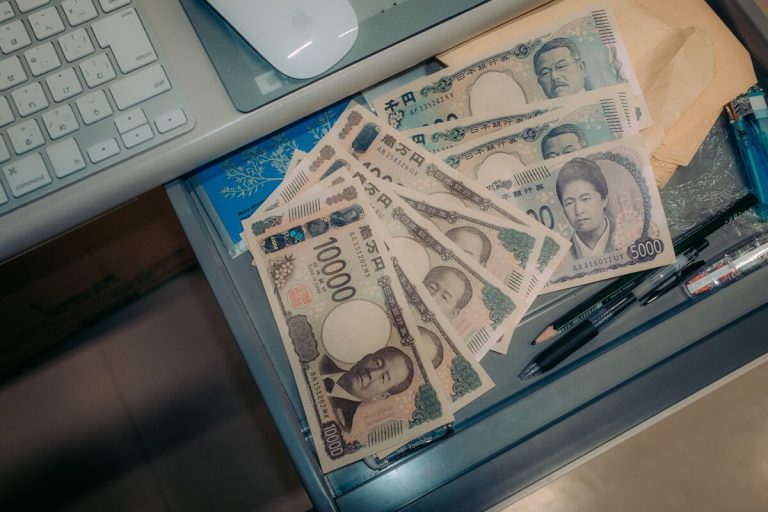
CNBC reported that the New York Fed sold euros for yen through Goldman Sachs and Morgan Stanley , citing people familiar with the matter. The coordinated intervention — the first joint U.S.-Japan yen purchase since 1998 — pushed the dollar-yen pair from around 163-164 to approximately 157.cnbc+2
A Treasury spokesperson defended the action, telling the Financial Times that decisions on managing the Exchange Stabilization Fund "are made by the Treasury, and in doing so, the Treasury takes into account the Federal Reserve's assessments of market liquidity, asset valuation and other relevant factors".biz.chosun
By August 7, the yen had surrendered nearly half of its intervention-driven gains, trading around 158.45 per dollar — well off the strong point of 155.23 reached on August 3, according to the Straits Times. The pullback has fueled speculation that authorities may need to step in again.straitstimes
"The possibility of another round of intervention is high especially as dollar-yen approaches 160," said OCBC strategist Moh Siong Sim. Reuters reported that Japan may have spent as much as $36.58 billion in the intervention, while Bessent's contribution was estimated between $5 billion and $10 billion based on a photograph of his notepad.fortune+2
The episode leaves European policymakers questioning whether the Trump administration's willingness to act unilaterally on currency markets signals a broader shift in transatlantic financial cooperation — or was simply a one-off tactical decision driven by the constraints of strong-dollar messaging.