Newsletter Subscribe
Enter your email address below and subscribe to our newsletter
[forminator_form id="25163"]

All voices matter

reuters+1Newsmax+1reutersThe United States and Iran are publicly disputing fundamental elements of the framework deal they signed last week to end their war, with each side offering sharply different accounts of what was agreed regarding nuclear inspections and the use of unfrozen Iranian assets.
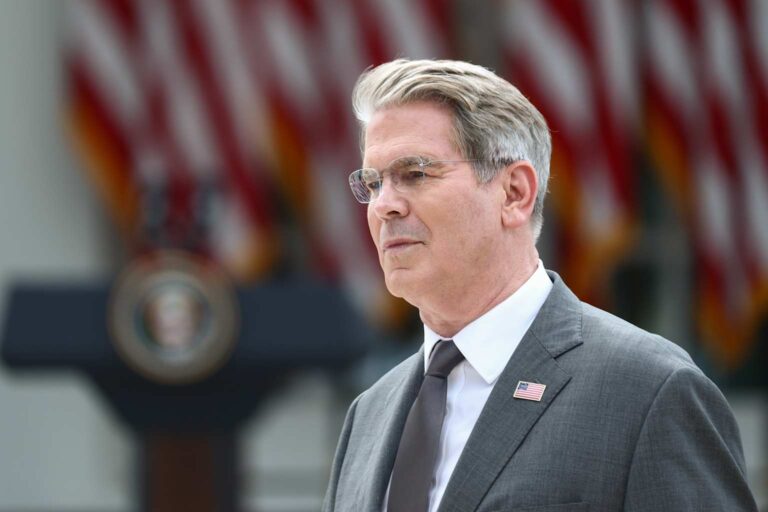
Vice President JD Vance told reporters on Monday at the Burgenstock resort in Switzerland that "the Iranians have agreed to invite IAEA inspectors back into their country," calling it "a major milestone for the American people." Hours later, Iranian Foreign Ministry spokesperson Esmail Baghaei said there was no protocol for such inspections and that Iran had not held any meeting with International Atomic Energy Agency chief Rafael Grossi in Switzerland.timesofisrael+1
President Trump escalated the dispute on Tuesday, posting on Truth Social that "Iran has fully and completely agreed to highest level Nuclear inspections long into the future (Infinity!!!)" and warning that "if they did not agree to this, there would be no further negotiations." Iran denied that its nuclear program was even a topic of discussion during the talks.Internazionale+1
The two sides are also at odds over what Iran can do with billions in frozen assets abroad. Trump wrote on Truth Social that the Treasury Department would release Iranian assets "into escrow, controlled by the U.S.A., and will be used for the purchase of food and medical supplies, exclusively from the United States, including Corn, Wheat, and Soybeans from our great American farmers."Newsmax
Vance credited Jared Kushner with devising the arrangement, saying Qatar would supervise the process. But Iran's Central Bank Governor Abdolnaser Hemmati flatly rejected the claim, saying Iran "has no obligation to buy agricultural products from the United States according to the memorandum of understanding." Baghaei added that any purchases would be based on "prices and quality," not terms dictated by Washington.dtnpf+2
The disagreements threaten to undermine the 60-day ceasefire memorandum of understanding signed last week, under which Washington agreed to waive sanctions on Iran, allowing Tehran to sell oil and receive payment. The framework itself sets no limits on Iran's nuclear program — that issue is meant to be resolved during the 60-day negotiation window, according to Reuters.reuters+1
Iran's UN ambassador in Geneva, Ali Bahreini, said "good progress" had been made and that two working groups would be established in coming days to focus on sanctions removal and nuclear activities. But Trump warned Tuesday that he would "do what I have to" if Tehran "misbehaves," underscoring the precariousness of a deal built on competing narratives.ST