Newsletter Subscribe
Enter your email address below and subscribe to our newsletter
[forminator_form id="25163"]

All voices matter

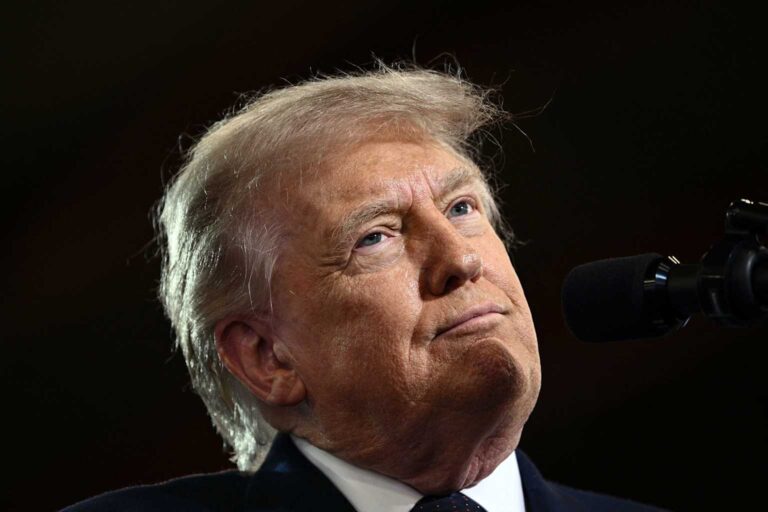
San Antonio News, Texas News, Sports, Weather from KSAT.com, Expect MoreEnergy.gov+1AL-MONITOR: The Middle Eastʼs leading independent news source since 2012+1President Donald Trump declared Thursday that the civil nuclear cooperation agreement signed this week between the United States and Saudi Arabia is contingent on Riyadh joining the Abraham Accords and normalizing relations with Israel — a condition that was absent when the deal was publicly unveiled a day earlier.
In a post on Truth Social, Trump said the agreement "will be approved, but is totally subject to Saudi Arabia joining the very respected and successful Abraham Accords." He also stated that "The United States is not opposed to Civil (Non-Enriched) Nuclear Facilities," suggesting the deal prohibits uranium enrichment — a claim that appears to conflict with earlier reporting on the agreement's provisions.San Antonio News, Texas News, Sports, Weather from KSAT.com, Expect More
The 123 Agreement was signed Wednesday by Energy Secretary Chris Wright and Saudi Energy Minister Prince Abdulaziz bin Salman, establishing the legal framework for a decades-long, multi-billion-dollar civilian nuclear partnership. The Department of Energy said the agreement would now be transmitted to Congress for a mandatory 90-day review period.Energy.gov+2
Trump's assertion that the deal bars enrichment contradicts multiple reports from the week. CNN, citing U.S. officials, reported that the agreement could lead to Saudi Arabia enriching its own fuel for civilian reactors. The Wall Street Journal News Corp , which first reported the deal's approval, indicated the agreement bars Riyadh from developing enrichment technology or purchasing it from other countries for a decade — implying enrichment could eventually be permitted. Al-Monitor reported the deal is expected to allow domestic uranium enrichment following a joint two-year U.S.-Saudi feasibility study.AL-MONITOR: The Middle Eastʼs leading independent news source since 2012+1
The agreement also notably does not require Saudi Arabia to adopt the International Atomic Energy Agency's Additional Protocol, which would grant broader inspection and verification powers — a departure from the "gold standard" set by the U.S.-UAE nuclear pact in 2009.KESQ NewsChannel 3+1
Trump's linkage of the nuclear agreement to normalization with Israel follows a pattern. In May, he posted on Truth Social that it "should be mandatory" for Saudi Arabia, Qatar, Pakistan, Turkey, Egypt, and Jordan to join the Abraham Accords as part of broader regional diplomacy. Saudi Arabia has previously resisted normalization without progress toward Palestinian statehood.The Times of Israel+1
The nuclear deal now faces congressional scrutiny, where lawmakers can attempt to block it through a joint resolution of disapproval. Unless both chambers pass such a resolution — which would require a two-thirds majority to override a presidential veto — the agreement enters into force after the review period.ARN News Centre+1