Newsletter Subscribe
Enter your email address below and subscribe to our newsletter
[forminator_form id="25163"]

All voices matter
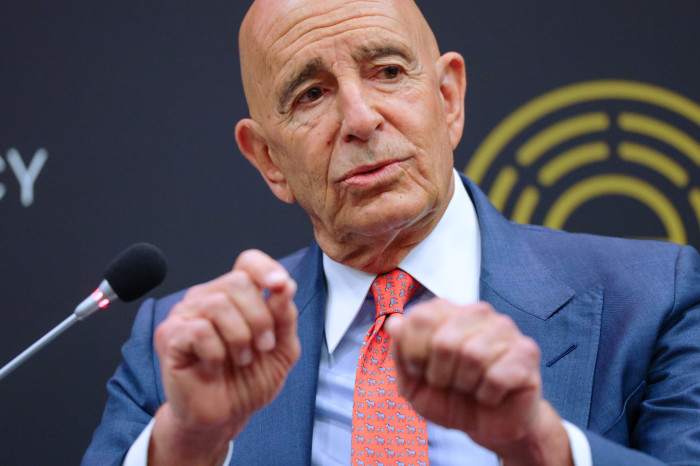
aljazeera.com.wsj.com.aa.com.tr+2.US envoy Tom Barrack told a Doha security conference on Tuesday, October 20, that Washington is giving up its old security-for-oil arrangement with the Middle East and no longer wants to dominate the region. He insisted the shift does not mean a US withdrawal. "The US no longer wants to own," Barrack said at the Global Security Forum. "The bargain is not to control, but to not leave. We're not leaving," Al Jazeera reported.aljazeera.com
The remarks reached Gulf states that are worried about being left to deal with the aftermath of the US-Israeli war on Iran. Barrack is US ambassador to Turkey and Trump's envoy for Syria and Iraq. He urged countries in the region to look after their own security by forming regional partnerships, according to The Wall Street Journal News Corp .aljazeera.com
Barrack said the US had been involved in 23 regime changes across the wider Middle East. "Every time we try and intervene, change the person or the regime, it seems to have been a mistake," he said, according to Anadolu Agency. Asked whether the war on Iran was itself a mistake, he said: "I don't know whether it's a mistake or not." He added that the first goal of the operations launched on Feb. 28 was to stop what Washington saw as an imminent nuclear threat, not to change Iran's government.aa.com.tr
"The US is no longer the master of the world," Barrack said, reflecting on past US interventions in Libya, Afghanistan, Syria and Iraq, AzerNews reported. He also said regional governments were concluding, "OK, I can't rely on America to solve all my problems." Political analyst Luciano Zaccara told Al Jazeera that Barrack had in effect admitted regime change in Iran was unlikely to succeed.azernews.az+1
On Yemen, Barrack said Washington is giving Saudi Arabia logistical support against the Houthis. He said a US ground intervention there "appears pointless".aa.com.tr
"America wants a peace deal," Barrack said. He named mistrust as the main obstacle: "IRGC does not trust US. The US does not trust IRGC," according to Al Jazeera's live coverage. He suggested a revised version of the Islamabad understanding could be a basis for new talks. That would include a ceasefire, reopening shipping routes and steps to ease economic pressure on Iranians.aljazeera.com+1
Qatari Foreign Ministry spokesperson Majed al-Ansari said mediators are still passing messages between the two sides. Iran's seven-day proposal to end the war is still awaiting a US response. The plan would reopen the Strait of Hormuz and restart nuclear talks in exchange for lifting the naval blockade and easing sanctions. The forum's host, Qatar, has also called for a non-aggression pact between Gulf states and Iran.english.aawsat.com+1
"The fact that we're not hearing about it is a good sign that we're doing our job properly," al-Ansari said.