Newsletter Subscribe
Enter your email address below and subscribe to our newsletter
[forminator_form id="25163"]

All voices matter
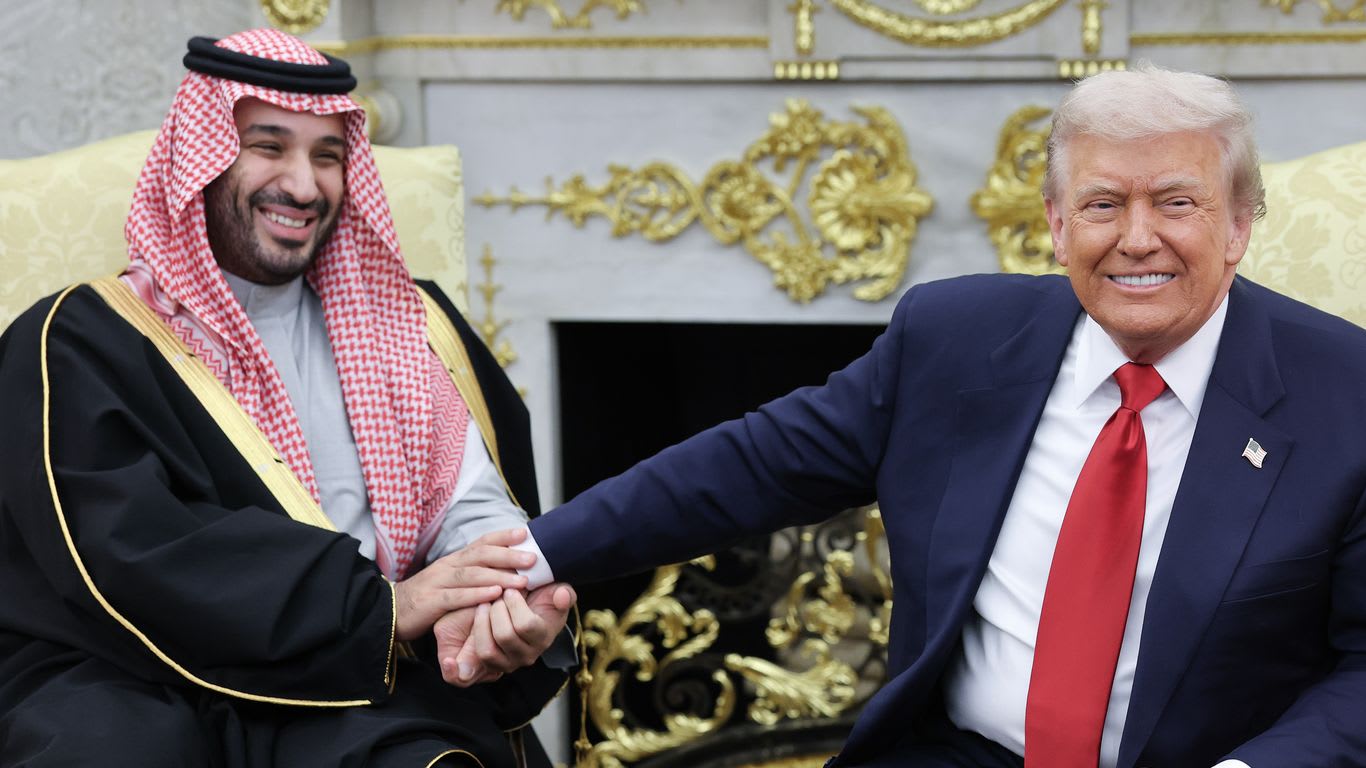
axiosaxios+1indiatodaySaudi Crown Prince Mohammed bin Salman called President Trump twice on Thursday, urging him to order American military strikes against the Houthis as the Iran-backed group seized a strategic Red Sea port city — but the president declined both times, according to Axios, which first reported the exchange citing two U.S. officials.axios
The calls came as Houthi forces advanced on and captured the coastal city of Mokha, pushing them closer to the Bab al-Mandab Strait, a chokepoint through which a large share of global trade and Saudi oil exports pass. Oil prices surged Thursday on the escalation, which represents the most serious fighting in Yemen since a UN-brokered truce halted hostilities in 2022.reuters+2
U.S. officials stressed that the administration has no plans to intervene directly against the Houthis, with Trump's directive keeping American forces focused on Iran and safeguarding the Strait of Hormuz. However, a U.S. official said Washington will provide Saudi Arabia with intelligence on the Houthis and targeting data.ua+2
"The United States is focused on protecting our core national security interests — such as ensuring freedom of navigation in the Red Sea — while empowering our regional partners to take the lead in managing and resolving regional security challenges," a senior Trump administration official told Axios.axios
Admiral Brad Cooper, commander of U.S. Central Command, traveled to Saudi Arabia on Thursday for urgent coordination meetings, and roughly 200 U.S. military personnel are already in the kingdom providing non-combat support.1news+1
The rejection marks a sharp reversal from July, when Riyadh told Washington it could handle the Houthis on its own after receiving Trump's political backing for strikes on the Sanaa airport. Since then, the Houthis have retaliated by attacking Saudi tankers in the Red Sea and hitting Saudi energy facilities with drones and missiles, injuring over 70 civilians.indiatoday+1
Saudi Arabia's options appear increasingly constrained. Pakistan, which last month signed the Mecca Joint Defence Agreement with Riyadh and Turkey, walked back its commitments on Thursday. Pakistan's foreign ministry called the pact a "defensive alliance focused on deterrence" and denied any plans for military strikes against the Houthis.indiatoday
With Iran already disrupting traffic through the Strait of Hormuz, Houthi control of Bab al-Mandab could hand Tehran a second chokepoint over global shipping. Reuters reported that it could not immediately verify the Axios account, and the White House and Saudi embassy in Washington declined to comment.reuters+1