



Newsletter Subscribe
Enter your email address below and subscribe to our newsletter
[forminator_form id="25163"]

All voices matter
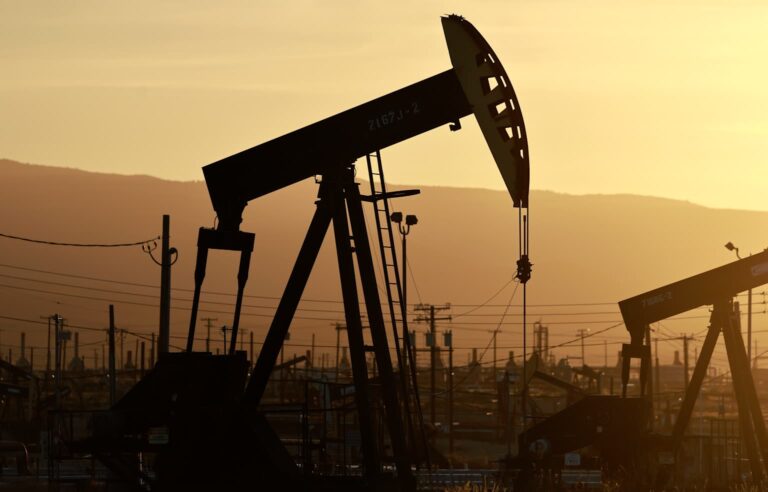
The U.S. Energy Information Administration raised its oil price forecasts for this year and next on Tuesday, Oct. 6. The agency said global inventories are falling fast and diesel markets remain tight because of the war with Iran.

A global diesel shortage driven by the wars in Iran and Ukraine is unlikely to ease before next year, according to storage market data and industry participants, extending a fuel-cost spike that is straining economies from the United States to…

The world is entering fall with fuel stockpiles at their thinnest in years, and the outlook is getting worse. Global gasoline stocks began September at their lowest tracked levels for any month in at least a decade, while diesel prices…

The U.S. Energy Information Administration now expects Brent crude to average $91.01 per barrel in 2026, up $22 from last year's average of $69.04, as escalating Middle East disruptions choke off crude flows through two of the world's most critical…

The U.S. Energy Information Administration on Wednesday raised its oil price forecasts for 2026, projecting Brent crude to average around $91 per barrel for the full year — nearly 5% higher than its previous estimate — as the ongoing conflict…

The U.S. Energy Information Administration has raised its Brent crude forecast to $85 per barrel for the third quarter of 2026, an $11 increase from its previous estimate, as ongoing disruptions in the Strait of Hormuz continue to drain global…

The U.S. Energy Information Administration's August Short-Term Energy Outlook projects global oil consumption will outpace production by 1.91 million barrels per day in 2026, before a dramatic reversal to a surplus of 4.78 million barrels per day in 2027. The…
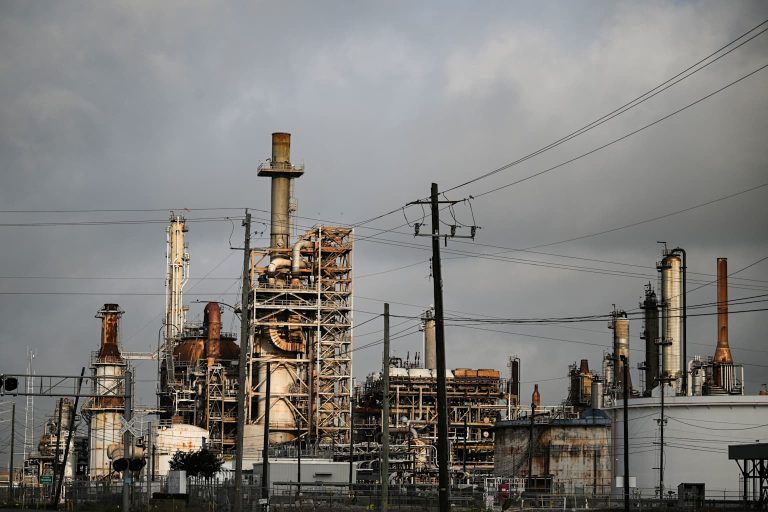
The U.S. Energy Information Administration sharply raised its third-quarter 2026 Brent crude forecast by $11 to $85 per barrel in its August Short-Term Energy Outlook, released August 11, citing continued severe constraints on shipping through the Strait of Hormuz that…

The U.S. Energy Information Administration said Tuesday that oil supply disruptions stemming from the US-Iran conflict are expected to reach approximately 600,000 barrels per day through the end of 2027, as fighting continues to restrict shipments through the Strait of…
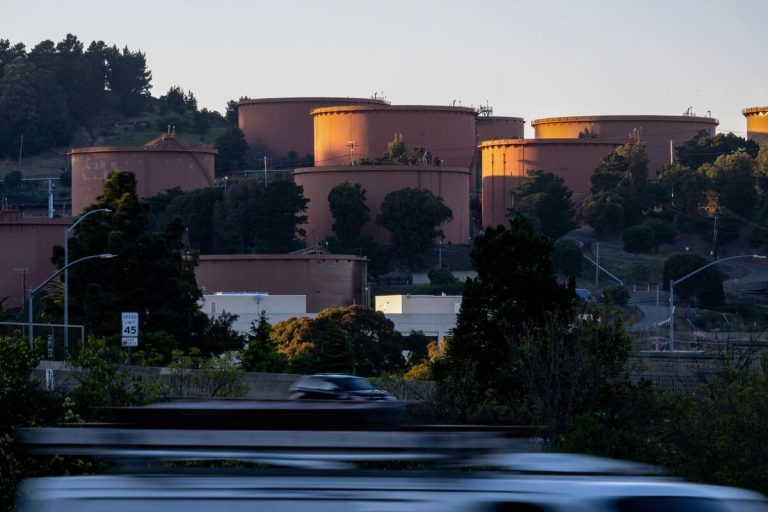
The United States shipped a record 1.9 million barrels per day of distillate fuel overseas last week, surpassing the previous high set in May, as the global diesel shortage deepened amid continued Middle East conflict and constrained Russian supply.

OPEC on Sunday lowered its 2026 global oil demand growth forecast to 780,000 barrels per day, marking the third consecutive monthly downward revision, as the producer group's latest Monthly Oil Market Report pointed to lingering effects from geopolitical disruptions in…

The U.S. Energy Information Administration on Monday sharply cut its crude oil price forecast following last month's U.S.-Iran agreement to reopen the Strait of Hormuz, projecting Brent crude to average $74 per barrel in the third quarter of 2026 —…

Discounts on Russia's flagship Urals crude have widened to more than $10 per barrel against dated Brent for deliveries to Indian ports, as the return of Middle Eastern oil supply and weakening demand from Asian refiners leave Russian sellers scrambling…

The U.S. Energy Information Administration said Tuesday that global crude oil production and trade flows are expected to return to near pre-conflict levels by the end of 2026, with most shut-in production from the Iran war restored during the first…