Newsletter Subscribe
Enter your email address below and subscribe to our newsletter
[forminator_form id="25163"]

All voices matter
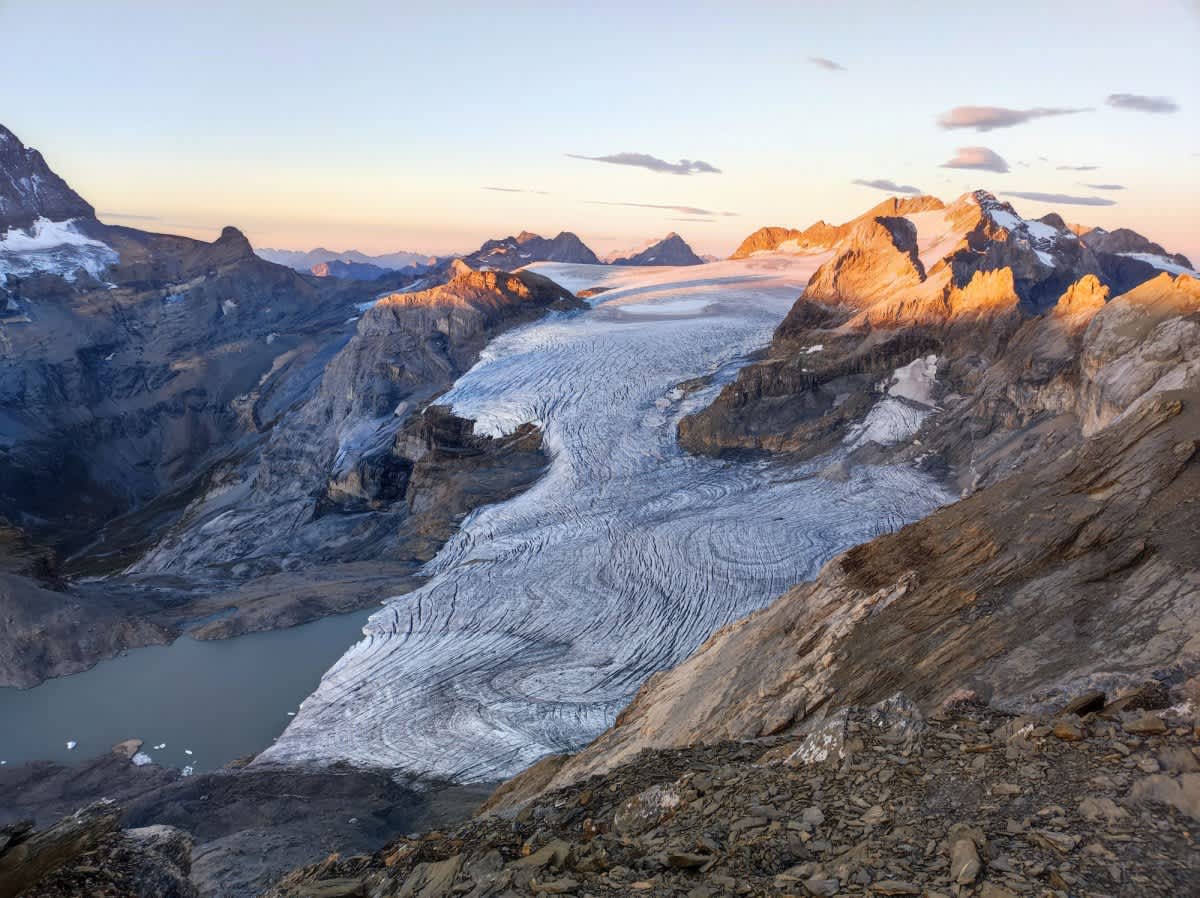
apnews+1.washingtonpost+1.scmp+2.Switzerland's glaciers lost 5.5% of their ice volume in 2026. It is the second-largest annual drop on record, after a winter with little snow was followed by summer heat waves, according to a report released Thursday by the Glacier Monitoring in Switzerland (GLAMOS) network and the Swiss Academy of Sciences. The report found that about 20% of the country's glacial ice has disappeared since 2021.washingtonpost+3
"Alpine glaciers have no chance of surviving in the long term under such conditions," the two groups said in a statement. GLAMOS head Matthias Huss called 2026 "a catastrophic year."apnews+1
The countrywide loss came in just under the 6% record set in 2022. According to NPR, the main reason was that a little more winter snow covered the ice this year. Even so, some individual glaciers lost more ice than ever before, including the Rhône and Aletsch, which are among the country's largest. On some glacial tongues, the ice got as much as 10 meters (about 33 feet) thinner, and a handful of small glaciers disappeared completely, the Washington Post reported. On average, glaciers thinned by between 8 and 13 feet.npr+1
The 2025 winter left glaciers with a 25% snow deficit. Temperatures then stayed above freezing at elevations higher than 4,000 meters, so the glaciers melted even at their highest points. Huss called that dynamic "a death sentence." Scientists estimate the glaciers lost around 2.2 trillion liters of water between July and September alone. That is more than four times what Swiss households drink in a year.washingtonpost+1
"With this climate, we cannot keep glaciers in the Alps," Huss told the Post.washingtonpost
The glaciers are often called Europe's water towers because their melt feeds rivers such as the Rhine and Danube. NPR reported that this summer, freight traffic on both rivers came to a halt as water levels fell, and some nuclear plants cooled by river water had to shut down temporarily. Hydropower produces more than half of Switzerland's electricity, and the power sector has long counted on glacial melt during hot, dry years.npr+1
Melting ice and warming permafrost also make mountains less stable. In 2025, a glacier collapse buried most of the village of Blatten, whose residents had been evacuated beforehand. Huss said climate change can be "the last bit that is missing to trigger such events," but he cautioned against drawing direct links to individual disasters.npr
If warming continues at its current pace, GLAMOS projects that all of Switzerland's glaciers will be gone by the end of the century. "Look at them, it's not a hoax," Huss said. "The evidence is clear, and it's been clear for decades."npr