Newsletter Subscribe
Enter your email address below and subscribe to our newsletter
[forminator_form id="25163"]

All voices matter
lemonde.fr.dw.com+1.apnews.com.The El Niño event now building in the equatorial Pacific has "already reached unprecedented levels since the late 20th century," Météo-France climatologist Lauriane Batté told Le Monde, and its peak is still to come. Over the past several days it has been linked to a national emergency in Bolivia and to repeated flooding in the U.S. Southwest. Forecasters expect it to keep strengthening through the end of the year.lemonde.fr
The World Meteorological Organization reported on Oct. 21 that the monthly Niño 3.4 index rose from +2°C to +2.8°C between July and September, according to Le Monde. Climatologist Zeke Hausfather said the daily anomaly passed the November 2015 record on Sept. 21 and stood near +3.5°C at the end of October. He called this year's event "already the most intense ever recorded by instruments." Seasonal models project the anomaly could reach about +4°C, and NOAA puts the chance of a "historic event" between October and December at 83%, Le Monde reported. The El Niño has also been tied to wildfires in Indonesia, drought in French Guiana and a weak monsoon in India.lemonde.fr
On Saturday, Oct. 31, Bolivian President Rodrigo Paz declared a national state of emergency so the government could move resources and rescue teams more quickly. "This will be a phenomenon that will have very severe impacts in terms of drought and floods, and we need the cooperation of all institutions," Paz said, according to DW. A government report found the drought has affected about 78,000 families and killed more than 75,000 cattle, the Taipei Times reported, citing AFP. Totals from June through Oct. 29 also list 167,511 hectares of farmland affected, according to the Pan American Health Organization.dw.com+2
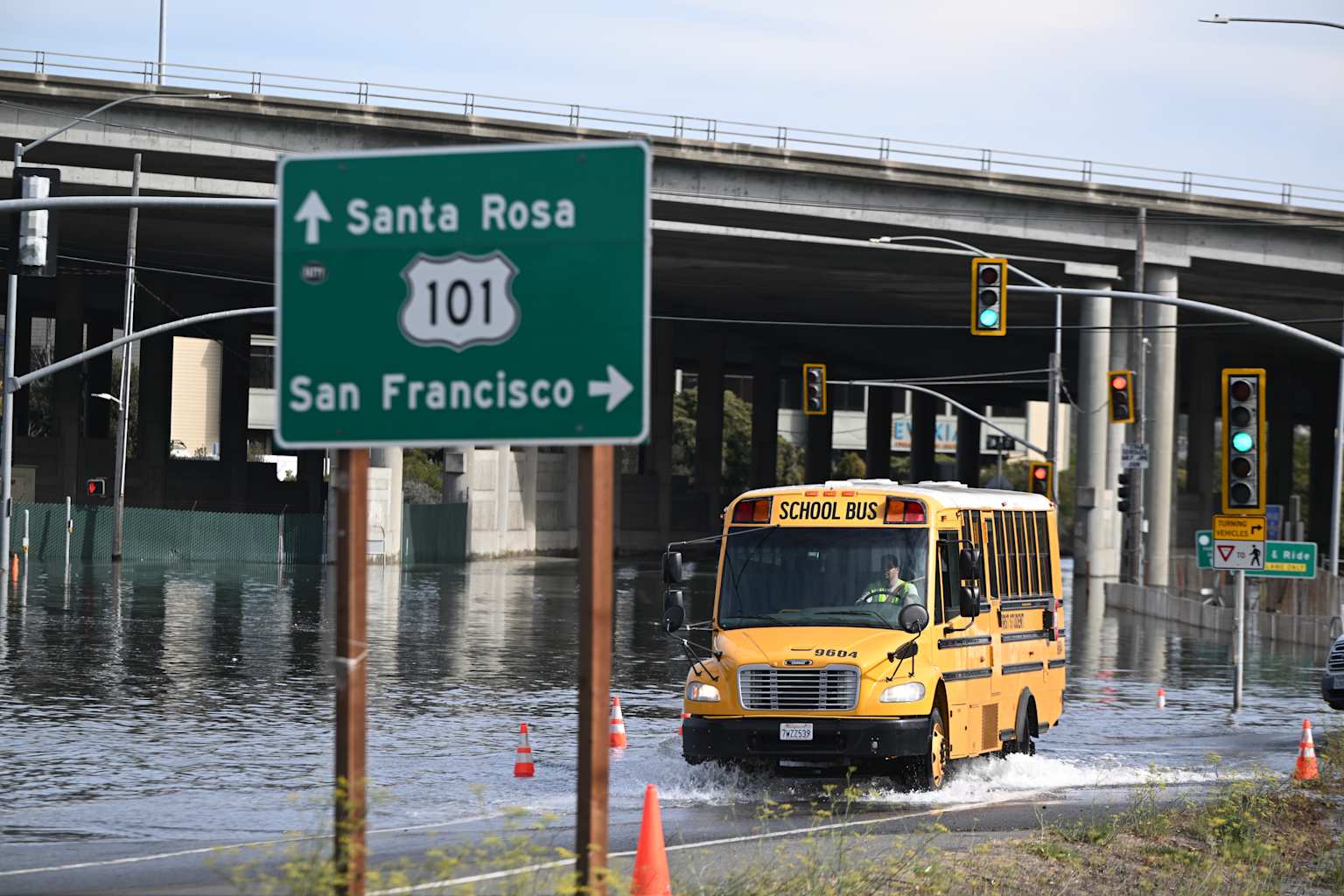
In the United States, experts say El Niño is adding moisture to the air and pushing strong air currents toward the Southwest, making heavy rain more likely and more intense, the Associated Press reported. They also cautioned that no single storm can easily be blamed on it. Former NOAA chief scientist Ryan Maue calculated that more than 20 trillion gallons of rain fell on the Four Corners states and Nevada over two weeks. "We've had super El Niños in the past, but this is a super duper El Niño," said meteorologist Jeff Masters.apnews.com
The weekend storms forced hundreds of people to evacuate across Arizona, New Mexico, Colorado and Utah. One person died in Flagstaff, and police suspect a second death there was weather-related, the AP reported. Flagstaff had its wettest Nov. 1 on record.apnews.com
Forecasters expect El Niño to peak in December. "The dice are certainly loaded for more heavy storms this winter and spring," said Park Williams of the Scripps Institution of Oceanography, according to the AP.apnews.com