Newsletter Subscribe
Enter your email address below and subscribe to our newsletter
[forminator_form id="25163"]

All voices matter
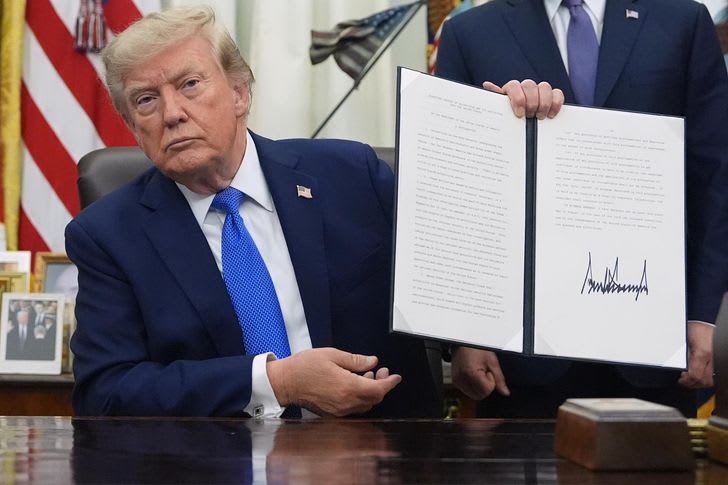
koreajoongangdailykoreajoongangdaily+1tradingviewPresident Donald Trump signed a proclamation last week imposing a 15% tariff on polysilicon derivative products under Section 232 of the Trade Expansion Act of 1962, a move that introduces minimum import prices and incentives for domestic production while sending ripples through the global solar supply chain. The new trade measure is set to take effect on December 4.koreajoongangdaily+1
The policy targets a material central to both solar panel manufacturing and semiconductors, areas where China has long dominated global production. Experts warn the tariffs could render some proposed U.S. solar developments uneconomic, even as they aim to strengthen domestic manufacturers.etftrends+1
Markets responded swiftly. Shares of First Solar rose in premarket trading on Tuesday after a wave of analyst upgrades. Mizuho raised its price target on the company to $324 from $300, maintaining an "Outperform" rating, with the firm saying the tariff details were "better than expected." HSBC analyst Daniel Yang upgraded the stock to "Buy" from "Hold" on Friday, while Wells Fargo and Jefferies also raised their price targets.tradingview
Mizuho noted that the policy favors U.S. integrated solar manufacturing, which "will likely remain in short supply through at least the early 2030s."tradingview
The Invesco Solar ETF has gained 44.6% over the past year, while the ALPS Clean Energy ETF returned 21.7% over the same period.etftrends
South Korea's Ministry of Trade, Industry and Resources held a meeting on Tuesday with Samsung Electronics, OCI Company, and other firms to assess the tariffs' impact on Korean exporters and U.S.-based supply chains. Deputy Minister for Trade Park Jung-sung presided over the session.koreajoongangdaily
"The government will make every effort to provide timely and targeted support for local businesses," Park said.koreajoongangdaily
While domestic manufacturers stand to benefit from reduced foreign competition, the picture is more complex for the broader U.S. solar industry. Project installers face potential near-term margin pressure from tariff-driven cost increases, even as equipment manufacturers and U.S.-based suppliers could see improved pricing power.energyintel+1