Newsletter Subscribe
Enter your email address below and subscribe to our newsletter
[forminator_form id="25163"]

All voices matter
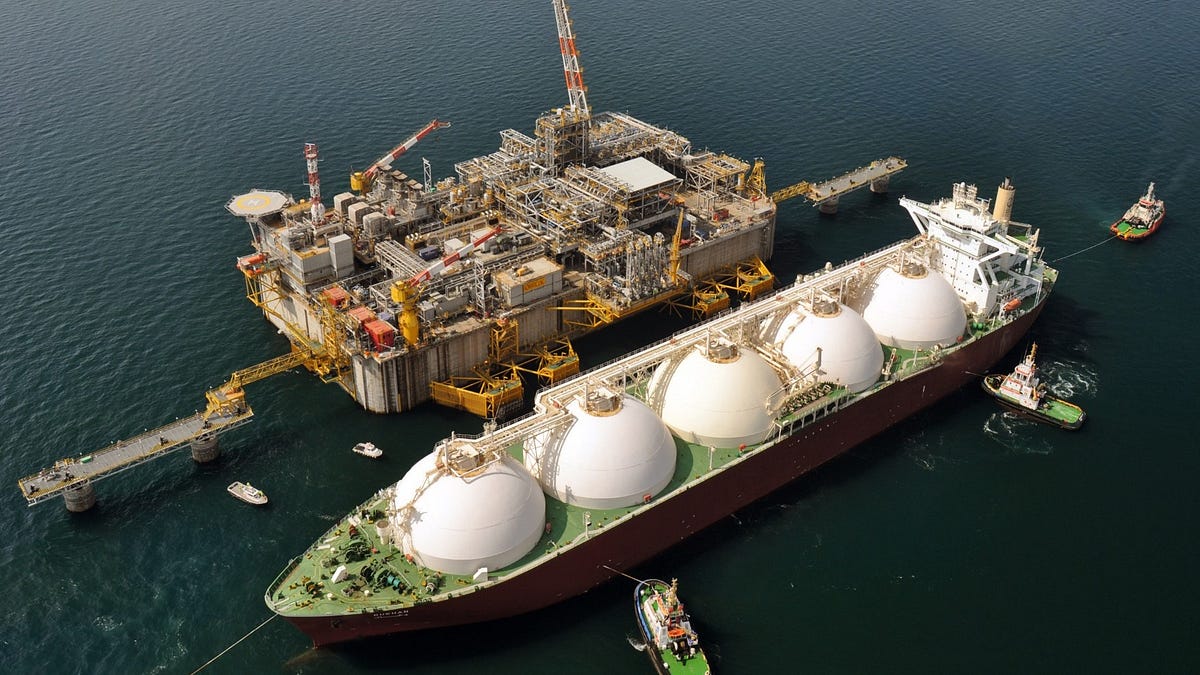
morningstar+1woodmac+1marketscreener+1Shell released its annual LNG Outlook 2026 on Tuesday, warning that global liquefied natural gas trade could stagnate or even contract this year if disruptions to shipping through the Strait of Hormuz persist. The report projects a rebound in growth by 2027 and forecasts global LNG demand rising approximately 65% to nearly 700 million tonnes per year by 2050.reuters+1
The outlook comes after global LNG trade reached 422 million tonnes in 2025, a record high. But the Middle East conflict that escalated earlier this year has severely disrupted flows through the Strait of Hormuz, a chokepoint handling nearly 20% of global LNG exports. The closure has shut in a substantial portion of monthly LNG supply, particularly Qatari cargoes bound for Asia.anasalhajjieoa.substack+5
Asian spot LNG prices surged from around $10 per MMBtu in January to above $20 per MMBtu in March as the disruptions took hold, according to Wood Mackenzie and market data from the Federal Reserve Bank of St. Louis. Prices averaged $20.81 per MMBtu in March, their highest monthly level since January 2023.woodmac+3
If talks to reopen the strait succeed, Shell expects 2026 to represent only a temporary setback before supply growth resumes. About 180 million tonnes per year of new LNG supply is forecast to enter the market by 2030, improving availability and affordability.morningstar+1
Looking beyond the near-term disruption, Shell's outlook projects global LNG demand will reach between 610 and 780 million tonnes per year by 2050, with a median forecast of 695 million tonnes — roughly 65% above 2025 levels. The growth is expected to be driven largely by Asia, where countries are turning to gas as a replacement for coal in power generation and industrial use.lngprime+2
Shell had previously forecast in its 2025 outlook that global LNG demand would rise at least 54% by 2040 from the 2025 baseline. The updated report extends the forecast horizon to 2050 and reflects continued confidence in LNG's role in energy security despite the current supply crisis.reuters
The report underscores the tension between LNG's long-term growth trajectory and its vulnerability to geopolitical disruption. Wood Mackenzie estimated in March that Asian demand could fall by 4-5 million tonnes through the third quarter of 2026 if supply disruptions lasted two months. The conflict has also reshaped global trade flows, with U.S. LNG exporters gaining market share as Qatari volumes were curtailed.enkiai+2