


Newsletter Subscribe
Enter your email address below and subscribe to our newsletter
[forminator_form id="25163"]

All voices matter
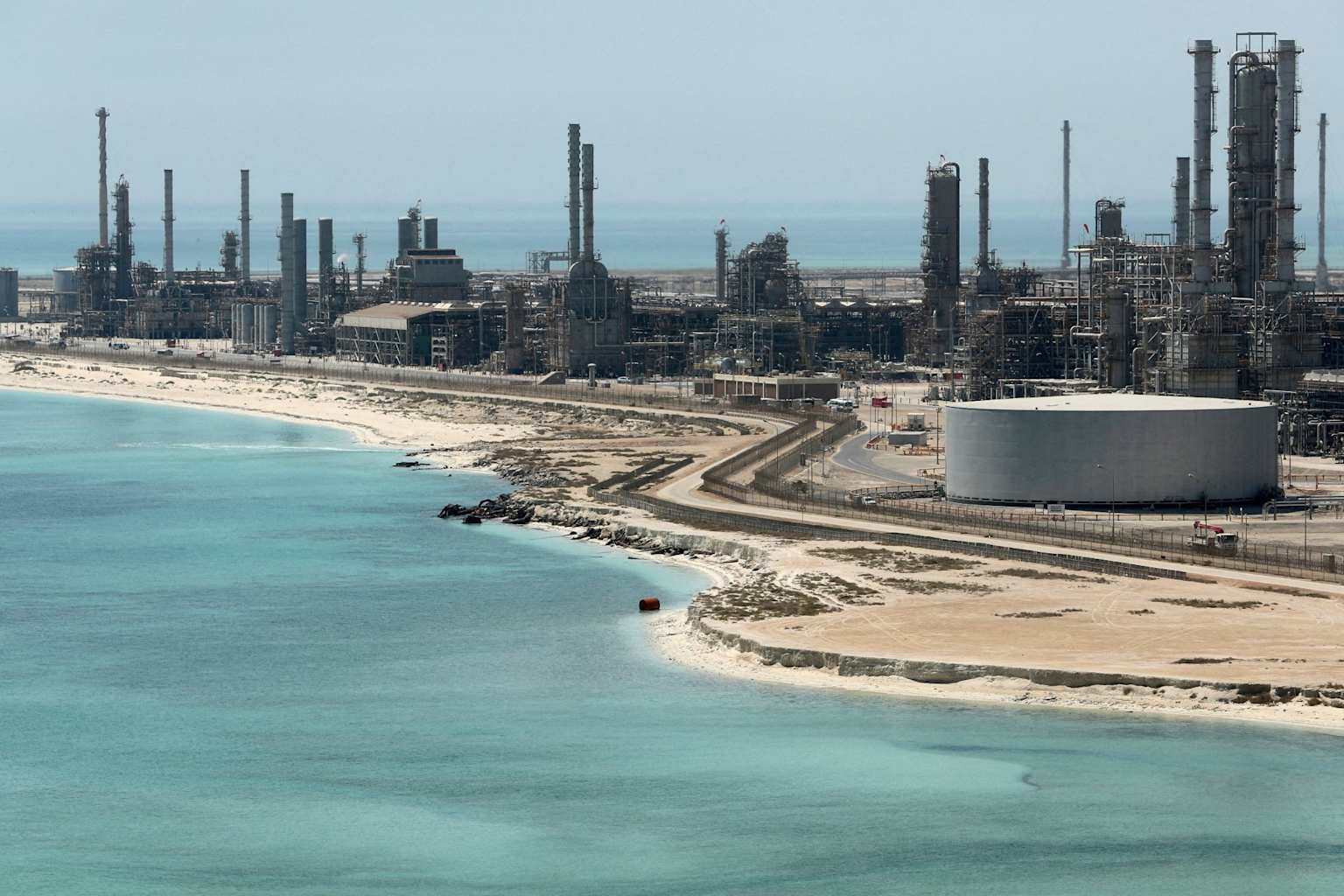
reuters+1reuters+1cnbc+1Saudi Aramco continued loading crude at its Ras Tanura terminal on Monday, with a fourth very large crude carrier seen taking on oil, even as the volatile security environment in the Strait of Hormuz persists and a day after a company helicopter crashed at the facility killing 14 people.
The helicopter belonging to Saudi Aramco crashed at Ras Tanura at around 6 a.m. local time on Sunday, killing all 14 people on board, all Saudi nationals, according to Saudi state news agency SPA. The crash did not appear to disrupt loading operations at the terminal, which is the world's largest oil export facility.aljazeera+1
Reuters reported Monday that Middle East energy producers were pushing ahead with oil and LNG loadings despite renewed attacks on shipping near the strait. Three VLCCs that loaded crude at Ras Tanura switched off their tracking transponders after departing the terminal, with one re-emerging on Monday headed for Japan, according to the report. Each VLCC can carry approximately 2 million barrels of oil.energynewsbeat+2
The loadings mark a rapid escalation in Saudi export activity since Aramco resumed operations at Ras Tanura on Friday, June 26, ending a nearly four-month shutdown that began when Iran effectively closed the Strait of Hormuz in early March.cnbc+1
The export push comes despite an attack on June 25 in which a drone struck the Evergreen Marine container ship Ever Lovely near Oman's coast, prompting the International Maritime Organization to pause its evacuation plan for stranded vessels. President Donald Trump condemned the strike as a "foolish violation" of the ceasefire, and U.S. Central Command carried out retaliatory strikes on Iranian missile and drone storage sites.aljazeera+2
Iran's Islamic Revolutionary Guard Corps has continued to warn that ships must follow Tehran-approved transit routes through the strait, underscoring the fragile nature of the reopening. Despite those threats, at least 37 vessels transited or were transiting the strait in the days following the attack, according to NBC News analysis of MarineTraffic data.cnbc+1
Iran has also accelerated oil shipments after Washington issued a sweeping 60-day sanctions waiver on June 23, allowing Tehran to produce, sell, and receive payment for crude oil in U.S. dollars through August 21. The waiver, known as General License X, is the most extensive relaxation of U.S. oil sanctions on Iran since the 1979 Islamic Revolution.facebook+1
Bloomberg reported that 11 tankers carrying a combined 20 million barrels left the Iranian port of Chabahar in the week following the interim peace deal. The consultancy Kpler estimated that over 20 tankers carrying approximately 35 million barrels of crude had navigated through the Strait of Hormuz since the U.S.-Iran agreement. The continued loading activity from both Saudi Arabia and Iran signals producers' determination to restore exports despite the unpredictable security landscape.bloomberg+1


