Newsletter Subscribe
Enter your email address below and subscribe to our newsletter
[forminator_form id="25163"]

All voices matter
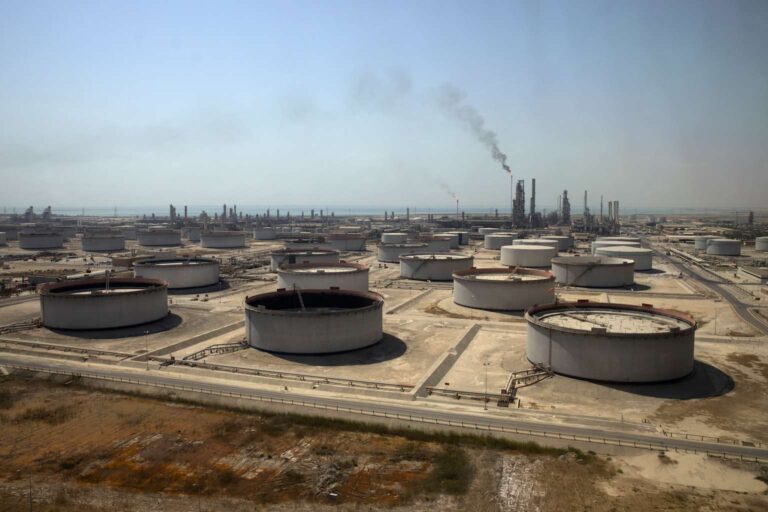
bloombergtheedgemalaysiatheedgemalaysiaSaudi Aramco set its official selling price for Arab Light crude to Asian buyers at $2 per barrel below the Oman/Dubai average for September, marking the lowest level since June 2020 and surprising traders who had expected prices to remain unchanged.investing+2
The state oil company cut the price by 50 cents from August's already-deep discount of minus $1.50 per barrel, which had itself been the largest reduction in more than two decades. Bloomberg columnist Javier Blas noted the $2 discount has only been observed twice in the past quarter-century.bloomberg+2
The pricing decision comes against a backdrop of shifting geopolitical dynamics in the Middle East. Iran said an agreement with Oman on a proposed route for shipping through the Strait of Hormuz was in its final stages, a potential step toward reopening the critical waterway for energy supplies. Brent crude has slumped this week on growing expectations that flows through Hormuz may soon increase, trading near $80 a barrel.theedgemalaysia
Yet the outlook remains uncertain. As the US conflict with Iran blocked Hormuz, Aramco diverted the bulk of its export volumes to the Red Sea port of Yanbu via the kingdom's East-West pipeline. Iran-backed Houthi militants this week threatened to attack Saudi vessels using that alternative route through the Bab El-Mandeb strait off Yemen's coast.theedgemalaysia
Aramco has sustained crude exports at about five million barrels a day, roughly 70% of its normal shipment levels, CEO Amin Nasser said on an earnings call on Tuesday. If the Red Sea route is also blocked, ships may be forced to sail north from Yanbu through the Suez Canal and around Africa, adding 20 to 25 days to Asian deliveries, Nasser said.theedgemalaysia
Aramco also cut prices for all crude grades to the US, Northwest Europe, and the Mediterranean, while raising prices only for its Medium and Heavy crudes to Asia — grades shipped from the Persian Gulf that remain in short supply with Hormuz still blocked. The Saudi-led OPEC+ group over the weekend agreed to another production quota increase, a move that remains symbolic given current constraints on Gulf exports but would eventually allow Saudi Arabia to ramp output toward 10.5 million barrels daily.theedgemalaysia