Newsletter Subscribe
Enter your email address below and subscribe to our newsletter
[forminator_form id="25163"]

All voices matter
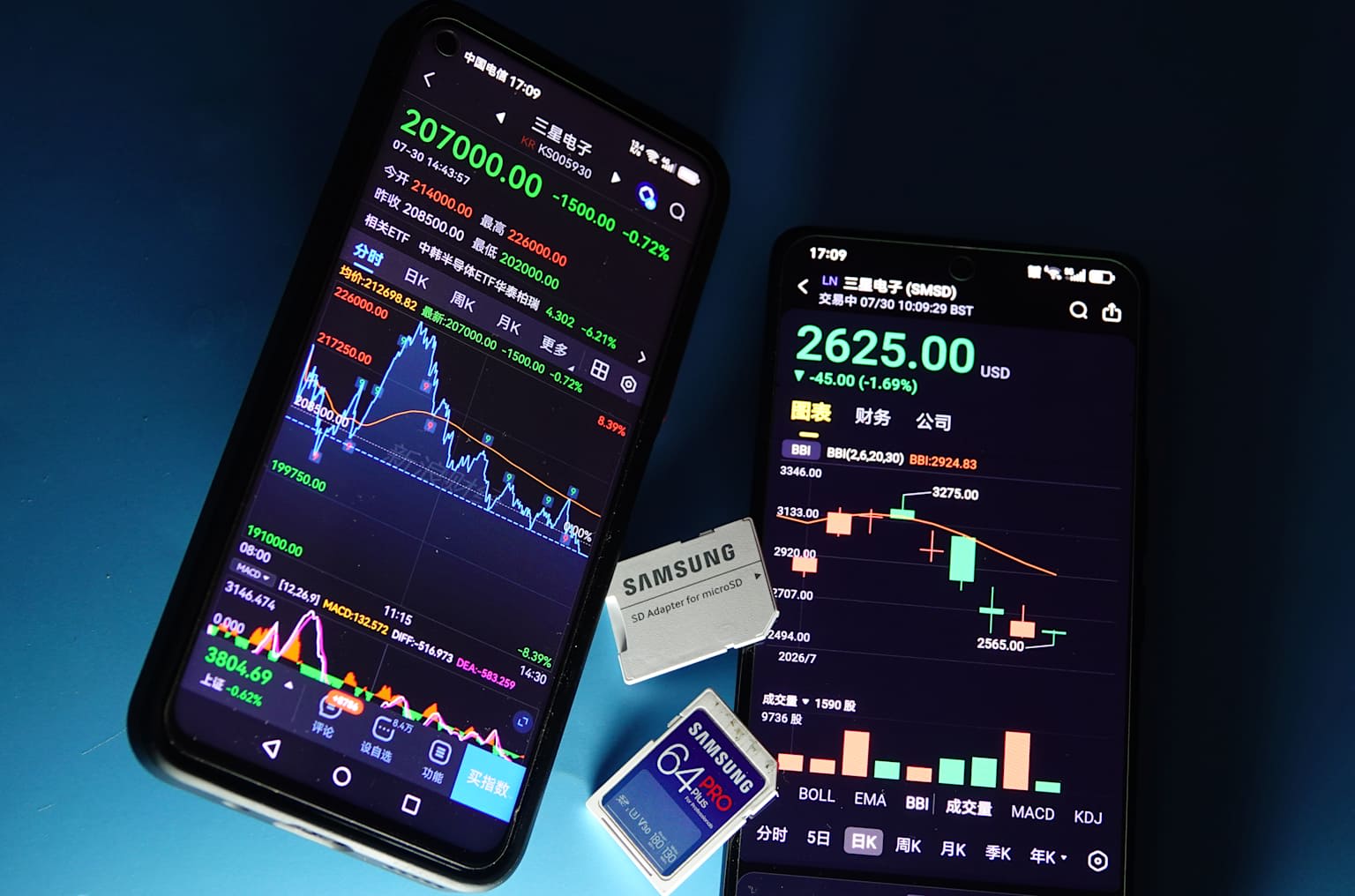
chosun+19to5google+1biz.chosun+1Samsung Electronics reported the first operating loss in the history of its smartphone business in the second quarter of 2026, a milestone that underscores the toll rising memory chip prices are taking on device makers even as they fuel record profits for semiconductor divisions.
The company's MX (Mobile eXperience) and Network divisions posted a combined operating loss of 700 billion won (approximately $476 million), Samsung announced on July 30 in its finalized Q2 results. The broader DX (Device eXperience) division, which also includes TVs and home appliances, recorded a total loss of 800 billion won.9to5google+2
The loss came despite robust demand. MX division revenue rose roughly 14% year-over-year to 32.3 trillion won, driven by steady Galaxy S26 series and expanded Galaxy A series sales. Smartphone unit shipments also increased from the prior quarter. Yet surging prices for DRAM and NAND memory — components Samsung itself manufactures but sells at market rates internally — overwhelmed any revenue gains.chosun+2
Samsung had never posted a loss in its mobile business since entering the market in the mid-1990s, surviving the 2014 wave of low-cost Chinese competition, the 2016 Galaxy Note 7 recall, and the COVID-19 pandemic without slipping into the red. Even in Q3 2016, when discontinuation costs from the Note 7 were booked, the division eked out 100 billion won in profit.biz.chosun+1
The memory price surge — dubbed "RAMageddon" by industry observers — stems from insatiable AI server demand redirecting supply away from mobile-grade chips. Samsung acknowledged during its earnings call that the proportion of price-sensitive products in smartphone demand had decreased due to memory supply shortages. Analysts had flagged the risk for months; internal concerns surfaced as early as March.9to5google+1
Apple has reportedly sought U.S. government permission to use chips from China's Changxin Memory Technologies outside the United States as a hedge against rising costs, signaling the pressure extends beyond Samsung.biz.chosun
With Samsung Securities projecting the MX and Network divisions could lose 5.8 trillion won for all of 2026 and 15.2 trillion won in 2027, attention is turning to DX division head and CEO Roh Tae-Moon. Academics and industry observers argue that management had ample warning but failed to lock in supply contracts, diversify sourcing, or adjust pricing in time.chosun+1
Samsung said it will focus on premium products in the second half — including the Galaxy Z Fold 8 series, Galaxy Tab S12, and Galaxy Watch Ultra 2 — while recalibrating procurement and marketing spending. But it also forecast that annual smartphone shipments would decline, offering no concrete cost-reduction targets.biz.chosun+2