


Newsletter Subscribe
Enter your email address below and subscribe to our newsletter
[forminator_form id="25163"]

All voices matter
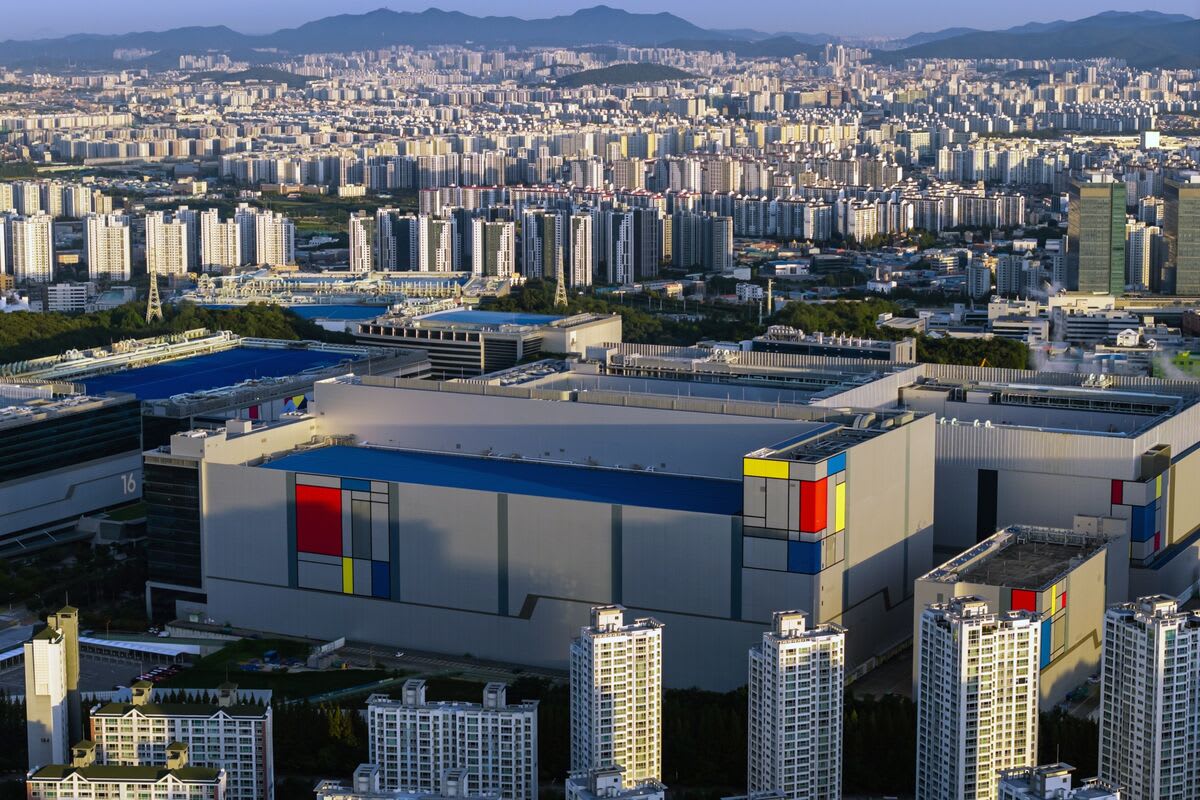
news.samsung+1.reuters+1.reuters.Samsung Electronics said its third-quarter operating profit came to about 107.4 trillion won ($80 billion). It is the first time the company's quarterly operating profit has topped 100 trillion won, and it reflects booming demand for memory chips used in artificial intelligence. The South Korean company released the preliminary guidance on Thursday, Oct. 8, Seoul time. Operating profit rose 782.5% from 12.17 trillion won a year earlier, and revenue rose 126.6% to about 195 trillion won.cnbc+2
This was Samsung's fourth quarter in a row of record operating profit. The Korea Times reported that Samsung is now the first Korean company to earn more than 100 trillion won in operating profit in a single quarter. The Wall Street Journal News Corp noted that the quarter's profit is more than double what Samsung earned in all of 2025.reuters+2
The profit figure came in above the LSEG SmartEstimate of 106.1 trillion won, Reuters reported. That consensus had been cut by 7.7% since the end of August because memory price gains were slowing and the won was getting stronger. Bloomberg said the result fell short of the 108.7 trillion won analysts had expected on average in its survey. Revenue was also weaker than expected: Korea JoongAng Daily put the forecast at 200.3 trillion won.bloomberg+3
Samsung gave a range of 107.3 trillion to 107.5 trillion won for operating profit and 194 trillion to 196 trillion won for sales. Compared with the second quarter, when it earned 89.49 trillion won on sales of 171.5 trillion won, operating profit grew 20% and revenue grew 13.7%. Samsung shares fell in trading after the announcement.news.samsung+2
Samsung did not give a breakdown by business division. However, analysts estimate the memory business alone made about 110 trillion won in operating profit. That figure is higher than the company total because other units are thought to have lost money. Supplies of standard DRAM and NAND chips are tight, and demand for high-bandwidth memory (HBM) is growing. Together, these have pushed prices up. Douglas Kim of Douglas Research Advisory estimated that Samsung's HBM shipments, measured in bits, grew by nearly 50% from the previous quarter. The Korea Times said sales of HBM4 chips for Nvidia's Vera Rubin platform are likely showing up fully in this quarter's results.koreatimes+1
The chip boom is hurting other parts of the company. Higher memory prices raise costs for Samsung's own smartphones and consumer electronics. The Device Experience division, which makes finished products, is expected to post an operating loss for the second quarter in a row. A stronger won may also have cut into the value of sales abroad when converted back into won.reuters+1
Analysts expect memory supply to keep falling short of demand, and the gap could widen in 2027 as AI takes up more of the world's memory capacity. Samsung will release full results, including a breakdown by division, on Oct. 29.reuters


