Newsletter Subscribe
Enter your email address below and subscribe to our newsletter
[forminator_form id="25163"]

All voices matter
islamtimesusatoday+1thenewsThe Trump administration this week launched an expansive economic pressure campaign against Iran, drawing swift condemnation from Tehran and resistance from several of its trading partners, while Pakistan moved to clarify remarks that had been interpreted as a direct rebuke of Washington.
US Treasury Secretary Scott Bessent announced "Operation Economic Outcast" on August 24, describing it as "an unprecedented campaign against the Islamic Republic of Iran and its enablers." The initiative targets five sectors — digital assets, technology, gold, aviation and shipping — and imposes sanctions on more than 60 entities, individuals and vessels accused of helping Iran generate revenue, procure missile technology and conduct cyber operations.usatoday+2
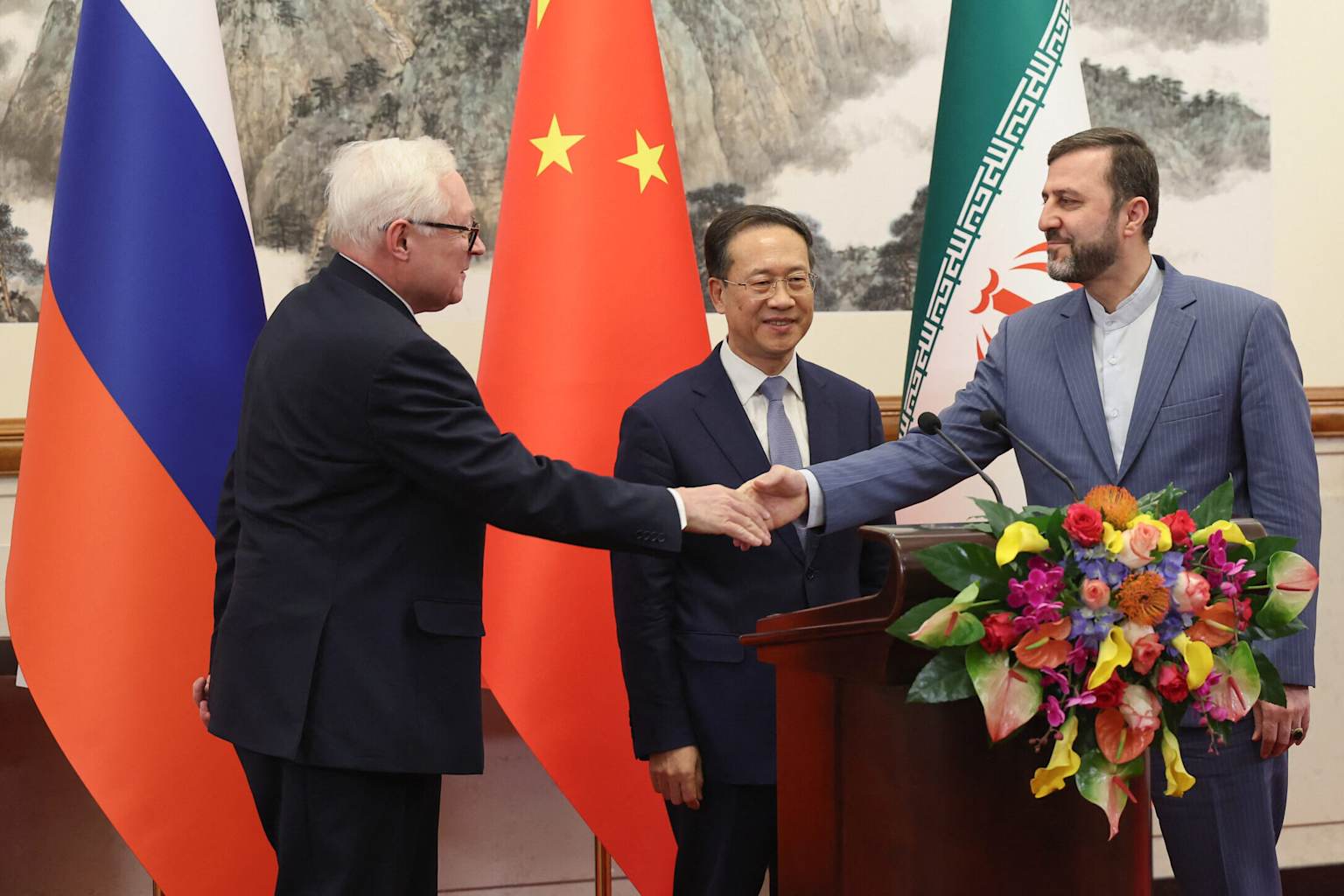
China was among the first to object. "China has made clear on many occasions its firm opposition to illicit unilateral sanctions that have no basis in international law or the authorization of the UN Security Council," Chinese Foreign Ministry spokesperson Lin Jian said on Tuesday. Beijing, which purchases an estimated 80 to 90 percent of Iranian oil, warned it would "do everything necessary to firmly safeguard its rights and interests."hani
Russia's Foreign Ministry spokeswoman Maria Zakharova said Thursday that Moscow "categorically rejects the use of unilateral and coercive measures" and would coordinate with Iran and other countries to counter the initiative.islamtimes
The situation with Pakistan proved more complex. Iranian media initially quoted Pakistani Foreign Office spokesperson Tahir Andrabi as saying Pakistan does not accept unilateral US sanctions and would continue trade with Iran. However, Pakistani authorities later clarified that those remarks were "misconstrued," stating that "Pakistan, in principle, doesn't comment on the US regime of sanctions on Iran and refrains from their interpretation." Islamabad emphasized its role as lead mediator focused on a peaceful resolution between Washington and Tehran.mehrnews+2
Iranian President Masoud Pezeshkian said Wednesday that "America will not achieve anything with economic pressure at this stage, just as it was unable to achieve anything in the war," according to the AFP. Foreign Minister Abbas Araghchi sent a formal letter to UN Secretary-General António Guterres describing the measures as "economic terrorism" and demanding full compensation for damages under international law. He urged the Security Council to "condemn and reject" the sanctions and called on member states to refuse to implement them.yenisafak+3
The economic campaign comes nearly six months into a conflict that began with US and Israeli strikes on Iran in late February. Iran has kept the Strait of Hormuz largely closed, while Washington maintains a naval counter-blockade. Oman is currently negotiating a temporary transit corridor with Tehran to restore some shipping through the waterway.bssnews
The sanctions also risk complicating US-China relations ahead of a summit between President Trump and Chinese President Xi Jinping scheduled for September 24. Notably, Washington left Chinese financial institutions off its latest blacklist — a move analysts interpret as an attempt to pressure Beijing without provoking a broader confrontation. Among those targeted were four Indian companies and three Indian citizens accused of importing approximately $119 million in Iranian petroleum products, as well as around 20 China- and Hong Kong-based entities.rtvonline+1
Trump, asked Wednesday about a timeline for talks with Iran, told Al Jazeera: "I have no time schedule, none. I'm not in a hurry."bssnews