


Newsletter Subscribe
Enter your email address below and subscribe to our newsletter
[forminator_form id="25163"]

All voices matter
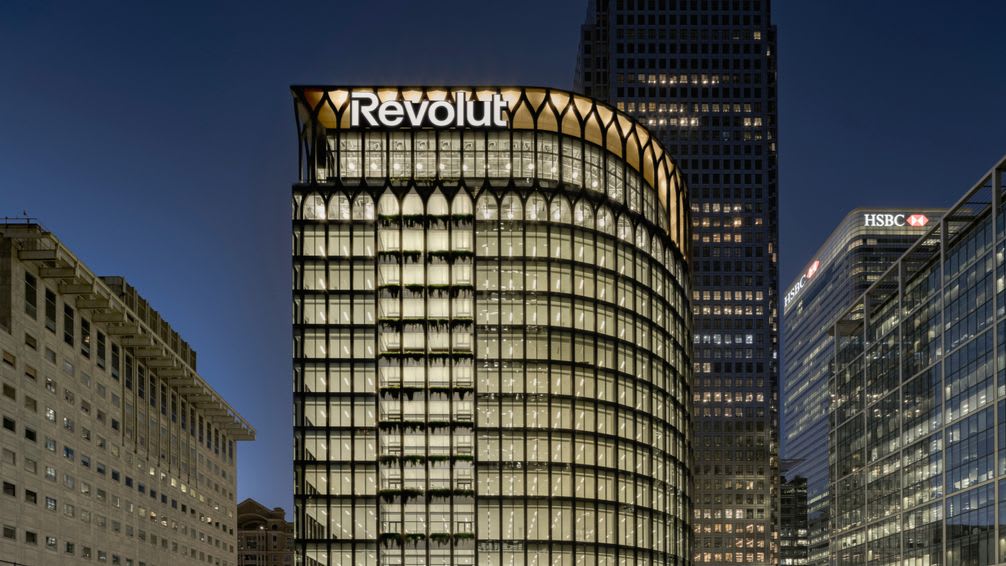
live.euronext.com+1LinkedIn+1live.euronext.com+1British digital bank Revolut launched a secondary share sale on Wednesday that values the company at $115 billion, a spokesperson confirmed to Reuters, cementing its position as Europe's most valuable fintech and surpassing the market capitalizations of established lenders including Barclays and Deutsche Bank .live.euronext.com+2
The sale prices each share at $2,017, representing a more than 50% jump from the $75 billion valuation Revolut achieved in a previous secondary offering in November 2025. The transaction allows employees and early backers to cash out their holdings, with the company targeting at least $750 million in proceeds, though reports from The Information in June indicated demand could reach as high as $2 billion.MarketScreener+3
The tender offer is being led by existing investor Glade Brook Capital Partners, according to earlier reporting by Bloomberg and The Information. The news of the sale's launch was first reported by Bloomberg, citing an internal message to staff.LinkedIn+2
Founded in 2015 as a foreign-exchange card, Revolut has expanded into a financial super-app spanning banking, crypto trading, stocks, savings, and insurance across 39 markets. The company reported $6 billion in revenue for 2025, a 46% year-on-year increase, alongside a record $2.3 billion in profit before tax. NVIDIA Corporation's venture arm, NVentures, is among its shareholders after investing approximately $196 million, according to UK Companies House filings.TechCrunch+2
The valuation leap follows several milestones: Revolut secured a full UK banking license in March 2026 and has applied for a US banking charter. At $115 billion fully diluted, it is now roughly on par with BNP Paribas and dwarfs UK peers such as Lloyds and NatWest .Bloomberg+2
The secondary sale serves as a liquidity event while Revolut continues to weigh a public listing. According to Fortune, investors are pricing in an eventual IPO at a valuation exceeding $200 billion. For now, the company—barely a decade old—has chosen to remain private, testing investor appetite through successive secondary rounds rather than listing on public markets.Fortune


