Newsletter Subscribe
Enter your email address below and subscribe to our newsletter
[forminator_form id="25163"]

All voices matter

cnbcunited24media+1shell+1Europe is on track to enter the 2026-27 heating season with its lowest natural gas reserves in at least 15 years, raising alarms about energy costs and supply security across the continent as global LNG markets remain strained by conflict in the Middle East.
EU gas storage facilities stood at roughly 48% of capacity in late June, according to data from the European energy data platform AGSI, and are projected to reach only about 76% full by late October — far below the bloc's traditional 90% target. The Financial Times News Corp reported on June 29 that this would mark the lowest peak for stored gas since at least 2011.united24media+2
The deficit traces back to a harsh winter that drained inventories to just 28% by the start of the injection season. Energy Aspects, a consultancy, noted that EU storage was 15 billion cubic meters below the five-year average as of late June, with the pace of injections insufficient to close the gap before cold weather returns.energyaspects+1
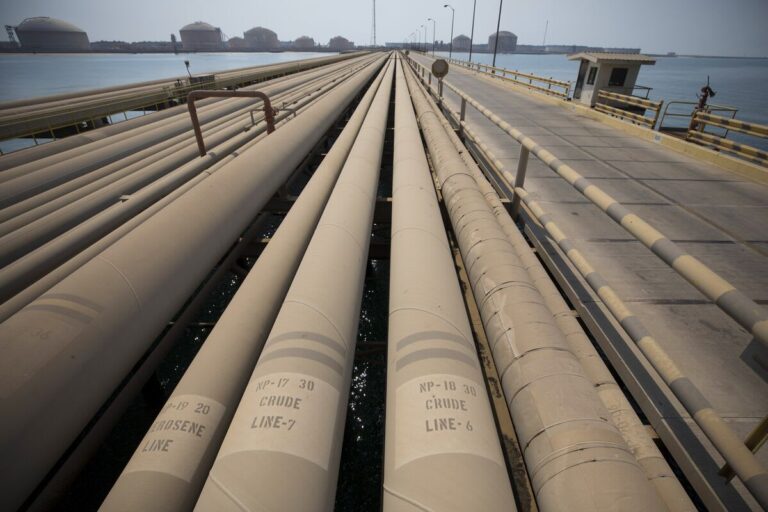
The tight supply picture has been worsened by shipping disruptions in the Strait of Hormuz following the Iran conflict. CNBC reported on July 1 that QatarEnergy extended a force majeure notice affecting 21 LNG cargoes bound for Italy — equivalent to about 2.7 billion cubic meters of natural gas — after Iranian missile attacks in March damaged two LNG-producing trains at Ras Laffan, curtailing roughly 17% of Qatar's exports. Shell , in its annual LNG Outlook published June 30, warned that global LNG trade could remain flat in 2026 if Hormuz shipping does not normalize this summer.shell+2
Asian LNG imports fell nearly 4% in the first half of 2026 compared with the same period last year, according to Reuters, reflecting competition for scarce cargoes that is keeping prices elevated globally.reuters
Dutch TTF benchmark gas prices have been trading in the range of 43–49 EUR/MWh in recent weeks. Energy Aspects said the case for TTF remaining elevated through the third quarter "is well-founded by the fundamentals". The Institute for Energy Economics and Financial Analysis warned in June that a sustained rise in wholesale electricity prices could add up to €120 per year to European household bills.barchart+3
The European Commission has acknowledged that energy poverty — defined as households forced to reduce energy use to levels that harm health — remains a pressing challenge driven by high energy costs and low incomes. With storage unlikely to reach comfortable levels before winter, analysts see limited relief ahead for consumers and industry alike.energy.europa