


Newsletter Subscribe
Enter your email address below and subscribe to our newsletter
[forminator_form id="25163"]

All voices matter
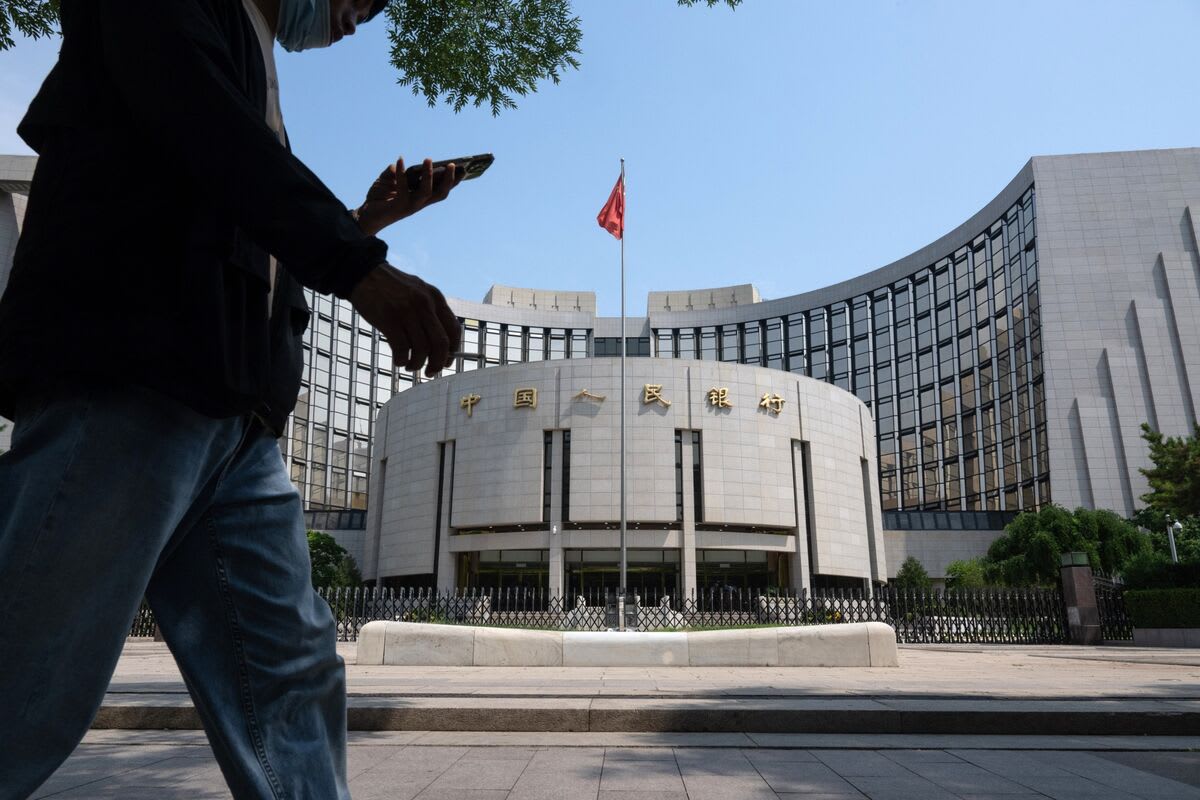
reuters+1.reuters.reuters+1.China's central bank said on Thursday, Oct. 8, that it has never pursued competitive depreciation of the yuan. The statement came as European officials push for a stronger Chinese currency and EU trade chief Maros Sefcovic was in Beijing for talks on the bloc's trade deficit with China.reuters
The People's Bank of China published a formal policy paper, with an English translation, that defended how it manages the yuan. The paper said exchange-rate changes will not fix the structural problems behind global imbalances and credited China's export strength to the competitiveness of its industry.bloomberg
"China neither needs nor intends to obtain a trade-competitive advantage through exchange-rate depreciation, and has never engaged in competitive currency depreciation," the central bank said. It also turned the argument back on its critics. It said that blaming other countries' exchange rates for weaker industry and looser fiscal and financial discipline at home "amounts to evading and shirking one's own responsibility for making necessary adjustments". The South China Morning Post described the paper as accusing critics of "dodging accountability".scmp+1
China's trade surplus hit a record of nearly $1.2 trillion in 2025, about 6% of GDP. EU data show the bloc's deficit with China reached €360.6 billion that year, up 15% from 2024. European leaders worry about a "China Shock 2.0," a new surge of Chinese exports into their markets.reuters
The pressure has grown over recent months. In June, European Central Bank President Christine Lagarde urged world leaders to discuss the undervaluation of China's currency. German Chancellor Friedrich Merz has said the yuan is undervalued by 25% to 30% and has called for a dialogue with Beijing on monetary policy. In August, Goldman Sachs The Goldman Sachs Group, Inc. said some of its models show the yuan undervalued by at least 20%.finance.yahoo+1
The central bank said exchange rates reflect many economic and financial factors, and that estimates from individual models do not prove the yuan is undervalued. It said the yuan has gained about 23% against the dollar since China's 2005 exchange-rate reform, moving from 8.27 per dollar to around 6.7. It added that the currency's outlook is uncertain, with forces pulling it both up and down. The yuan has risen about 4% against the dollar this year.finance.yahoo
"The People's Bank of China does not preset an exchange-rate target level, does not intervene in the long-term trend of the exchange rate, and maintains exchange-rate flexibility and two-way movement," the bank said.live.euronext
Critics are not convinced. Writing for the Council on Foreign Relations in August, Brad Setser said the central bank's daily fixing and foreign-currency buying by state banks keep the yuan from strengthening. He argued that "the yuan, in other words, goes where the PBOC wants it to go".cfr
The central bank said China will start reporting more foreign exchange data to the International Monetary Fund in 2027. It also said that under the 2026–2030 plan, China will shift toward growth led by domestic demand, with more consumption and investment.reuters


