Newsletter Subscribe
Enter your email address below and subscribe to our newsletter
[forminator_form id="25163"]

All voices matter
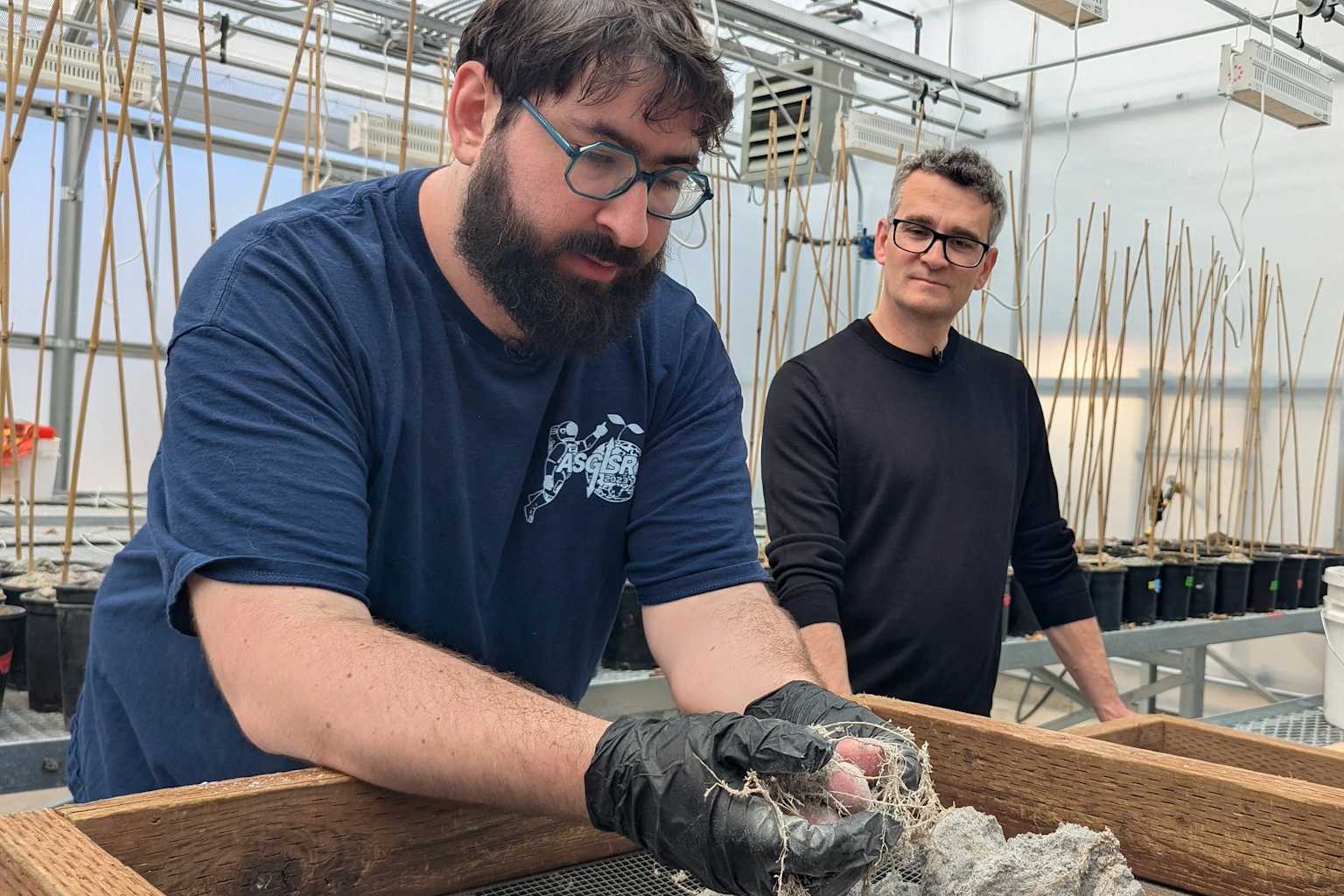
reuters.com.nature.com+1.news.oregonstate.edu+1.Potatoes grown in simulated Moon soil mixed with worm compost grew as well as potatoes grown in some of the best potato farmland on Earth, Oregon State University researchers reported this week. The tubers were safe to eat and just as nutritious, according to the university.news.oregonstate.edu
The NASA-funded study appeared in npj Microgravity. It tackles a central question for NASA's Artemis program, which aims for a lasting human presence on the Moon. That goal will require growing food there instead of relying on costly resupply missions from Earth, the university said.nature.com+1
The team grew Modoc potatoes, an early-maturing variety with red skin and white flesh, in a greenhouse, Reuters reported. They tested five regolith simulants that mimic both the Moon's mare and highland regions. The comparison soil came from Hermiston, Oregon, an area known for some of the highest potato yields in the world, Oregon State said.reuters.com+1
Plants grown in pure simulant were stunted and had underdeveloped roots. Mixes with 5% to 15% vermicompost, an organic fertilizer made by earthworms, brought only partial recovery. A blend of 30% vermicompost matched the growth of plants grown in Earth soil, according to the university. At that level the yield was identical to the Hermiston soil, Reuters reported. Because the plants grew in small pots, the tubers were small, generally under 10 grams even in Earth soil.news.oregonstate.edu+1
"Lunar regolith does not contain any nitrogen, so no crop would grow without supplementing it," senior author Aymeric Goyer told Reuters.reuters.com
Lunar regolith also contains high levels of heavy metals such as copper. "Without organic matter, potatoes take up too much heavy metals, which can become toxic for the plants," Goyer said. He told El País that the compost likely binds copper ions and limits how much the roots absorb.english.elpais.com+1
"We believe the compost helps balance some of the toxicity we see in lunar regolith by reducing plant exposure to harmful compounds," said first author David Handy, a postdoctoral researcher in Goyer's lab, according to Oregon State. The tubers kept their nutritional quality and showed no statistically significant rise in glycoalkaloids, the natural potato toxins often linked to green patches under the skin.news.oregonstate.edu
The authors say they are the first to show that tubers grown in lunar regolith simulants are nutritionally comparable to Earth-grown ones, Sci.News reported. They suggest that regolith farming may not work for the earliest food production on the Moon, but it could become a long-term option if organic matter is added continually, Cosmos reported. Astronauts could bring a small starter supply of compost and then make more from food scraps and plant waste. A coming paper will compare 10 potato varieties, Oregon State said.connectsci.au+2
Nobody has tasted the potatoes yet. "Unfortunately, we have not tasted them yet. We used what we harvested for lab analyses," Goyer said.english.aawsat.com