Newsletter Subscribe
Enter your email address below and subscribe to our newsletter
[forminator_form id="25163"]

All voices matter
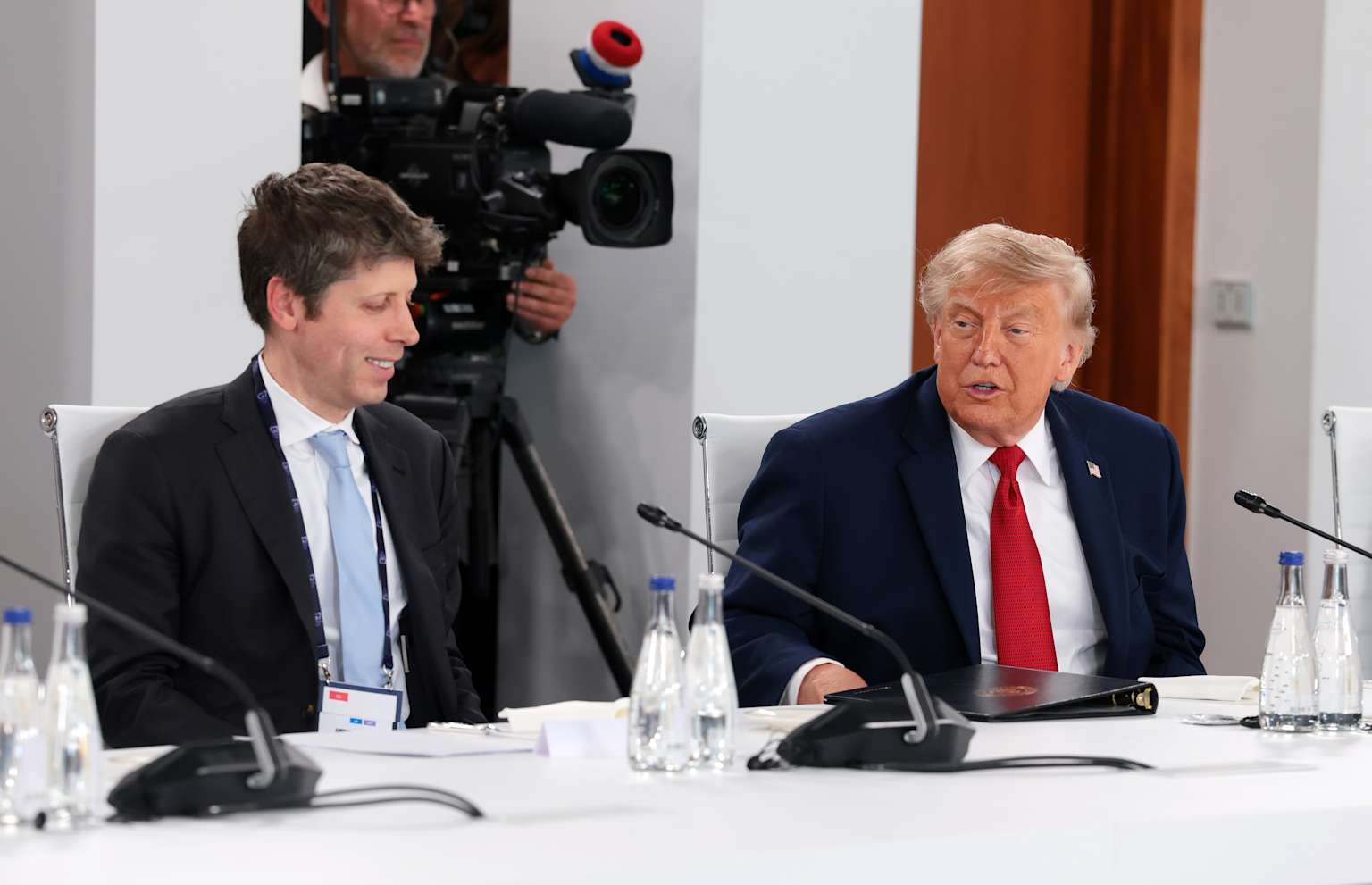
wsau+1mlq+1notus+1OpenAI has proposed giving the U.S. government a 5% equity stake in the company, the Financial Times reported on Tuesday, a move that would be worth approximately $42.6 billion based on the AI firm's $852 billion post-money valuation from its March funding round.wsau+2
The proposal marks the most concrete offer yet to emerge from months of discussions between CEO Sam Altman and senior Trump administration officials about how to distribute the economic benefits of artificial intelligence more broadly to the American public.
Altman first pitched the concept of government ownership in AI companies directly to President Trump in early 2025, according to NOTUS, which first reported on the discussions in June. The idea has since evolved into a formal policy framework: OpenAI published a 13-page document in April titled "Industrial Policy for the Intelligence Age," proposing a U.S. public wealth fund that would provide citizens with "a stake in AI-driven economic growth".notus+2
The broader arrangement envisions other leading AI companies ceding similar stakes to a government vehicle modeled on the Alaska Permanent Fund, which distributes annual dividends to state residents. However, it remains unclear whether rivals would participate — Anthropic said in June it was not in conversations with the administration about providing equity.notus
The proposal arrives as OpenAI faces mounting political scrutiny from both parties. Senator Bernie Sanders met with Altman in June and called for a 50% government stake in AI companies. President Trump has spoken repeatedly about the concept, telling reporters aboard Air Force One that he has discussed "concepts where pieces could be given to the American public, where the American public essentially becomes a partner with the companies".ft+2
Within the administration, Cabinet members have debated how any equity would be structured. Treasury Secretary Scott Bessent has favored using AI equity to seed Trump Accounts, while Commerce Secretary Howard Lutnick has preferred directing stakes to a sovereign wealth fund, according to Semafor.aiweekly+1
The legal mechanism for transferring equity to the government remains unclear, and sources have cautioned that the deal may never materialize. The arrangement would be passive, with no board seats or voting rights for the government — similar to the administration's roughly 10% stake in Intel , which was finalized last year.latitudemedia+2
OpenAI's IPO timeline adds another layer of complexity. The New York Times reported in late June that the company is leaning toward postponing its public offering until 2027, with advisers debating whether to wait for a $1 trillion valuation. A government stake could provide regulatory goodwill ahead of any listing, though it would also subject taxpayers to the volatile AI market.wsj+1