Newsletter Subscribe
Enter your email address below and subscribe to our newsletter
[forminator_form id="25163"]

All voices matter
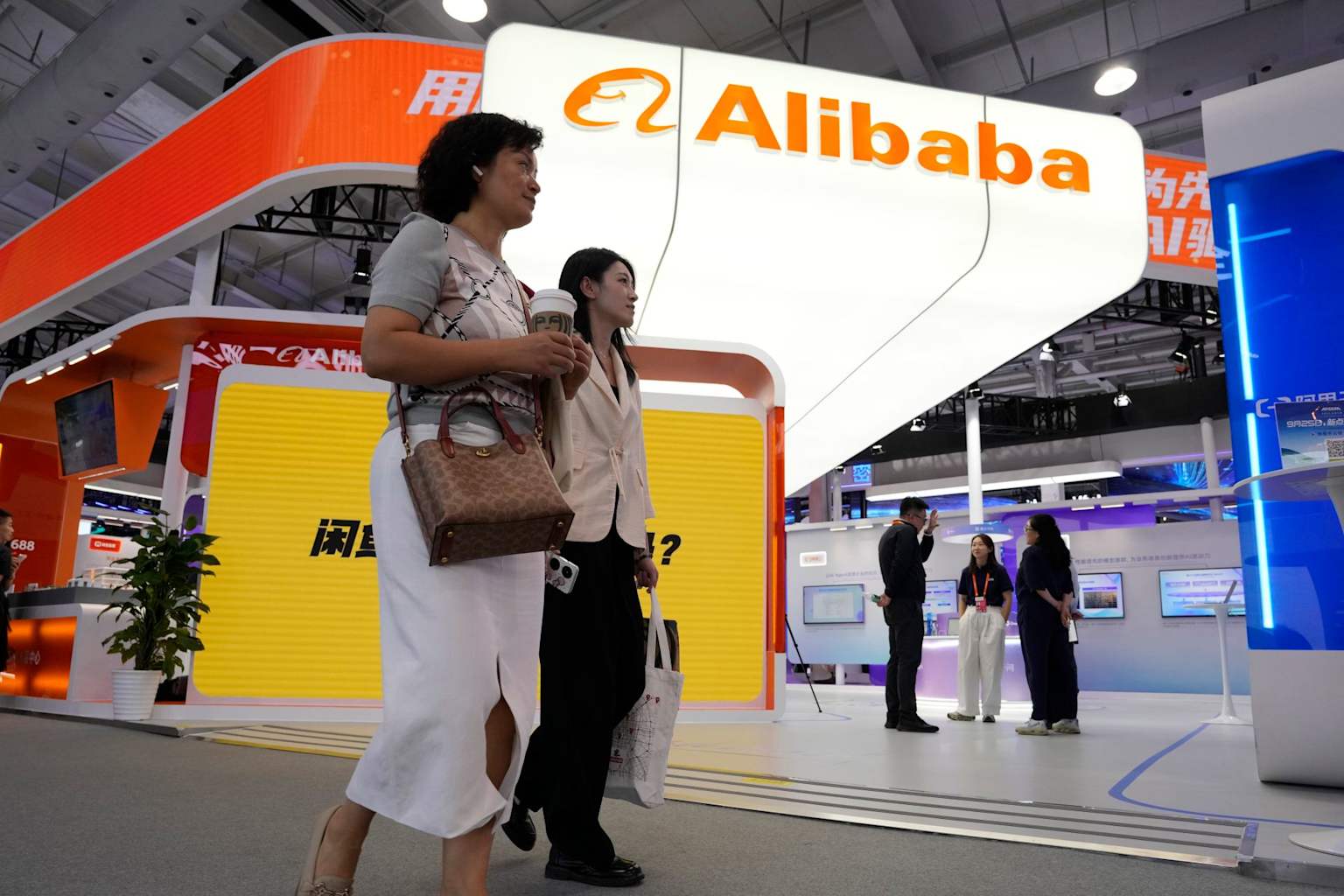
ftslguardian+1politicoOpenAI and Google Alphabet Inc. have confirmed they are supplying advanced artificial intelligence models to Singapore-based subsidiaries of Alibaba , Baidu , and Tencent, despite the parent companies' placement on the Pentagon's list of Chinese military companies, according to a Financial Times investigation published Thursday.ft+1
The revelations expose a gap in Washington's efforts to slow Beijing's AI development. While U.S. export controls restrict the sale of advanced AI chips to Chinese-owned entities abroad, no equivalent restrictions currently apply to AI model access — allowing blacklisted firms to use American AI services through overseas subsidiaries.ft+1
OpenAI told the Financial Times it blocks direct access to its models from mainland China but permits certain Chinese-owned companies to use its tools in jurisdictions where service is allowed, such as Singapore. Google confirmed a similar arrangement. The transactions are currently legal under U.S. regulations, which focus export restrictions on hardware rather than AI model access.investing+3
The Chinese firms use the American AI models to benchmark their own systems and, in some cases, to integrate U.S.-built capabilities into their products. The arrangement persists even as Washington has moved aggressively in recent months to close loopholes in its broader technology export control regime.kucoin
The disclosure comes amid intensifying scrutiny of gaps in U.S. AI restrictions. In June, the Pentagon expanded its list of "Chinese military companies" to 188 firms — up from 134 in 2025 — adding Alibaba, BYD, and Baidu for their connections to Chinese state entities. In late May, the Commerce Department issued guidance closing a separate loophole that had allowed Chinese subsidiaries abroad to purchase advanced Nvidia and AMD Advanced Micro Devices, Inc. chips without licenses.cnbc+2
On Capitol Hill, both Republican and Democratic lawmakers have introduced bills aimed at tightening AI export controls. A Politico report this week described bipartisan frustration with what one lawmaker called "a massive screw-up" in the existing framework.politico
The legal distinction between AI hardware and AI model access now faces direct political challenge. While chip controls have been progressively tightened, model-access restrictions remain largely unregulated — a gap that critics argue undermines the purpose of the broader containment strategy. Alibaba has separately sued the U.S. government to be removed from the Pentagon's blacklist, adding a legal dimension to an already complex geopolitical standoff.instagram