Newsletter Subscribe
Enter your email address below and subscribe to our newsletter
[forminator_form id="25163"]

All voices matter
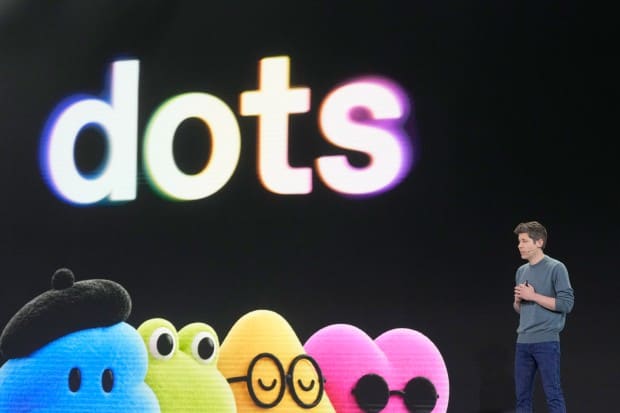
openai.com+1.finance.yahoo.com.finance.yahoo.com+1.OpenAI says its new Dots personal assistants use a lot of computing power. The company is now sending some of their work to a smaller, cheaper model. The admission adds to doubts about whether the industry can afford always-on AI agents. At a dinner with reporters in New York on Monday, November 2, Adam Fry, head of ChatGPT's consumer business, said Dots are "on the compute heavy side." He added that each assistant runs its own cloud computer to carry out tasks for users across their connected accounts.finance.yahoo.com
Rivals face the same problem. Elon Musk said this week that the cost of running Grok Bot, the personal assistant SpaceX launched in August, is "unsustainably high relative to revenue." He suggested the company was cutting back the computing power assigned to it, so users hit their limits sooner. The industry's push into agents follows the success of Meta's Muse assistant, according to Fortune.fortune.com
On Tuesday, November 3, OpenAI said it was expanding the models that power dots to include GPT-6.1 Terra. A dot can now use different models for different parts of its work. Terra is smaller and needs less computing power than GPT-6 Astra, which originally ran every Dots task. The new automatic router is meant to make Dots less compute-intensive.openai.com+1
For now, Dots are only available on the $100-a-month Pro plan. Fry said bringing them to more users depends on a breakthrough in compute efficiency, which he expects will come and drive costs down quickly. He also wants Dots to become an always-available presence through features like "background mode," which would mean using even more compute.finance.yahoo.com
Money is the other constraint. OpenAI has secured about $11 billion in commitments for its latest round, less than half of its $30 billion target, at a $1.25 trillion valuation, The Wall Street Journal News Corp reported. The company had hoped for $1.4 trillion. The Financial Times reported that OpenAI cut its goal to $20 billion, with a later offering for wealthy individuals meant to close the gap. OpenAI has not publicly confirmed the figures.wsj.com+1
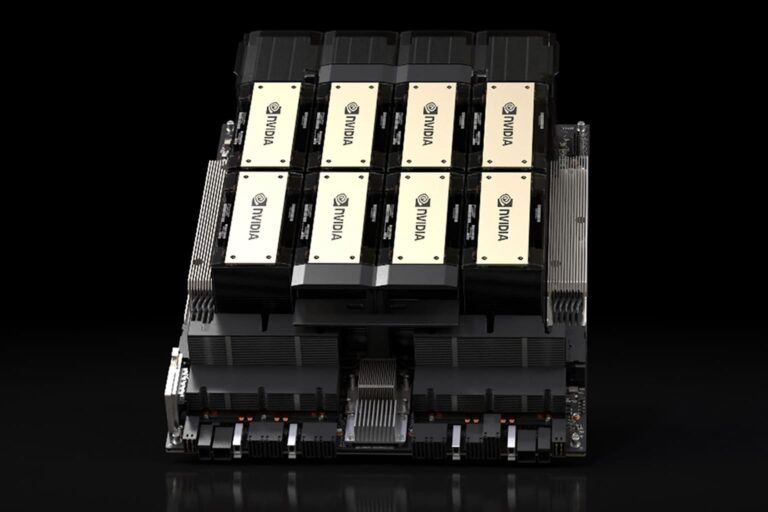
OpenAI relies mostly on Nvidia GPUs and plans to scale up production of its in-house chip, called Jalapeno, in 2027, Fortune reported. Anthropic, which uses four types of chips, has signed purchase agreements worth $895.4 billion, "substantially all of which is related to compute and infrastructure," according to its amended S-1. Even so, it lists the inability to secure more compute as a major risk. Fortune put the problem this way: "the more powerful—and constantly running—personal AI agents become, the more compute they consume. Will OpenAI ever be able to catch up with itself?"finance.yahoo.com