Newsletter Subscribe
Enter your email address below and subscribe to our newsletter
[forminator_form id="25163"]

All voices matter
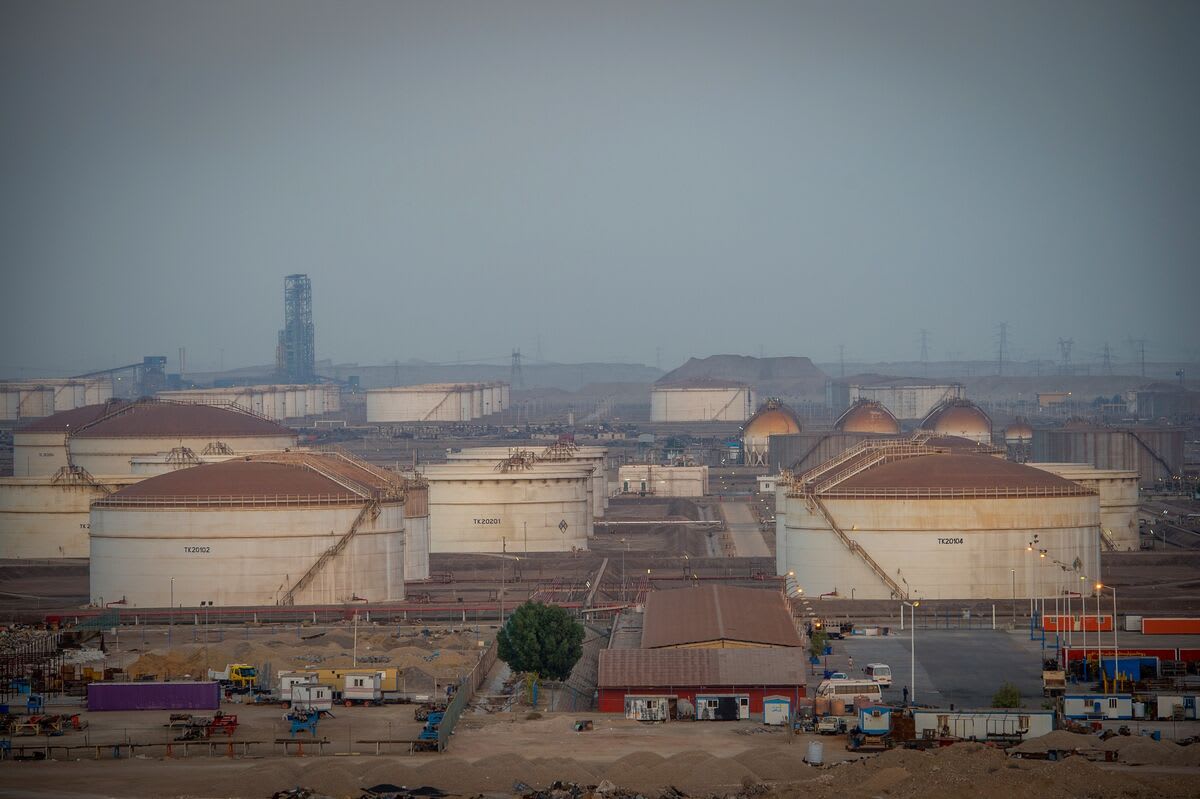
bloombergbloombergreutersOPEC's crude oil production continued its recovery from wartime lows in July, with gains in Kuwait, Saudi Arabia, and Iraq accounting for almost all of the increase, according to a Bloomberg survey published Tuesday. Supplies from the Organization of the Petroleum Exporting Countries rose by 1.16 million barrels a day to an average of 19.44 million barrels a day, though output remains well below pre-war levels.bloomberg
The rebound extends a trend that began in June, when OPEC production surged by 2.34 million barrels a day as Persian Gulf members restored some exports through the Strait of Hormuz. Kuwait's July output climbed to nearly 2 million barrels a day, its highest since the Iran conflict began.investinglive+2
Despite months of gains, the group's production remains dramatically below where it stood before the Iran war shuttered the Strait of Hormuz in March. Output collapsed by 7.56 million barrels a day that month alone, the steepest drop in at least four decades. Bloomberg noted that opaque shipping data has complicated tracking of the group's actual output, as flows through the Persian Gulf remain disrupted.bloomberg+1
A Reuters survey covering June found that eight OPEC members with quotas pumped 20.276 million barrels a day, which was 6.246 million barrels a day below their agreed targets. Russia's production of 8.928 million barrels a day was nearly 1 million below its quota.reuters
OPEC+ approved a September production increase of 188,000 barrels a day on Sunday, completing the rollback of voluntary cuts agreed in 2023. However, with shipping through both the Strait of Hormuz and the Bab al-Mandeb still constrained, the quota increase has limited practical effect.srnnews+3
Reuters columnist Clyde Russell wrote that the decision "carries little weight in the current market," noting three possible scenarios ranging from a comprehensive peace deal to sustained escalation. Saudi tankers have been rerouting around southern Africa to avoid Houthi threats, and an estimated 5 million barrels a day were moving through Hormuz without transponder signals.investinglive+1
After September, the group plans to pause further increases for the rest of the year, leaving roughly 2 million barrels a day in cuts dating to 2022 in place while members negotiate new production baselines for 2027.srnnews