Newsletter Subscribe
Enter your email address below and subscribe to our newsletter
[forminator_form id="25163"]

All voices matter
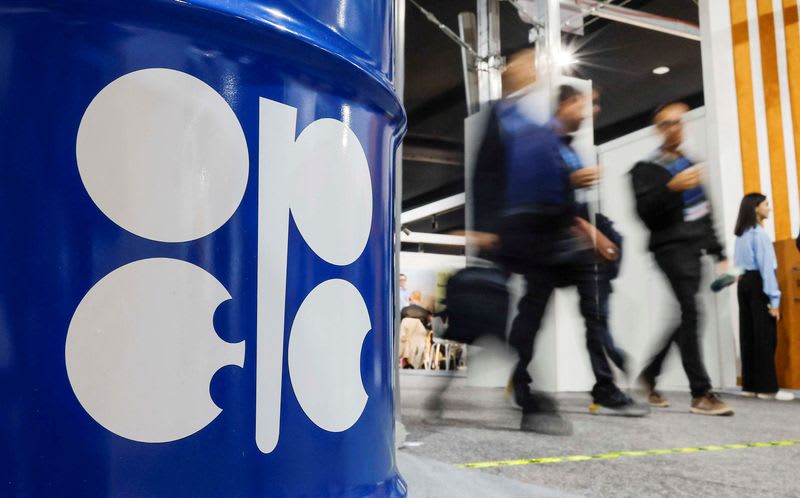
reuterswtaq+1bloomberg+1OPEC+ is likely to keep its oil output policy unchanged for October at a meeting on Sunday, three sources close to the matter told Reuters, as the producer group pivots from months of quota increases to a period of consolidation ahead of potentially contentious 2027 negotiations.wtaq
The decision would mark the first month since March without an increase by the seven core OPEC+ members — Saudi Arabia, Russia, Iraq, Kuwait, Algeria, Kazakhstan and Oman — who have been raising monthly production quotas for most of 2026. Russian Deputy Prime Minister Alexander Novak confirmed that the group does not plan production cuts, according to reports on September 2.reuters
Sunday's expected pause follows six consecutive monthly increases that completed the phased rollback of 1.65 million barrels per day in voluntary supply cuts first agreed in 2023. OPEC+ approved the final tranche of roughly 188,000 barrels per day for September at its August 2 meeting, according to Reuters.cnbc+2
However, the group still has roughly 2 million barrels per day of broader cuts in place, dating back to 2022, which are scheduled to remain through the end of 2026. OPEC+ is also reviewing members' oil production capacity to set 2027 output baselines. Texas-based DeGolyer and MacNaughton, which is conducting the review, is expected to submit its report by the end of September.energyconnects+2
The hold comes against a backdrop of weakening demand expectations. OPEC in August lowered its 2026 global oil demand growth forecast to 580,000 barrels per day, the fourth consecutive downward revision, driven mainly by softer consumption in China, India and the broader Asia-Pacific region.ecofinagency+1
Yet Brent crude has remained elevated amid supply disruptions tied to the Iran war, which continues to affect oil exports through the Strait of Hormuz. Brent traded near $94 per barrel in early September.fortune+2
The group's cohesion is also under strain. The United Arab Emirates left OPEC in May after disagreements over its production quota, and Venezuela is now weighing an exit as well, Bloomberg News reported last week. Iraq has also pushed for higher quotas to reflect its increased production capacity. Those pressures will likely intensify as the group approaches its year-end meeting to set new production baselines for 2027.wtaq+3