Newsletter Subscribe
Enter your email address below and subscribe to our newsletter
[forminator_form id="25163"]

All voices matter
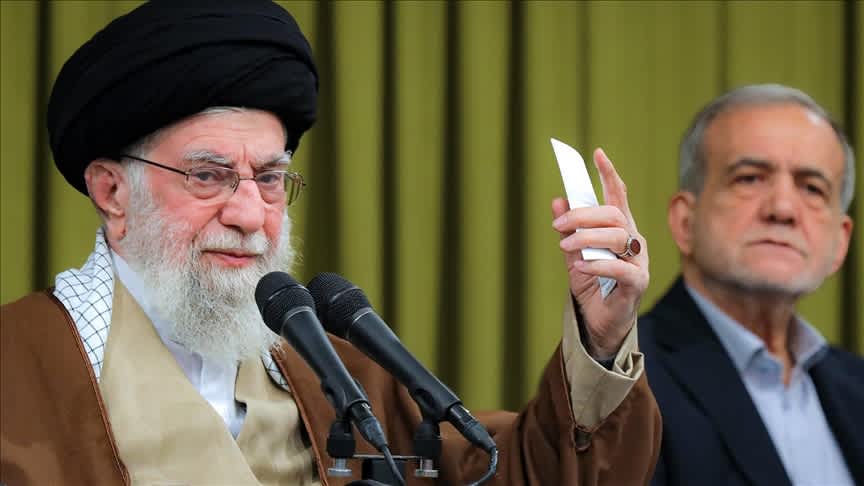
rigzone.com+1.fidelity.com.cnbc.com.Oil prices fell more than 7% on Monday, November 2, after Iranian President Masoud Pezeshkian said Supreme Leader Ayatollah Mojtaba Khamenei had given the government "certain authorities" over peace talks. Several days of Iranian talks with Qatari mediators added to hopes for an end to the US-Israeli war with Iran, Reuters reported. Brent crude, the international benchmark, fell below $106 a barrel in midday trading, and U.S. West Texas Intermediate dropped under $100. That partly reversed a risk premium traders had built up ahead of the U.S. midterm elections on Tuesday, November 3, according to CNBC Comcast Corporation .cnbc.com+1
"We are striving to resolve the issue through dialogue and, in this regard, the Supreme Leader has also granted certain powers to the government," Pezeshkian said, as quoted by Iran's state-run Islamic Republic News Agency, according to Rigzone. He did not say what those powers were. An official briefed on the Qatar-mediated talks said a draft proposal was being circulated and a follow-up meeting was possible, Reuters reported.rigzone.com+1
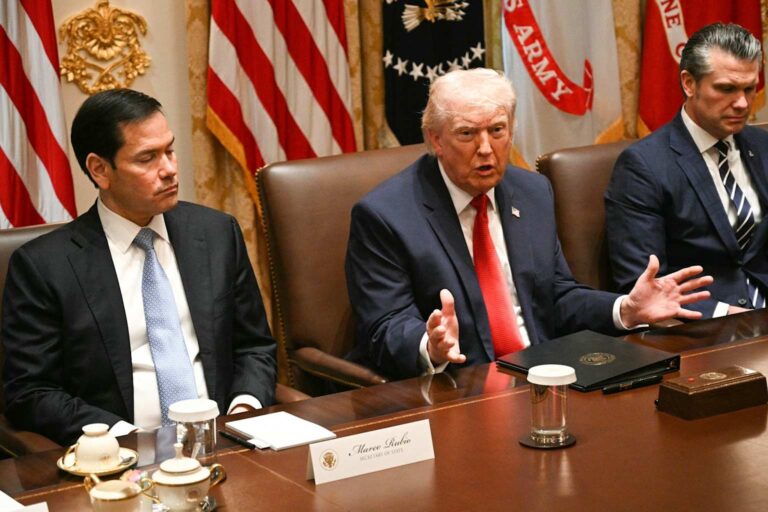
Iranian Foreign Minister Abbas Araghchi said a deal with the U.S. was possible if Washington "demonstrates goodwill." He said Tehran expects the U.S. to lift sanctions and its blockade and to cut its military presence in the region back to earlier levels, CNBC reported. In Washington, Secretary of State Marco Rubio said President Donald Trump "hasn't made a decision" on military action and "would prefer to do it peacefully." Axios reported that Trump told Israeli Prime Minister Benjamin Netanyahu he was open to giving diplomacy more time, according to Rigzone.cnbc.com+1
The signals were not all in one direction. Khamenei on Saturday ordered Iran's armed forces to answer "any level or type of threat" with "an immediate, impactful, and geographically unrestricted response," CNBC noted.cnbc.com
Brent finished October at a six-month high on fears the conflict could flare up again after the midterms, and on Friday it settled above $113, according to Forbes Middle East. The war began in late February and has disrupted shipping through the Strait of Hormuz. The world has drawn nearly 1 billion barrels from inventories since then, the head of ADNOC said, per Reuters.fidelity.com+1
Analysts warned against assuming the risk is gone. Raymond James analyst Pavel Molchanov said skepticism is warranted after many "false dawns" in recent months, Reuters reported. On Sunday, Goldman Sachs The Goldman Sachs Group, Inc. raised its forecasts and said Brent could reach $140 in 2027 if Gulf output stays 3.5 million barrels per day below its 2025 average.live.euronext.com
"So long as there is no concrete conclusion to the war, and tanker and Houthi attacks remain prevalent, we do not anticipate a complete erosion of the risk premium via diplomacy headlines alone," Ryan McKay of TD Securities The Toronto-Dominion Bank told CNBC.cnbc.com