Newsletter Subscribe
Enter your email address below and subscribe to our newsletter
[forminator_form id="25163"]

All voices matter
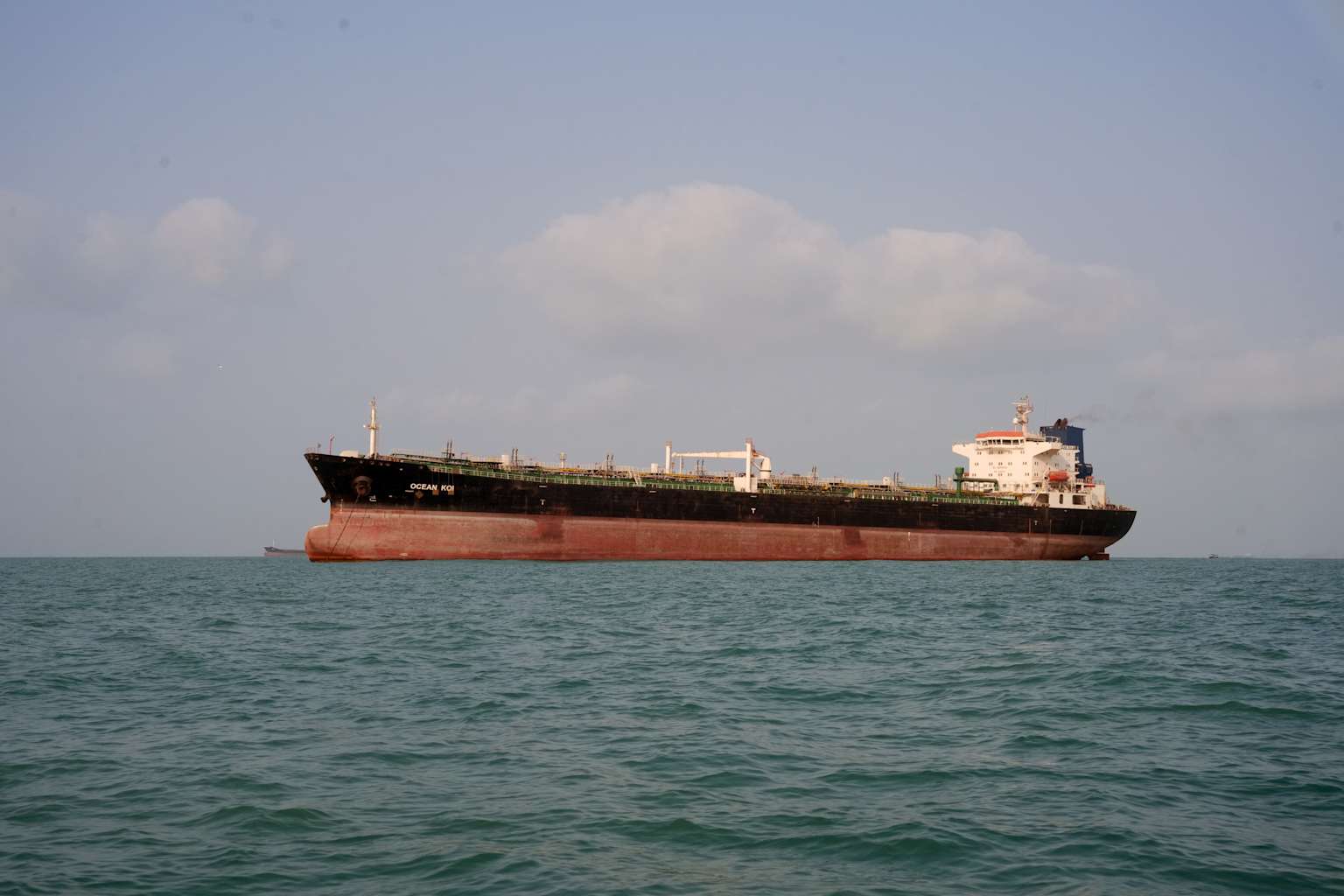
benzinga+1tradingnewstradingnewsBrent crude rose above $91 a barrel for a third consecutive session on Tuesday as the expiration of a U.S.-Iran ceasefire, attacks on commercial vessels, and a near-total collapse in shipping through the Strait of Hormuz combined to drive fears of a prolonged energy supply disruption.
The 60-day memorandum of understanding between Washington and Tehran, signed in June, expired Monday with no replacement. President Donald Trump rejected extending the interim deal and said he intends to inflict further economic pain on Iran through new sanctions. He repeated threats to declare the Strait of Hormuz U.S. territory and warned he would bomb Oman if it interfered with American plans for the waterway.benzinga+2
Iran's Foreign Minister Abbas Araqchi said Tehran has not decided whether to resume talks with Washington, while a senior Iranian official warned the country would shift to a "fully offensive" military posture if diplomacy fails. The standoff leaves no active diplomatic channel involving the United States, removing the nearest catalyst for de-escalation.tradingnews+1
Vessel transits through the Strait of Hormuz fell to five on Sunday, August 16, and zero on Monday, August 17 — down from 31 the prior weekend. On Wednesday, Bloomberg reported that two Chinese-linked supertankers, the Sea V and the Hestia, U-turned in the strait amid the elevated risks. A commercial vessel was struck by a projectile of unknown origin while departing the strait, killing or injuring one crew member, according to UK Maritime Trade Operations.bloomberg+2
Saudi Arabia has begun ship-to-ship crude transfers near Fujairah to bypass the chokepoint, loading roughly 6 million barrels onto three large tankers between August 12 and 16. Alternative pipelines, including a Saudi route to Yanbu and a planned Libya-to-Egypt line, can move hundreds of thousands of barrels per day but fall far short of the millions Hormuz normally carries.bolnews+1
Brent traded near $91 on Tuesday while WTI approached $85, with crude having gained more than 9 percent since hitting $78 on August 7. The S&P 500 futures fell roughly 0.5 percent, and the 30-year Treasury yield reached 5.323 percent — a nineteen-year high — as markets priced energy-driven inflation risk.benzinga+1
The U.S. Strategic Petroleum Reserve sits at its lowest level since 1982, limiting Washington's ability to cap prices through coordinated releases. The Energy Information Administration forecasts Brent averaging $85 in the third quarter, meaning the market is currently pricing about $6 of war premium above the agency's base case. Trump urged Americans to accept somewhat higher gasoline prices while the conflict continues.tradingnews