Newsletter Subscribe
Enter your email address below and subscribe to our newsletter
[forminator_form id="25163"]

All voices matter
cnbc+1cnbccnbc+1Oil prices surged more than 3% on Sunday evening as escalating Middle East tensions threatened to choke global energy supplies, with Saudi Arabia's key bypass pipeline shut after drone attacks and a diplomatic meeting to discuss the Strait of Hormuz postponed indefinitely.
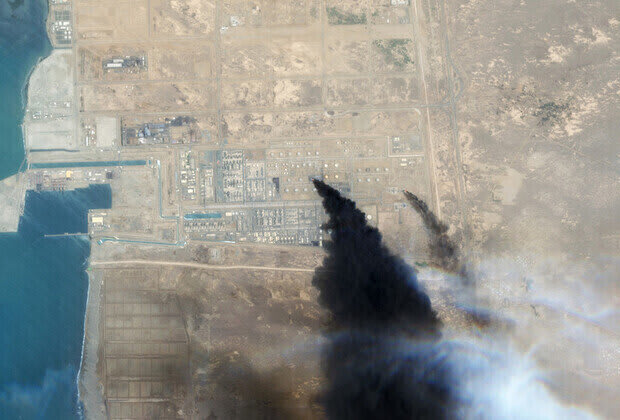
West Texas Intermediate crude jumped above $103 a barrel while Brent climbed above $107, according to CNBC and Reuters. The spike came after Saudi Arabia was forced to close its East-West pipeline, which had been moving roughly 4 million barrels a day — about 4% of global supply — to the Red Sea port of Yanbu, routing oil around the contested Strait of Hormuz. Drone attacks launched from Iraq's Maysan province damaged the pipeline on Friday, and Riyadh has not disclosed how long repairs will take.cnbc+2
A planned meeting in Oman between Iran and Gulf Arab states, originally scheduled for Monday to discuss reopening the Strait of Hormuz, was abruptly postponed after the pipeline attack. The delay removes what markets had viewed as a possible step toward easing shipping disruptions through the strait, which normally carries close to a fifth of global oil and liquefied natural gas shipments.investinglive+2
Separately, Yemen's Houthi group secured a position along the Bab el-Mandeb strait and attacked additional Saudi targets over the weekend, according to Reuters. A vessel was also struck in the Strait of Hormuz on Sunday, the UK Maritime Trade Operations agency reported. With both the Hormuz and Bab el-Mandeb shipping routes under threat, analysts warned oil prices could remain elevated for a prolonged period.reuters+2
The oil rally added urgency to an already tense week for markets. U.S. crude broke above $100 per barrel last week for the first time since May, and Brent gained almost 9% over the same period. Higher energy costs feed directly into the inflation data the Federal Reserve is weighing ahead of its September 15–16 meeting.reuters+1
An above-expectations consumer price report on Friday pushed markets to price in an 86% chance the Fed will raise interest rates by 25 basis points on Wednesday — its first hike since mid-2023. "We now expect the Fed to hike twice this year, in September and December," said Michael Feroli, chief U.S. economist at JPMorgan . "At this stage, failing to back up words with action could put the credibility of the institution at risk."cnbc+1
S&P 500 futures fell about 0.5% on Sunday evening, while Nasdaq 100 futures dropped 1.2%, with the heavier tech selling also reflecting weekend calls from AI industry leaders to slow the pace of development. In Asia, Japan's Nikkei 225 fell 1.7% and South Korea's Kospi dropped 3.3%. Gold slipped 0.3%, suggesting the selloff was driven more by rate-hike anxiety and sector-specific concerns than a broad flight to safety.techi+2