Newsletter Subscribe
Enter your email address below and subscribe to our newsletter
[forminator_form id="25163"]

All voices matter
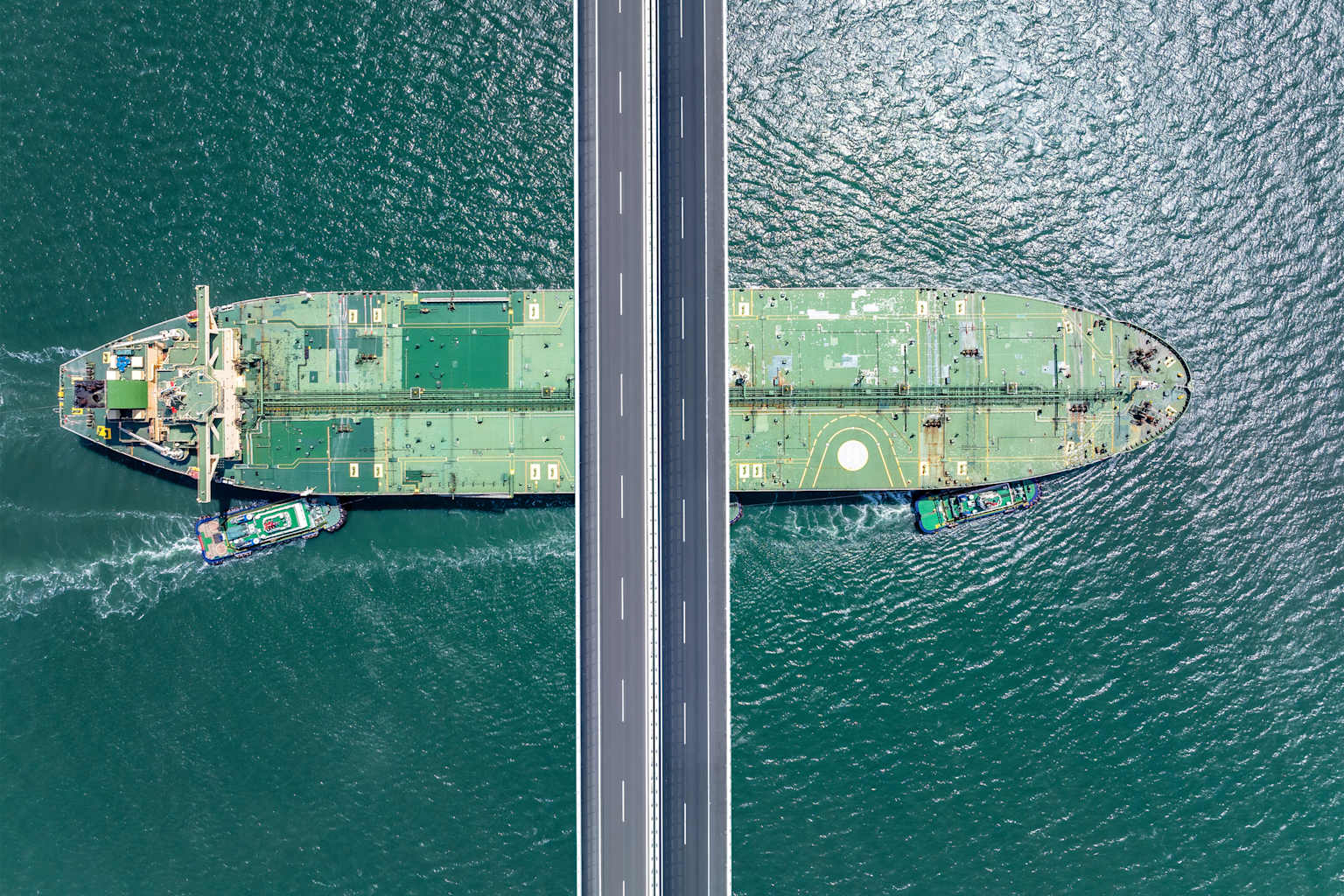
The Edge Malaysia+1BOE Report+1الشرق الأوسط+1Oil prices surged to their highest level in nearly six weeks on Wednesday, July 22, with Brent crude briefly topping $95 a barrel as escalating U.S.-Iran hostilities and a new Houthi blockade of Saudi Arabia threatened two of the world's most critical shipping chokepoints simultaneously.
Brent crude futures hit a session high of $95.47 before settling around $94 a barrel, while U.S. West Texas Intermediate crude also climbed sharply. The rally came as markets digested the convergence of two threats: ongoing U.S. strikes against Iran targeting its ability to disrupt traffic in the Strait of Hormuz, and a Houthi-declared maritime blockade against Saudi Arabia in the Red Sea.The Edge Malaysia+1
The Houthis announced a complete maritime embargo against Saudi Arabia on July 20, with military spokesman Yahya Saree describing the action as "an eye for an eye" in retaliation for what the group called years of Saudi blockade against Yemen. Deputy Houthi media chief Nasruddin Amer said on X that the Bab al-Mandeb strait would be closed to the Saudis.The Washington Times+1
The threat proved immediately disruptive. Ship-tracking data showed at least four tankers changed course in the Red Sea on Wednesday, with two signaling the Suez Canal as their new destination after Houthi warnings. Two Saudi-crude tankers bound for Asia reversed from the Bab el-Mandeb, exposing delivery windows for cargoes heading to India and China.The DeepDraft+2
U.S. Central Command completed its latest wave of strikes against Iran on July 15, hitting dozens of military targets including coastal surveillance sites, air defense systems, and maritime capabilities in what was described as the sixth consecutive night of strikes. The campaign aims to degrade Iran's ability to target commercial shipping in the Strait of Hormuz.U.S. Central Command+1
President Trump has repeatedly threatened to escalate the campaign to civilian infrastructure. In a Fox News interview in mid-July, he warned that the U.S. would "knock out all their power plants" and "knock out all their bridges" unless Iran returns to the negotiating table.1lurer.am+1
Analysts have warned for months that prolonged disruptions could push prices toward triple digits. Goldman Sachs The Goldman Sachs Group, Inc. forecast earlier this year that Brent would remain above $100 through 2026 if the Strait of Hormuz stays blocked, while Barclays raised its price target to $100 per barrel, cautioning that upside risks persist as global inventories fall.الشرق الأوسط+2
With both the Strait of Hormuz and the Bab al-Mandeb now under threat, the oil market faces a scenario in which roughly two chokepoints handling a combined share of global crude flows are simultaneously disrupted — a situation analysts at the Foundation for Defense of Democracies described as a "routing-control problem" for Saudi cargoes, Suez planning, and Asian crude delivery windows.Foundation for Defense of Democracies+1