Newsletter Subscribe
Enter your email address below and subscribe to our newsletter
[forminator_form id="25163"]

All voices matter
pbs+1wikipedia+1reutersOil prices surged more than 3% in early Asian trading on Wednesday after Iran launched a surprise ballistic missile attack on American forces in the Middle East, ending a brief pause in hostilities that had raised hopes of de-escalation between Washington and Tehran.
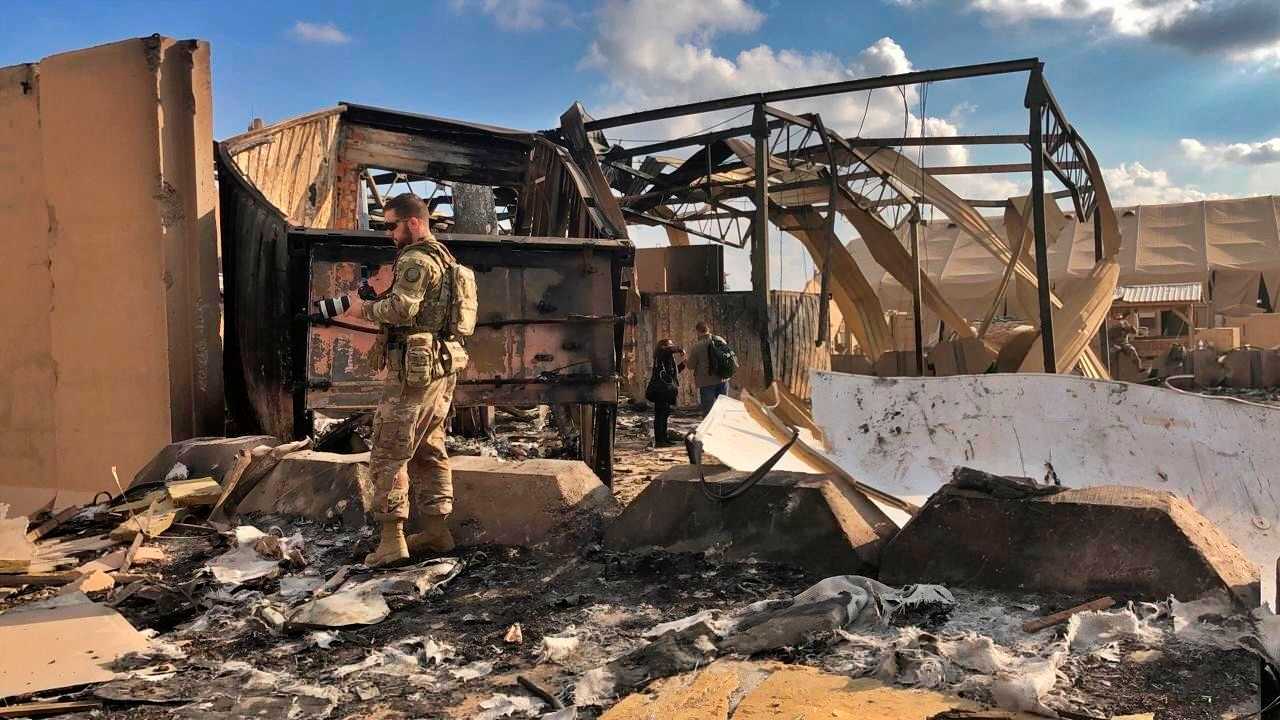
Iran fired multiple ballistic missiles at a U.S. base on Tuesday evening, U.S. Central Command said in a statement, adding that all missiles were successfully intercepted. The attack came at 5:45 p.m. local time, according to The Hill, and shattered what had been a several-day pause in fighting after the U.S. ceased overnight strikes against Iran on July 25 following 13 consecutive nights of attacks.pbs+2
The renewed hostilities reversed sharp losses from earlier in Tuesday's session, when optimism over the pause had driven Brent crude down about 5% to a two-week low. Brent futures settled at $84.09 a barrel on Tuesday before the after-hours reversal. According to CNBC, Brent crude climbed to $86.97 and West Texas Intermediate rose to $82.09 as traders digested the news overnight. European natural gas also jumped over 3% on concerns about prolonged supply disruptions ahead of the winter heating season.reuters
The spike in energy prices was compounded by QatarEnergy's decision to extend its force majeure on liquefied natural gas shipments. Reuters reported on July 23 that QatarEnergy had extended the force majeure and chartered out tankers into October, while Bloomberg reported the company was preparing to push the declaration through mid-October. Qatar halted all LNG production in early March 2026 citing the security environment in the Persian Gulf region.egyptoil-gas+2
The U.S.-Iran conflict has roiled energy markets since it began on February 28, 2026, when American and Israeli forces launched nearly 900 strikes against Iranian targets. Oil prices spiked to $118.35 per barrel in late March before falling back as markets adjusted, only to climb again as fighting escalated around the Strait of Hormuz in July. The latest Iranian attack raises fresh questions about whether diplomatic off-ramps exist, with President Trump having only recently paused plans for further escalation.wikipedia+2
CENTCOM said U.S. forces "remain vigilant and at a heightened state of readiness".pbs