Newsletter Subscribe
Enter your email address below and subscribe to our newsletter
[forminator_form id="25163"]

All voices matter
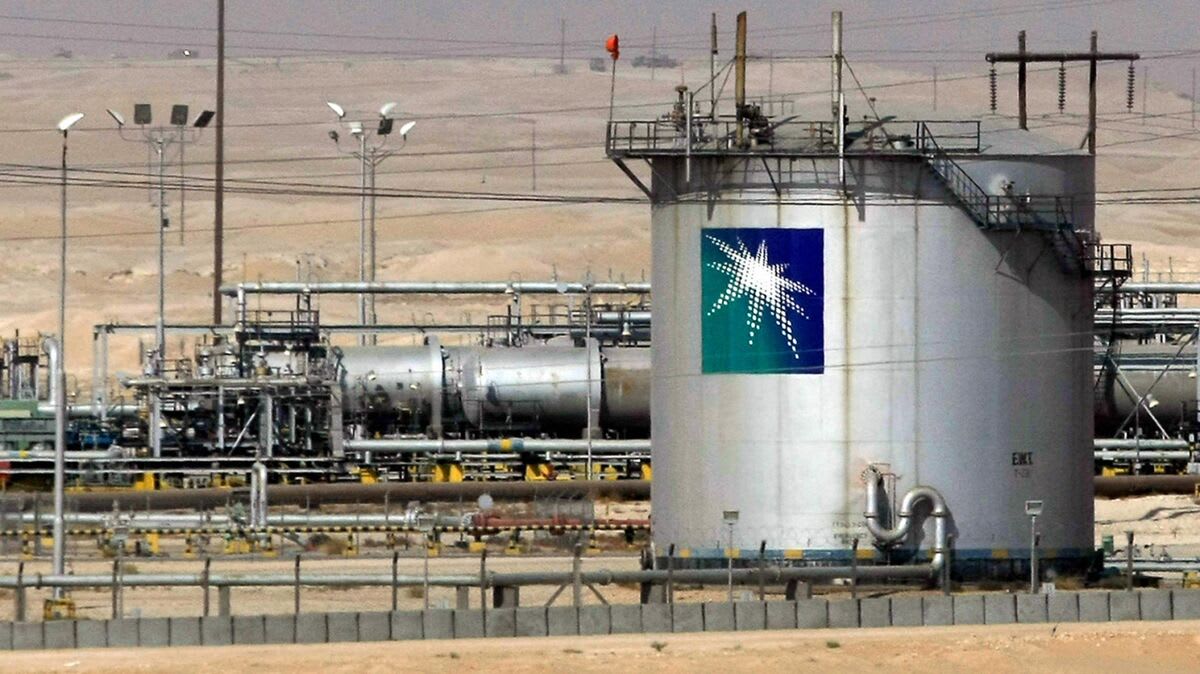
reutersenergynowcnbc+1Crude oil prices sank to their lowest levels since before the U.S.-Iran war on Monday as a trio of bearish forces converged: OPEC+ agreed to another production increase, shipping through the Strait of Hormuz continued to normalize, and Saudi Arabia slashed its official selling prices by a record amount.
Brent crude hovered near $72 a barrel while West Texas Intermediate traded around $68.56, according to CNBC, levels not seen since early March before the conflict sent prices spiraling higher.cnbc+1
OPEC+ agreed on Sunday to raise output targets by 188,000 barrels per day starting in August, the third consecutive monthly increase of that magnitude, according to Reuters. The decision adds to an already loosening market as Gulf oil exports jumped more than 3 million barrels from May to exceed 10 million barrels per day in June, though volumes remain well below pre-war levels.reuters+1
The production hike comes as Russian crude exports from western ports hit record levels in June, with volumes expected to remain elevated in July as Ukrainian drone strikes on refineries force Moscow to divert crude to export markets.cnbc
Saudi Aramco set its August official selling price for Arab Light crude to Asia at a $1.50-per-barrel discount to the Oman/Dubai average — an $11 cut from the previous month and the largest reduction in more than two decades, according to Reuters data going back to 2003. The price marks the lowest level since June 2020 and compares with a premium of $9.50 in July.energynow
The cut exceeded forecasts from a late-June Reuters survey that had anticipated a premium of $1.50 to $3.00, with spot crude markets deteriorating further as Gulf producers ramped up supplies.reuters+1
The combined effect has erased much of the war premium that drove Brent to $126 a barrel in late April, its highest price in four years. Since a U.S.-Iran memorandum of understanding was signed on June 15 to reopen the Strait of Hormuz, Brent fell roughly 21% in June alone — its largest monthly decline since March 2020.reuters+2
JPMorgan revised its second-half 2026 Brent forecast downward in late June, projecting an average of $86 per barrel in the third quarter and $80 in the fourth quarter, with prices exiting the year at $78. The bank had maintained a longer-term structural view of $60 Brent for 2026 before the war disrupted markets.reuters+3
Analysts at ING noted that while inbound tanker traffic to the Persian Gulf has picked up, shipowners remain cautious following exchanges of fire between U.S. and Iranian forces as recently as late June.cnbc+1