Newsletter Subscribe
Enter your email address below and subscribe to our newsletter
[forminator_form id="25163"]

All voices matter
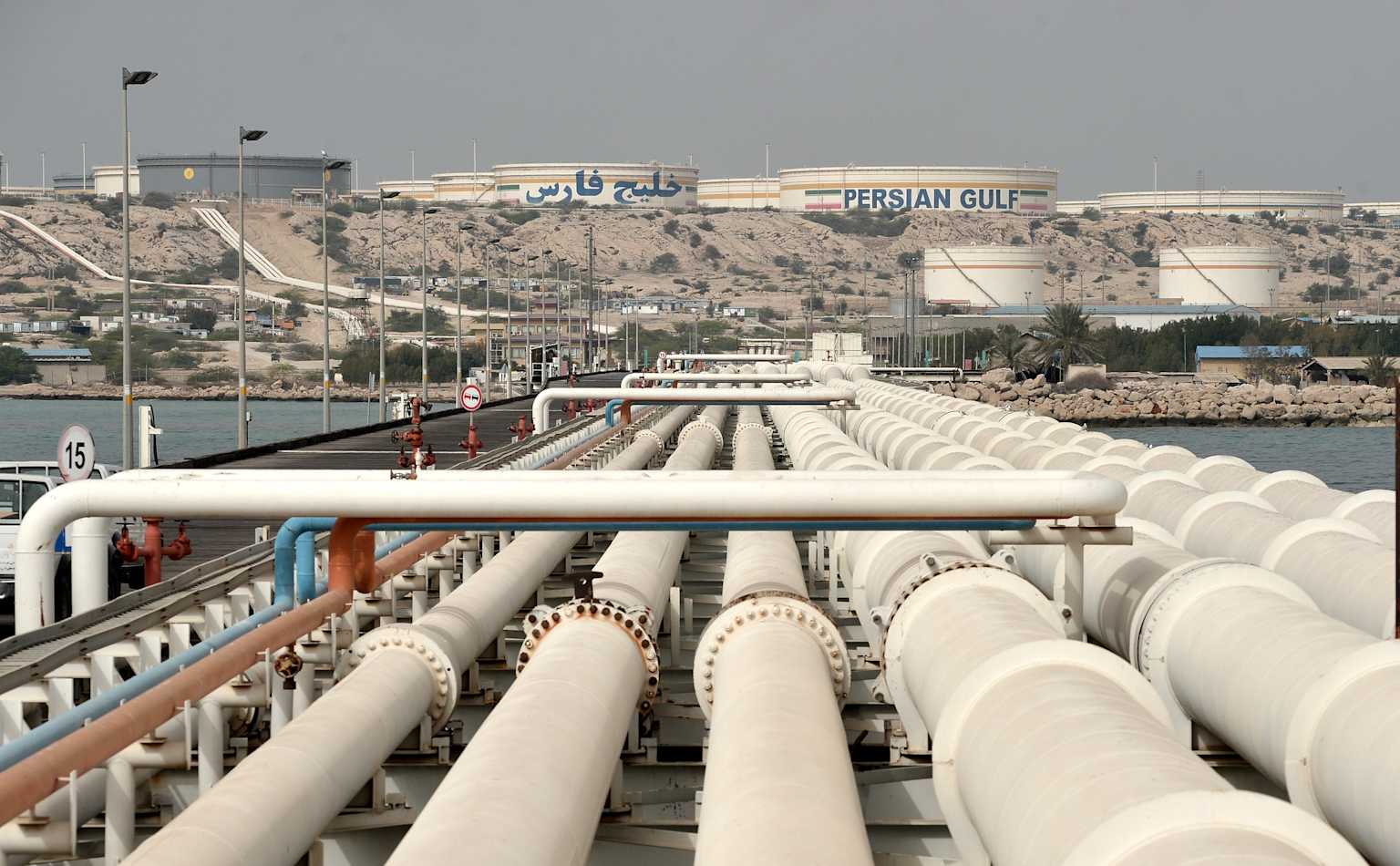
reuters+1energynow+1aljazeeraCrude oil prices climbed for a fourth straight session this week as renewed military clashes between the United States and Iran raised fresh concerns about supply disruptions through the Strait of Hormuz, erasing a brief period of calm that had brought prices back toward pre-war levels.
Brent crude, the international benchmark, topped $85 a barrel on Tuesday — its highest in a month — after the U.S. launched new airstrikes against Iranian military installations along the coast, according to Reuters . West Texas Intermediate crude briefly crossed $80 per barrel during the session. Prices pulled back modestly on Wednesday as the market digested the rapidly shifting situation.tradingeconomics+4
The rally reflects growing alarm that a recovery in Persian Gulf oil flows is unraveling. Goldman Sachs The Goldman Sachs Group, Inc. said in a note on Tuesday that Gulf exports had slipped back below 50% of pre-war levels over the past week, equivalent to roughly 11 million barrels per day, after briefly recovering above 80% following a U.S.-Iran memorandum of understanding signed in June. The bank estimated the net disruption to Persian Gulf flows doubled over the past week to 13.4 million bpd.energynow+1
The escalation followed President Trump's declaration that the ceasefire was "over" and his order to reimpose a naval blockade on all Iranian ports. Iran's Revolutionary Guard responded by attacking tankers transiting the strait, and the United Arab Emirates' state oil company ADNOC reported two of its tankers were struck by projectiles, killing one mariner.cnbc+1
Goldman cautioned that any further recovery in exports is "likely to be uneven" and said its reimposed U.S. blockade could cut Iranian exports by an additional 1.5 million to 2 million bpd. The bank flagged upside risk that Brent could exceed $110 in the fourth quarter if the export recovery stalls.energynow
Adding to the bullish case, U.S. crude inventories fell by 1.69 million barrels in the week ending July 10, according to the Energy Information Administration's weekly report released Tuesday. The draw was smaller than analysts' expectations for a 2.594 million barrel decline, but it marked another week of shrinking domestic stockpiles.tradingeconomics+2
The International Energy Agency warned in its July report that while the global market could swing to surplus later this year, that forecast "hinges on the assumption that tanker flows through the Strait will gradually recover," adding that renewed hostilities "highlight the risks of not reaching a lasting peace agreement".iea
The Treasury Department has also revoked a 60-day sanctions waiver on Iranian oil, with all new transactions prohibited after 12:01 a.m. EDT on July 17 — further tightening the supply picture heading into the second half of the year.aljazeera