Newsletter Subscribe
Enter your email address below and subscribe to our newsletter
[forminator_form id="25163"]

All voices matter
cnbc+1reutersenergy-pedia+1Oil prices held onto gains on Thursday as renewed US-Iran hostilities and disruptions to Kazakh crude exports kept global supply concerns front and center, even as Shell reported stronger-than-expected quarterly earnings buoyed by elevated crude prices.
Energy markets whipsawed this week after a brief pause in hostilities between the United States and Iran gave way to fresh attacks. Iran's Islamic Revolutionary Guard Corps launched ballistic missiles at U.S. forces in the Middle East earlier in the week, prompting retaliatory strikes by U.S. and Saudi forces on targets in eastern Iraq linked to Tehran-backed militants, according to U.S. Central Command. The resumption of fighting reversed a sharp selloff that saw Brent crude fall more than 8% on July 27 when the pause raised hopes of a diplomatic off-ramp.reuters+1
By Tuesday, Brent had jumped back above the mid-$80s range as traders repriced the risk of prolonged disruption to shipping through the Strait of Hormuz. The conflict has also spread beyond the Persian Gulf, with Yemen's Houthi rebels declaring a naval blockade of Saudi Arabian ports in the Red Sea and claiming attacks on Saudi oil tankers and coastal infrastructure. Saudi-backed forces have responded with retaliatory strikes on Houthi positions.cnbc+2
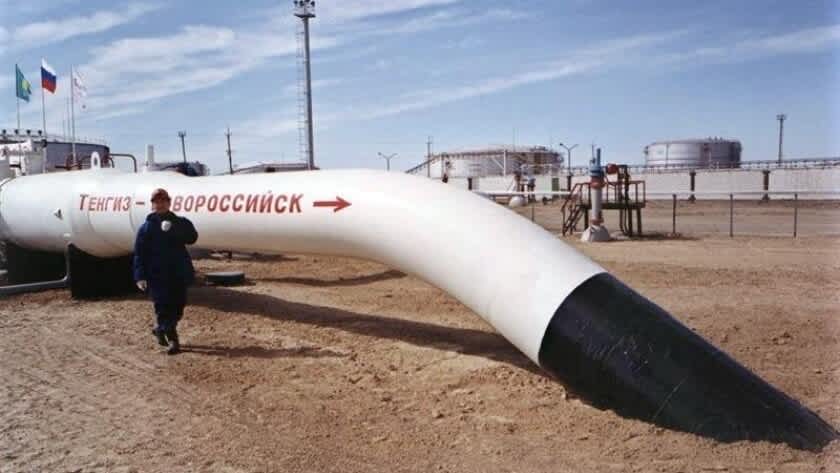
Compounding the Middle East turmoil, Kazakhstan — one of the world's ten largest oil producers — saw daily output more than halve after the Caspian Pipeline Consortium suspended loading operations at its Black Sea terminal near Novorossiysk, Russia, Reuters reported. Drone attacks linked to the Ukraine conflict disrupted tanker traffic in the area, forcing Kazakhstan's production down to roughly 1 million barrels per day from an average of 2.16 million bpd in June.reuters+1
Against this backdrop, Shell reported second-quarter 2026 adjusted earnings of $9.8 billion on Thursday, beating analyst expectations and reflecting what the company called "strong operational performance across the businesses despite Middle East outages". Shell also announced a $3 billion share buyback programme. The results underscore how prolonged geopolitical disruption has flowed through to record-level profitability for major integrated oil companies, even as consumers and central banks grapple with the inflationary consequences of sustained high energy prices.energy-pedia+3