Newsletter Subscribe
Enter your email address below and subscribe to our newsletter
[forminator_form id="25163"]

All voices matter
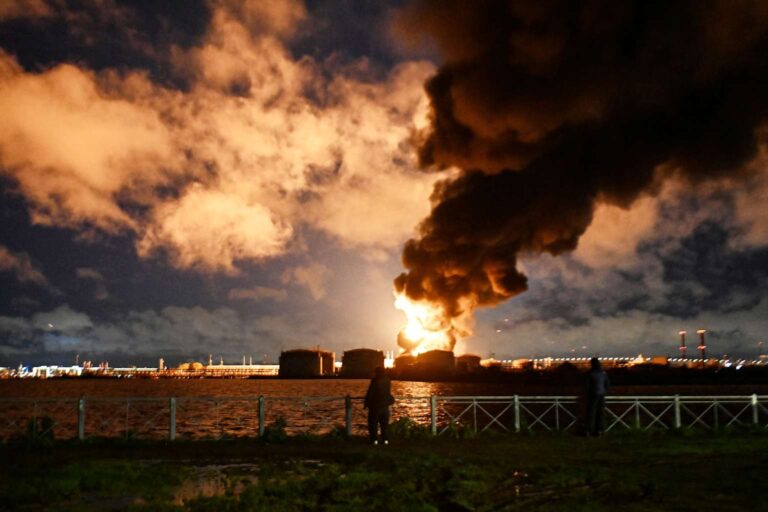
reuters.com.reuters.com.energyconnects.com+1.Oil prices fell for a second straight session on Tuesday, November 10, after President Donald Trump said the U.S. would hold off on new military strikes against Iran. His comments eased fears of prolonged supply disruptions in the Middle East. Both Brent and U.S. West Texas Intermediate futures fell in Asian trading, adding to Monday's steep losses, Reuters reported.reuters.com
The decline extends a sharp correction. On Monday, Brent settled down 5.85% at $92.57 a barrel, and WTI settled down 4.38% at $86.85, according to The Business Times. Brent has dropped about 22% from its six-month peak of $118 on October 30, 3News reported.3news.com+1
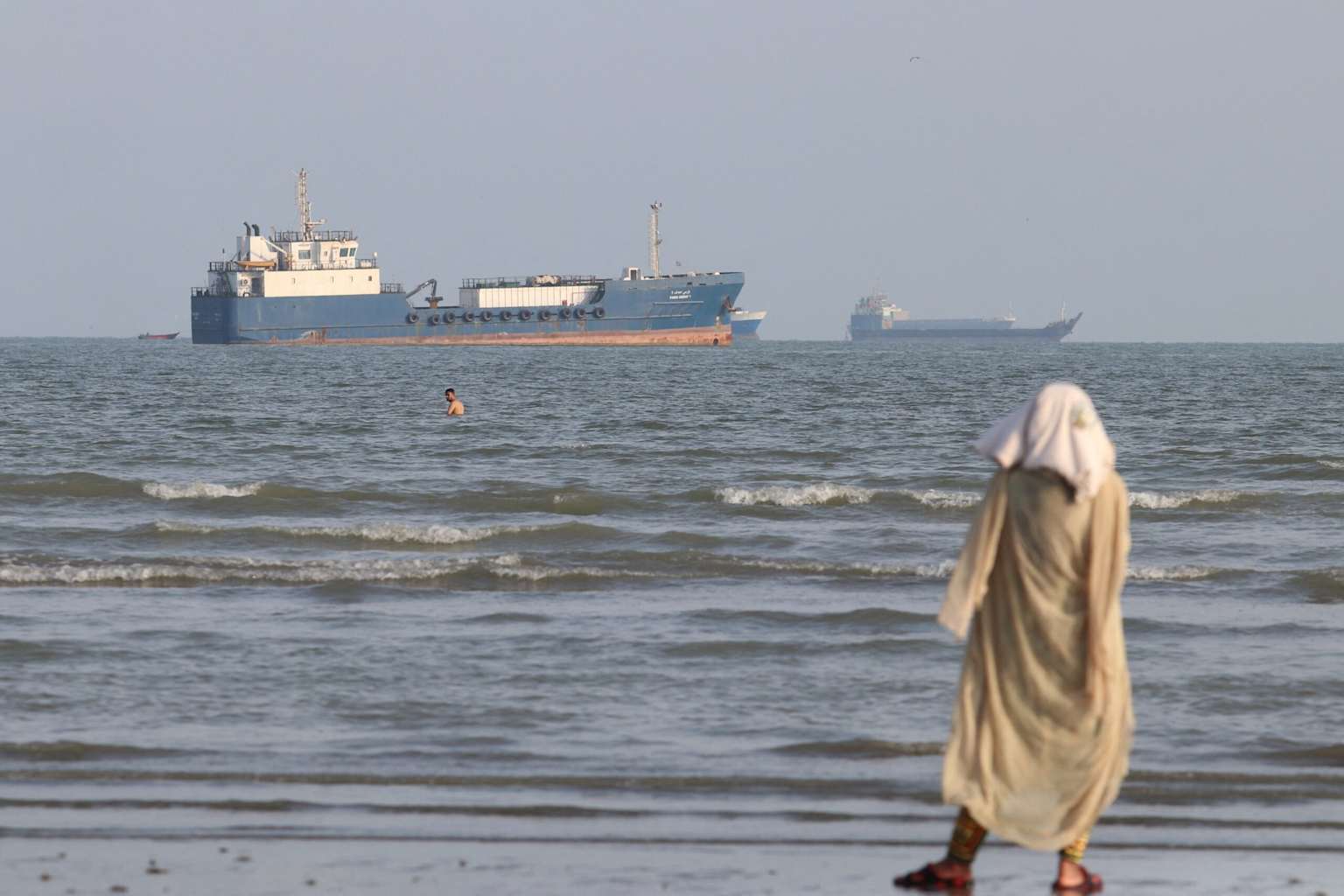
Trump said Monday he would delay further strikes "at this point" after regional countries appealed for restraint, including Qatar's prime minister during talks at the White House. He added that the U.S. naval blockade in the Strait of Hormuz would stay in place for now, according to Reuters. "Iran, militarily, is effectively over," Trump told reporters, while also saying the U.S. remains "locked and loaded," Bloomberg reported via Energy Connects.energyconnects.com+1
His remarks built on a phone interview with CNN on Sunday. Asked about new strikes, he said it "depends on whether or not they sign a very strong agreement," and added, "The answer is, highly unlikely it's going to be necessary," according to Asharq Al-Awsat.english.aawsat.com
Hopes for an end to the war, now in its ninth month, have grown since the U.S. midterm elections. Congressional Democrats are considering whether to use a December 11 government shutdown deadline to push Trump to wind down the conflict, Bloomberg reported. "The midterm results have significantly narrowed Trump's options for a large-scale, long-term military operation against Iran," said Takahiro Asaoka of Itochu Research Institute. He expects Brent to stay above $85 without a deal.energyconnects.com
Talks have not produced a breakthrough. Tehran wants the blockade and sanctions lifted, and Washington wants Iran to stop attacking ships in Hormuz and make nuclear concessions. Secretary of State Marco Rubio played down the chances of a quick deal, and Saudi Arabia's East-West pipeline was targeted on Monday, Bloomberg reported. Iran has also rejected U.S. claims of progress in the negotiations, AGBI noted.agbi.com+1
Supply is also weighing on prices, since OPEC output rose in October, led by Saudi Arabia, Kuwait and Iraq. Eurasia Group analyst Gregory Brew warned that "risks to shipping remain high, as Iran continues to attack vessels transiting the Strait of Hormuz," Reuters reported. This week, traders will watch monthly reports from the U.S. Energy Information Administration on Tuesday, OPEC on Wednesday and the International Energy Agency on Friday.reuters.com