Newsletter Subscribe
Enter your email address below and subscribe to our newsletter
[forminator_form id="25163"]

All voices matter
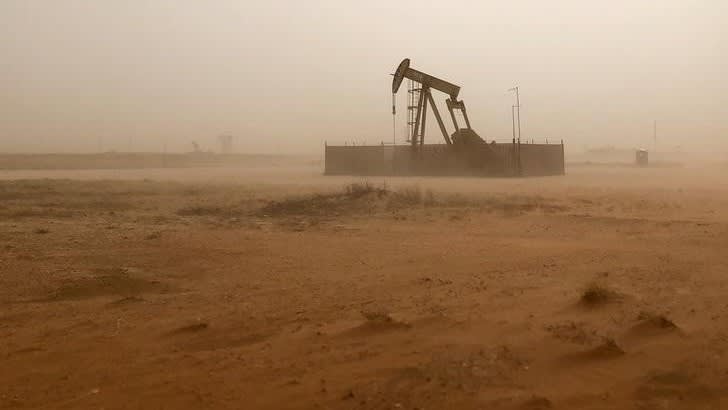
cnbc+1investing+1investing+1Oil prices retreated on Wednesday after the American Petroleum Institute reported that U.S. crude inventories rose by 7.14 million barrels in the week ending September 11, confounding analyst expectations for a draw of roughly 1.6 to 1.8 million barrels. The surprise build — following a modest 300,000-barrel decline the prior week — temporarily eased pressure on a market that had rallied sharply in recent weeks on Middle East supply fears.cnbc+2
Brent crude futures dropped about 1% while West Texas Intermediate futures fell more steeply, pulling back from multi-month highs reached on Tuesday. Gasoline inventories also rose by 1.46 million barrels, and distillate stocks gained 1.61 million barrels, according to the API data.oilprice+2
The API figures are a preliminary, private estimate. The U.S. Energy Information Administration is scheduled to release official government inventory data at 10:30 a.m. ET on Wednesday, which will serve as the confirmation point. Despite the headline build, inventories at the Cushing, Oklahoma delivery hub — the pricing point for WTI futures — fell by 246,000 barrels, extending a weeks-long decline.oilprice+1
Commercial crude inventories excluding the Strategic Petroleum Reserve have dropped by more than 41 million barrels over the past 22 weeks. The SPR itself shrank by another 400,000 barrels during the reporting period, bringing reserves to roughly 285 million barrels — approaching the 250-to-300-million-barrel range that is considered the operational minimum.investing+2
Deeper declines were held in check by ongoing supply risks in the Middle East. Saudi Arabia suspended crude loadings at its Yanbu port after shutting the East-West pipeline following drone attacks by Yemen's Iran-aligned Houthis. The pipeline had been rerouting roughly 4 million barrels per day — about 4% of global supply — to the Red Sea, bypassing the contested Strait of Hormuz.fxstreet+2
U.S. Energy Secretary Chris Wright said Tuesday that the closure would be "a brief interruption that will last days," while Andy Lipow, president of Lipow Oil Associates, offered a starkly different assessment: "Judging from the on-line pictures, it will take months to repair".cnbc+1
Analysts at Rabobank warned that the disruption is unfolding against a fragile backdrop, noting that "the new disruption comes as crude inventories continue to decline globally and SPRs are beginning to hit worrisome levels". A report released Tuesday by the Congressional Budget Office estimated the U.S. war with Iran has cost the Pentagon $38.1 billion through August 1, with an additional $2 billion to $3 billion for each further month of fighting.fxstreet+1
Markets now await both the EIA's official inventory report and the outcome of a Federal Reserve meeting later Wednesday, where the central bank is widely expected to raise interest rates.investing