Newsletter Subscribe
Enter your email address below and subscribe to our newsletter
[forminator_form id="25163"]

All voices matter
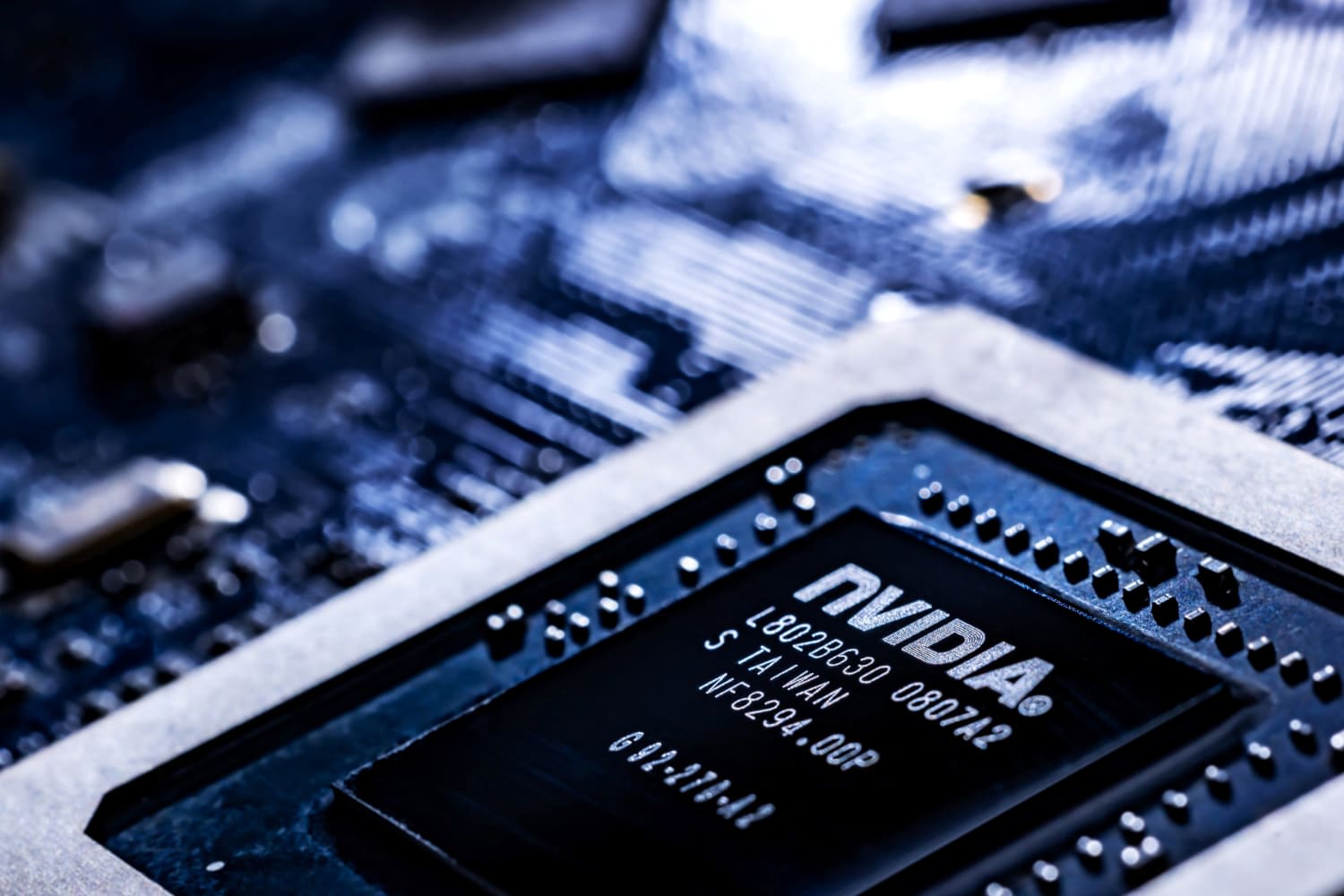
ft+1reuters+1ft+1Nvidia has more than halved the number of Asian customers authorized to purchase its AI chips, creating a new "white list" of companies that have passed tougher compliance checks designed to prevent advanced processors from reaching China, the Financial Times reported on Monday.wmbdradio+1
Over the past few months, the chipmaker has intensified due diligence in Singapore, Malaysia, and Japan, according to three people familiar with the matter cited by the Financial Times. Under the renewed review, over half of Nvidia's previous customers — especially neo-cloud providers — were excluded from the approved buyer list. Companies that failed the initial review can make changes and reapply.reuters+3
The move comes after the U.S. Commerce Department issued guidance in May aimed at curbing advanced AI chips from reaching overseas subsidiaries of Chinese companies. That guidance clarified that licensing requirements for exporting advanced chips apply to all enterprises with a parent company or headquarters in China, even when those entities operate outside Chinese borders. Concerns had mounted that Nvidia's cutting-edge Blackwell processors may have been exported to Chinese-linked entities in countries such as Malaysia despite U.S. restrictions.wmbdradio+2
Washington's export control regime has tightened steadily since 2022. The previous administration introduced the AI Diffusion Rule, creating a three-tier framework categorizing countries by their access to U.S. AI technologies. Tier 2 countries — including Singapore, Malaysia, and India — face tighter controls requiring individual licenses or validated end-user authorization for advanced chip access. Although President Trump rescinded the broader diffusion framework, the Commerce Department's Bureau of Industry and Security confirmed in May that restrictions on Chinese-owned entities remained in force regardless of location.asiatimes+2
Industry estimates suggest hundreds of thousands of chips may have reached Chinese subsidiaries during a period when the loophole persisted. Nvidia's decision to self-impose stricter customer screening reflects the company's effort to stay ahead of regulatory enforcement while preserving access to markets where demand for AI computing infrastructure continues to surge.reuters