


Newsletter Subscribe
Enter your email address below and subscribe to our newsletter
[forminator_form id="25163"]

All voices matter
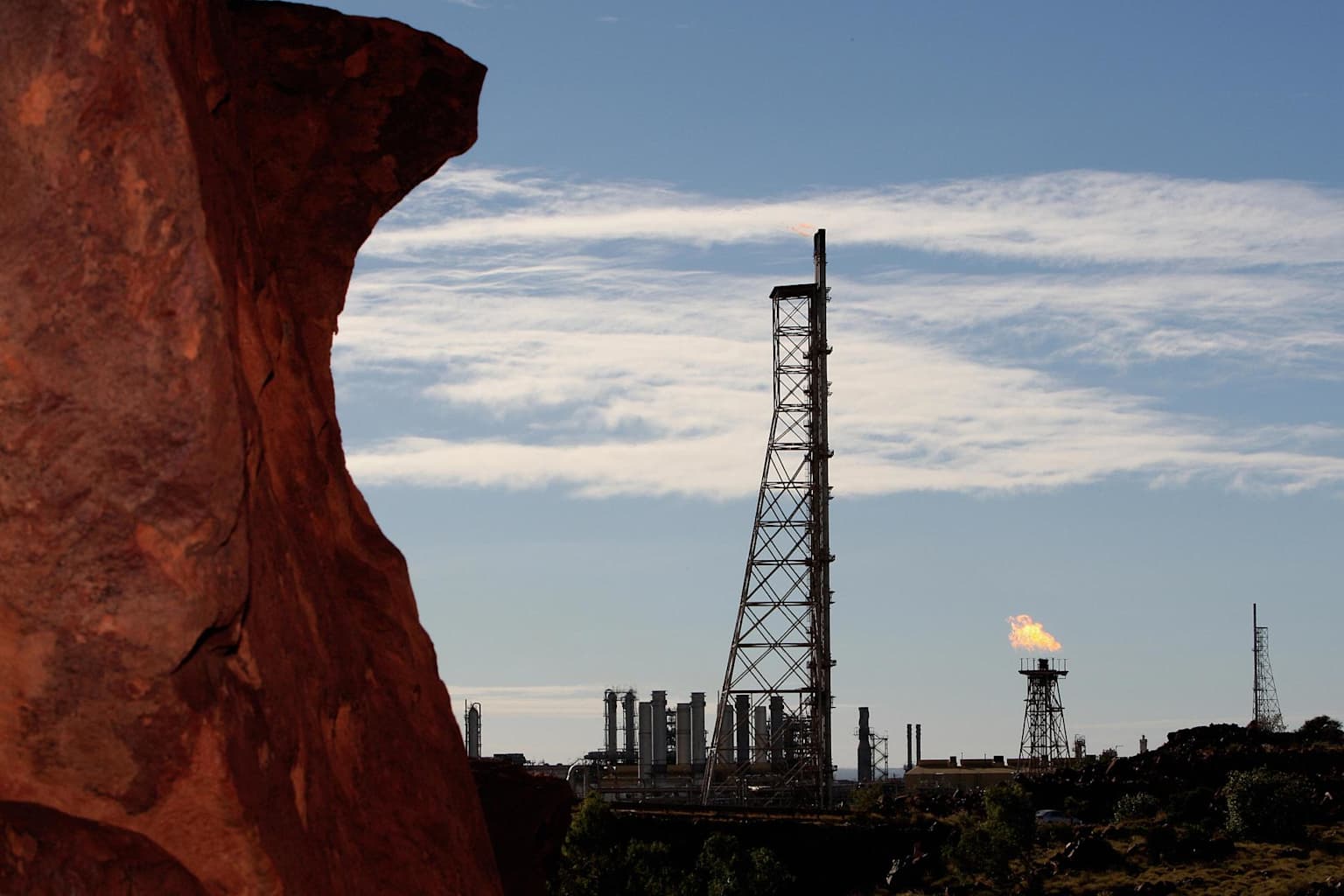
reddit+2.reddit+2.sbs+1.youtube+1.sbs+1.The Murujuga Cultural Landscape in Western Australia, home to over a million ancient Aboriginal petroglyphs dating back as far as 50,000 years, has been granted UNESCO World Heritage status following a unanimous vote by the 21 member states, marking a significant victory for Indigenous custodians who have campaigned for decades to secure global recognition for this culturally significant site.
The Murujuga rock art collection represents one of humanity's oldest continuous artistic traditions, with some petroglyphs estimated to be between 40,000 and 50,000 years old. This remarkable age makes the site older than France's Grotte Chavet-Pont d'Arc, which had previously been recognized as the world's oldest rock art. Among its most significant treasures is the world's oldest known depiction of a human face, providing an unprecedented window into ancient human expression.unmonumental.substack+2
The petroglyphs offer extraordinary insights into Australia's prehistoric past, featuring extinct megafauna such as the spotted giant flat-tailed kangaroo (Procoptodon sp) that disappeared 30,000 years ago, as well as the Tasmanian devil (Sarcophilus harrisii) and Tasmanian Tiger (Thylacinus cynocephalus), which vanished from mainland Australia approximately 2,000 years ago. Unlike European cave art that represents isolated periods of activity, Murujuga is exceptional for showing continuous cultural use over tens of thousands of years, with Indigenous Australians adding to the collection until European settlement. This unbroken connection means contemporary Aboriginal custodians still maintain the memory and spiritual connection to these ancient works.reddit+1
The Murujuga rock art contains what is believed to be the world's oldest known depiction of a human face, carved approximately 35,000 years ago. This remarkable achievement in human artistic expression predates other famous ancient monuments like Stonehenge and the Pyramids of Giza by tens of thousands of years. The face represents not just an artistic milestone but also provides a direct connection to the ancient Aboriginal inhabitants who created these works, offering a rare glimpse into early human self-representation.prindleinstitute+2
The significance of this ancient face extends beyond its age – it stands as a testament to the sophisticated cultural and spiritual practices of Australia's First Nations people, who maintained an unbroken artistic tradition in this region for millennia. As part of the broader Murujuga cultural landscape containing over one million petroglyphs across nearly 100,000 hectares, this face exists within one of the richest and oldest continuous cultural landscapes on Earth. Despite its immense cultural and historical value, this irreplaceable artwork faces ongoing threats from industrial development and emissions from nearby petrochemical facilities, which scientists warn may be accelerating the degradation of these ancient carvings.unmonumental.substack+2
The Pilbara region spans approximately 502,000-507,896 square kilometers in northwestern Western Australia, positioned at coordinates 21°S 119°E. Located about 1,200 kilometers north of Perth and 850 kilometers south of Broome, this vast area extends from the Indian Ocean coast to the Northern Territory border. The region is divided into three distinct geographic zones: the western Roebourne coastal sandplain where most of the population resides, the central uplands featuring the Hamersley and Chichester Ranges, and the eastern desert section which is sparsely populated by Aboriginal communities.wikipedia+3
The Pilbara encompasses four local government areas—Shire of Ashburton, Shire of East Pilbara, City of Karratha, and Town of Port Hedland—with major settlements including Karratha, Port Hedland, and Newman. This remote landscape contains some of Earth's oldest surface rocks in the Pilbara craton, dating back to the Archaean eon over three billion years ago, and is home to two of Australia's largest national parks: Karlamilyi and Karijini.wikipedia+3


