Newsletter Subscribe
Enter your email address below and subscribe to our newsletter
[forminator_form id="25163"]

All voices matter
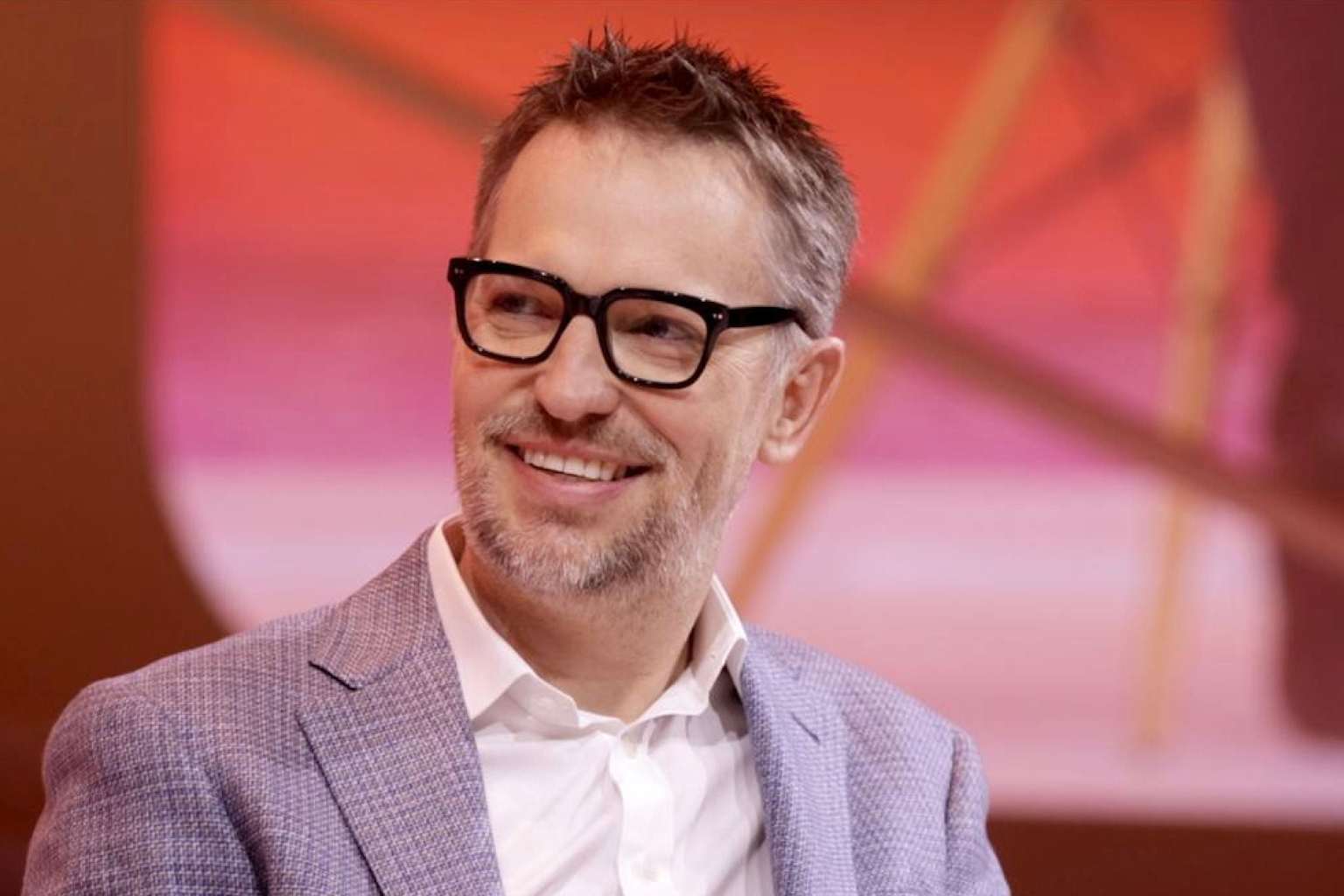
tbreak+1neowinneowin+1Ryan Roslansky, a Microsoft executive vice president who oversees LinkedIn, Office, Teams, Outlook, and Copilot, publicly warned that AI-generated content is creating a "doom loop" in workplaces, where documents written by AI are summarized by AI without producing anything of value.
In a LinkedIn post published on August 31, Roslansky described receiving a document that was "clearly generated by AI," then using AI himself to summarize it — only to find that the exchange produced nothing useful.tbreak+1
"I read it, realized it was all AI, had my AI summarize it and ended up with nothing that brought new thinking to the idea," Roslansky wrote. "This is a doom loop."dev+1
Roslansky cautioned that businesses risk spending money on AI tools simply to avoid the work employees are supposed to do — thinking, writing, and reading. He warned that unchecked use of generative AI could produce "an ocean of sameness, genericness" across workplace communications.neowin+1
"AI slop isn't happening just on social networks … it's happening in the day to day of work," he wrote. The term "AI slop" refers to low-quality, generic content produced quickly with AI tools and distributed with little or no human editing.tbreak+2
Microsoft President Brad Smith endorsed Roslansky's post, according to Windows Central.windowscentral+1
The comments carry an unmistakable irony. Microsoft has spent the past two years integrating its Copilot AI assistant into nearly every product it sells, from Windows and Office to Edge and Teams. The company has encouraged businesses to adopt AI agents and autonomous workflows as part of its vision for the future of work.neowin
Roslansky did not call for abandoning AI. Instead, he argued the technology should help people "do things, learn things, and create things" while preserving their own perspectives and experiences.tbreak+1
Roslansky's remarks follow a pattern of Microsoft executives publicly grappling with the consequences of the company's aggressive AI strategy. In January, CEO Satya Nadella urged people to stop calling AI output "slop," signaling the label had become a reputational concern. Microsoft has also begun offering tools to let users remove AI components from Windows and added AI disclaimers to its productivity apps acknowledging that "AI-generated content may be inaccurate."windowscentral+1
The post has drawn both support and ridicule online, with critics noting that the executive responsible for some of the most AI-saturated products on the market is now lamenting the output they produce.reddit+1