Newsletter Subscribe
Enter your email address below and subscribe to our newsletter
[forminator_form id="25163"]

All voices matter
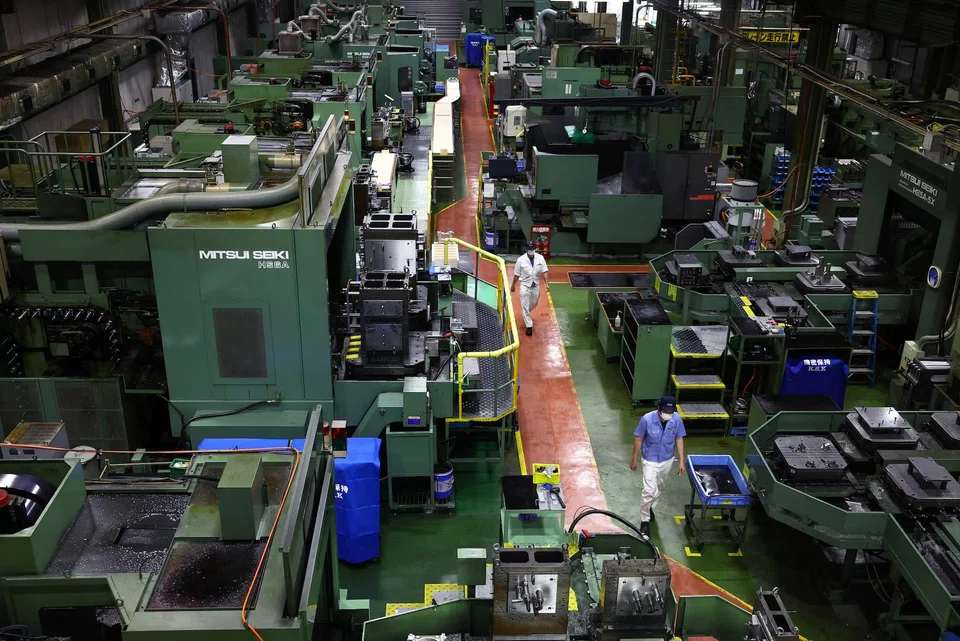
businesstimes+1reutersinvestingliveManufacturing activity across Japan and South Korea accelerated in July, powered by a wave of semiconductor and artificial intelligence-related orders that pushed output in both countries to multi-year highs, according to purchasing managers' surveys released on Monday.
The S&P Global Japan Manufacturing Purchasing Managers' Index came in at 54.5 in July, down marginally from 54.8 in June but marking a seventh consecutive month of expansion. Manufacturing output grew at its quickest rate since February 2014, while new orders rose at the fastest pace since January 2022, with respondents citing strong demand for chips and AI-related manufacturing.businesstimes+1
New export orders expanded at the strongest rate in more than five years, with firms reporting increased orders from Asia and the United States. "Companies often commented that the improvement coincided with greater global demand across the key semiconductors industry, while some firms commented on growth in AI-related areas of manufacturing," said Annabel Fiddes, economics associate director at S&P Global Market Intelligence.nst+1
Purchasing activity expanded at its sharpest pace since April 2022 as firms stockpiled inputs to guard against supply-chain disruption stemming from the Middle East conflict. Input cost inflation eased to its slowest rate since March, though manufacturers continued to cite higher oil and raw materials prices linked to the war.businesstimes+1
South Korea's manufacturing PMI climbed to 53.1 in July from 52.1 in June, staying above the 50-mark for an eighth straight month, according to Reuters. New export orders grew for the first time in three months and at the steepest rate since April 2021, driven by strength in the semiconductor and automotive sectors.reuters
"Both production volumes and new orders rose again, with particular strength seen in the semiconductor and automotive sectors," said Usamah Bhatti, economist at S&P Global Market Intelligence.reuters
The data reinforces the view that Asia's export-driven economies are benefiting from a broadening global technology cycle centered on AI infrastructure buildout. For Japan, the sustained manufacturing strength adds another argument for the Bank of Japan to proceed with further policy normalization, particularly as cost pressures and rising output prices keep upward pressure on inflation. In South Korea, robust growth indicators may reduce pressure on the Bank of Korea to cut interest rates in the near term. Business sentiment among Japanese manufacturers improved to a four-month high, with firms expecting continued demand improvements in semiconductors over the coming year.investinglive+3