Newsletter Subscribe
Enter your email address below and subscribe to our newsletter
[forminator_form id="25163"]

All voices matter

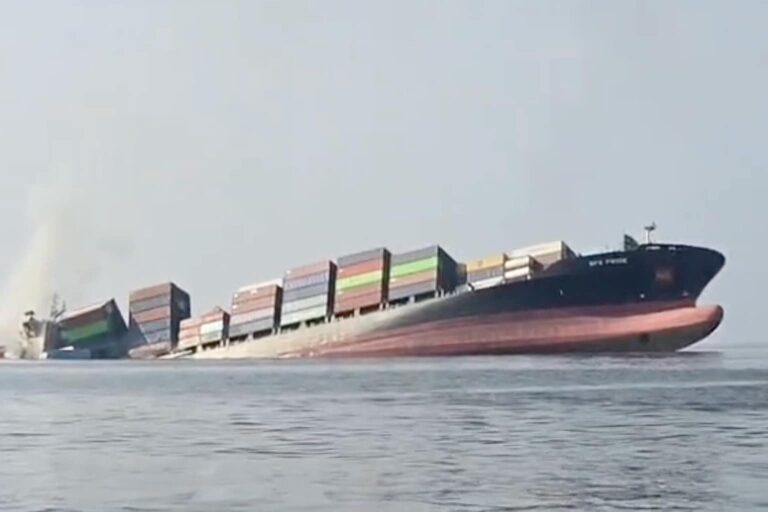
reuters+1.straitstimes.straitstimes.Iran has changed how it attacks ships in and around the Strait of Hormuz. Two senior Iranian officials told Reuters the aim is to keep oil prices high and sway the US midterm elections on November 3. The officials said the strategy covers both the type and the pace of attacks. They said it began about 10 days ago and was approved "at the highest levels" of Iran's leadership.straitstimes+2
"The aim is to frustrate efforts by the United States and its allies to bring down global oil prices," one official said. The second official put it this way: "Just when they think they are getting close to the point where prices will fall, we will push them away from it. This is a game of chess."economictimes+1
The officials said Tehran will push its operations past the strait into the Gulf of Oman and waters farther out. Both said Iran is moving toward a point where no vessel breaking its restrictions can get through. "It will be complete closure soon," one said. Maritime security analysis of incidents reported to United Kingdom Maritime Trade Operations (UKMTO) suggests the expansion may already have started. Ships have recently been targeted off Qatar and the United Arab Emirates.straitstimes
The tactics are new, but the attack data had already been rising. UKMTO warnings recorded 12 attacks on commercial vessels between October 5 and 11. Six of them came on October 11, including strikes near Oman's Sohar anchorage. The Telegraph reported that six ships hit in one day was a record. It also quoted Mohsen Rezaei, secretary of Iran's Supreme National Security Council, telling state TV: "We target five or six of these every night." The Institute for the Study of War said Iran appears to be targeting ships doing ship-to-ship oil transfers and may be improving its anti-ship missile capabilities.iranintl+2
A US military official, speaking anonymously, confirmed one change. US strikes destroyed much of Iran's radar capability, so the Islamic Revolutionary Guard Corps now uses unarmed spotters in small boats to find targets, including US naval vessels. Last week, US forces found spotters calling in targets from a dhow. They ordered the people on board to abandon it and then destroyed the boat. No one was hurt. The official said Iran has been unwilling to risk its remaining fast boats and has not been able to stop oil exports through the strait from ramping up.straitstimes
That rise is now slipping. Kpler data cited by the New York Post shows the seven-day average oil flow through the strait has fallen to 43% below pre-war levels. In September it had come close to normal.nypost
The war began with US and Israeli strikes on February 28 and costs about \$3 billion a month. It has become a campaign issue ahead of the vote that will decide control of Congress. President Donald Trump has said he will not attack Iran again before the election, while the US keeps up its naval blockade of Iranian ports. The Pentagon and Iran's Foreign Ministry did not immediately respond to Reuters' requests for comment.straitstimes